

.webp)

"The Scout" (2025) dir. Paula Andrea Gonzalez-Nasser
Review
In Erige Sehiri’s 2026 drama Promised Sky, Naney (Deborah Lobe Naney), an Ivorian immigrant in Tunisia, delivers one of the film’s most striking lines: “Distance kills love.” She’s looking down at the Mediterranean Sea, the opposite direction from her birth country, where her young daughter still lives. But if distance kills love, what does the opposite create? The Ivorian immigrant women who lead the film are given limited opportunities to find out as the Tunisian government works in the background to detach them from any feeling of belonging. Promised Sky is most effective as an exploration of distance, not only thematically but also in its restrained technique. Yet this same quality also dulls the film in parts, blunting the characters’ interiority and the audience’s ability to engage with their individuality.
Promised Sky follows three women migrants from Côte d’Ivoire: Naney, Jolie (Laetitia Ky), an engineering student, and Marie (Aïssa Maïga), an Evangelical pastor who houses the other two. The film opens with the three women bathing a small child who was separated from her parents on a boat of migrants traveling to North Africa. Each woman is met with xenophobic, racist obstacles that mirror broader global anti-immigrant policies and sentiments, including those of the Trump administration. Jolie’s student visa does not protect her from the authorities and the unexplained, terrifying arrests they make. Naney cannot legally work as she’s repeatedly denied the proper papers. Practicing Christianity is made increasingly difficult in the majority Muslim country, and American politicians even accuse sub-Saharan Africans of eating cats.
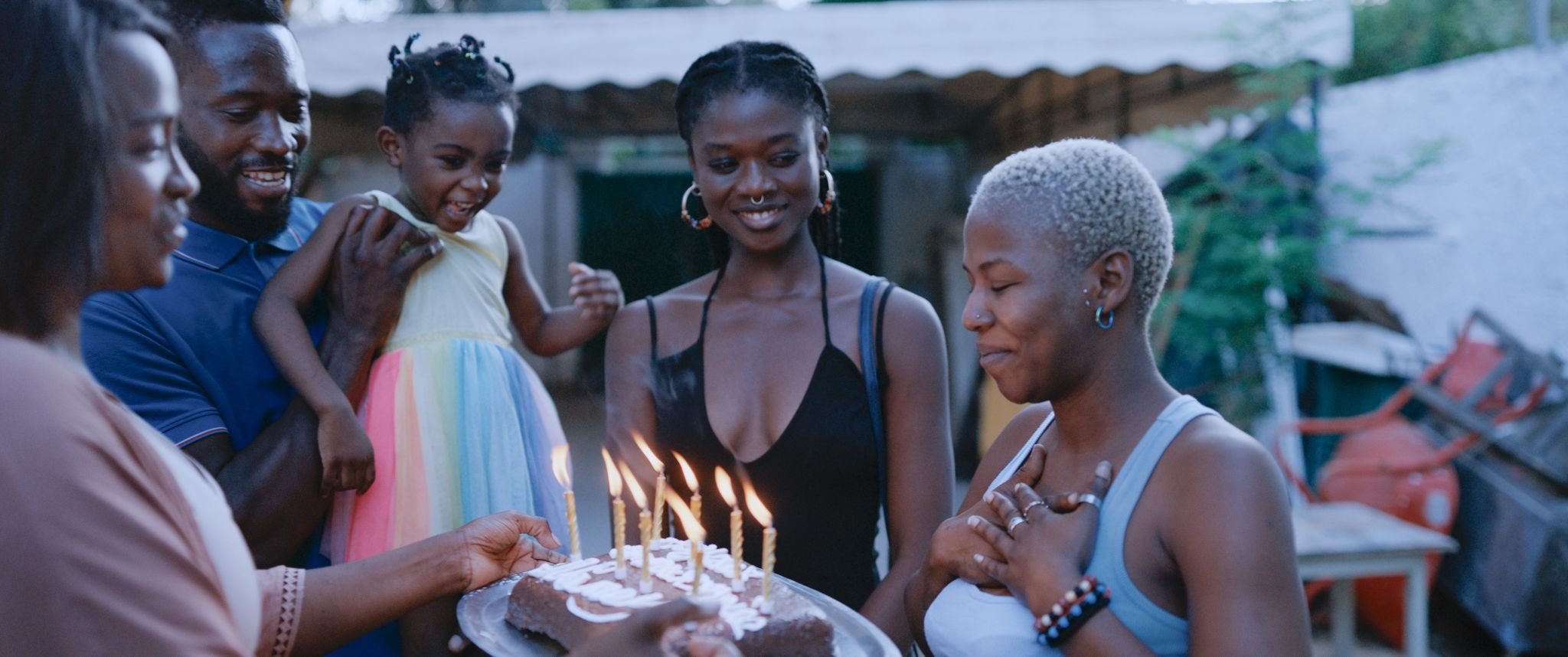
Sehiri allows the audience to experience the political landscape of Tunisia through the eyes of Marie, Jolie, and Naney, as they are met with confusing and ever-changing information. And while never explicitly addressed, the film is especially thought-provoking as an outsider’s glimpse into the end of Tunisian democracy. Tunisia, where the Arab Spring began in 2010, largely fell into autocracy starting in 2021, about when Naney would have traveled there. The film sensitively depicts the distress one would feel when immigrating, full of hope, to an unfamiliar country at a time when hope is scarce for the people already living there. Sehiri immerses the audience in the outsider’s experience, where, like the women of Promised Sky, it is particularly hard to gauge the speed of change happening in Tunisia, the level of danger, or even what the real threats are.
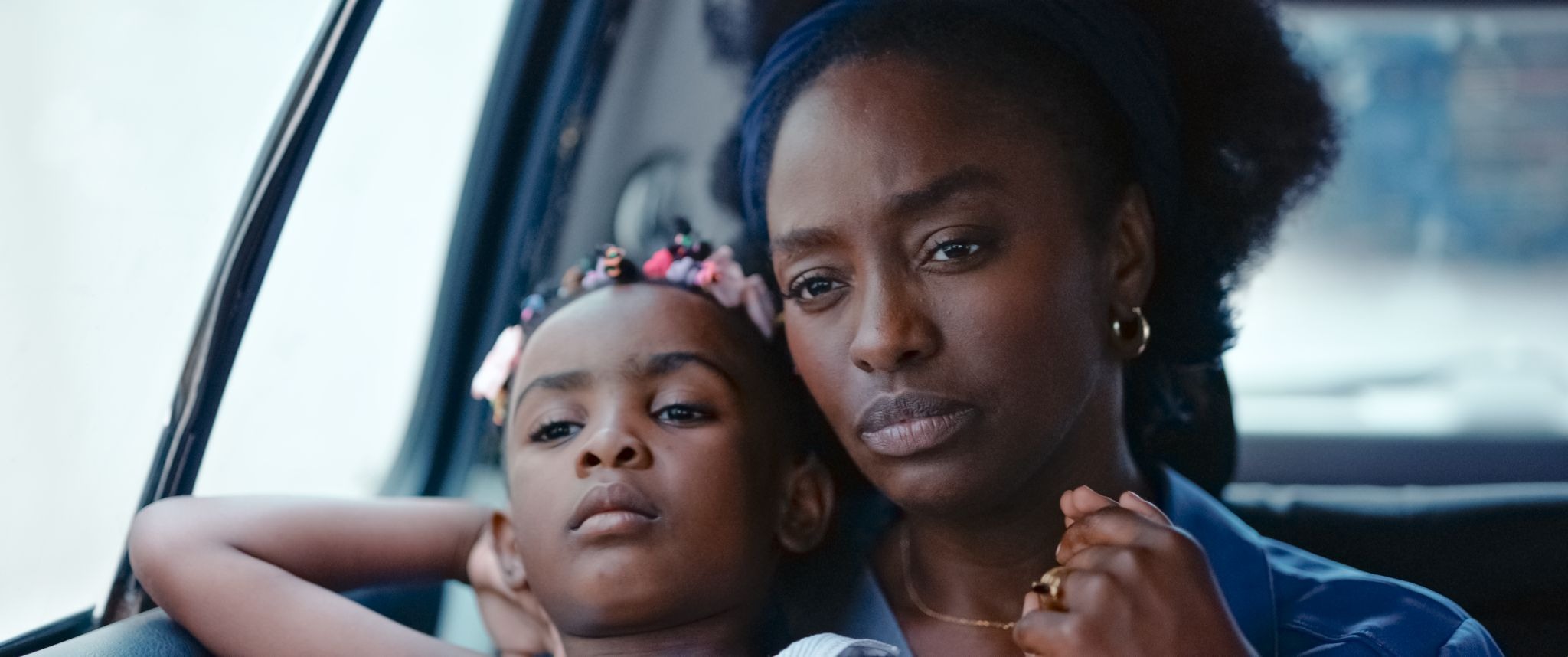
This immersion is helped by the film’s frequent use of close-ups. Sehiri, also a documentarian, keeps intimate track of her characters. She holds the camera on them long after you’d expect it to broaden to the wider scene. The effect is productively claustrophobic, as if Sehiri is showing the characters’ distance from the larger world at the same time as she gives them her undivided focus. This imbues Promised Sky with a profound sensation of isolation and otherness that engenders empathy. If the women are not able to access the broader world and if the audience isn’t either through the film, at least we’re able to see the women themselves. This intimacy is the power of Sehiri’s clear, understated hand.
Yet at times the film is frustratingly withholding. The script provides no sense of what life was like in Côte d’Ivoire. The individual backstories of these three women are gestured to, but the vagueness with which this is done leads their past lives to feel superfluous and their perseverance to feel general. Marie, Jolie, and Naney do not act as if they feel divorced from their past—it’squite the opposite—yet these pasts are inexplicably concealed from the viewer, compromising the film’s ability to share the closeness it holds with its characters. Compelling arguments could be made that these backstories are outside the scope of the film or that they would’ve muddied its urgency, but Sehiri is so intent on humanizing these individuals who are typically obscured and manipulated by governmental forces that this absence feels like an oversight.
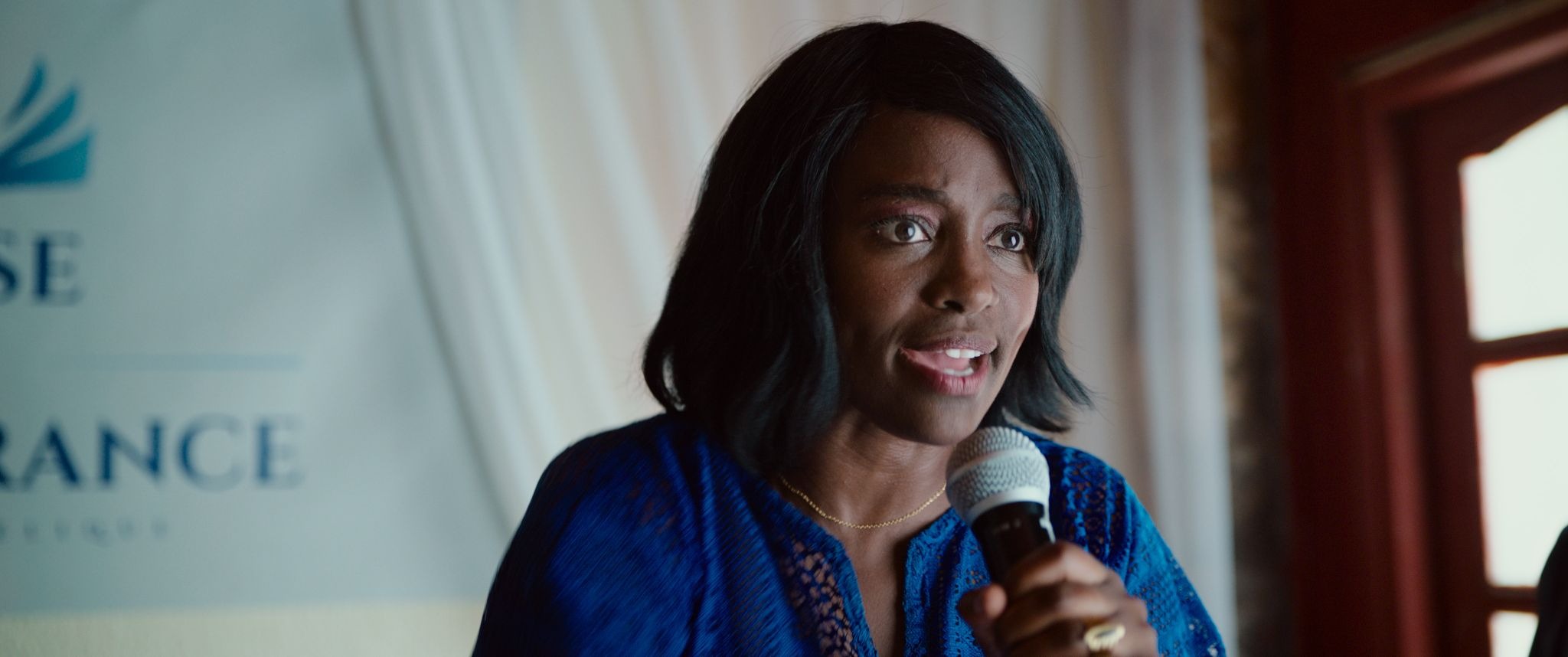
Nevertheless, the film is satisfying alone for its steady wave of tender, open-hearted performances. Maïga especially imbues Marie with a soft watchfulness containing hope and fear, instinct and restraint, and embodies the film’s core tension. Her ever-inquisitive face projects an imperative to persevere, and to make perseverance personal and communal, all while fighting anti-immigrant pressures to dissolve the new communities that make persisting possible at all.
In the Q&A marking the film’s opening day at Film Forum, Sehiri told us about one of the actor’s dilemmas: to either migrate to Europe or stay in Tunisia to finish the shoot. This actor skipped set one day with the intention of joining a boat of migrants to either France or Italy—a boat she chose not to board, a boat which ultimately sank. A related sense runs through the film: that these women must always be ready should a big decision need to be made. Promised Sky broadens the precarity of living in a hostile country beyond its implications on safety, including a more soulful dimension. Through its subtle commitment to the everyday, the film asks what types of separation can be overcome and how much distance a person can tolerate.
Promised Sky opened on June 12, 2026, and is currently screening at Film Forum in New York City.






%2C%20dir%20(2).%20Brydie%20O%E2%80%99Connor%20-%201.jpeg)