.webp)
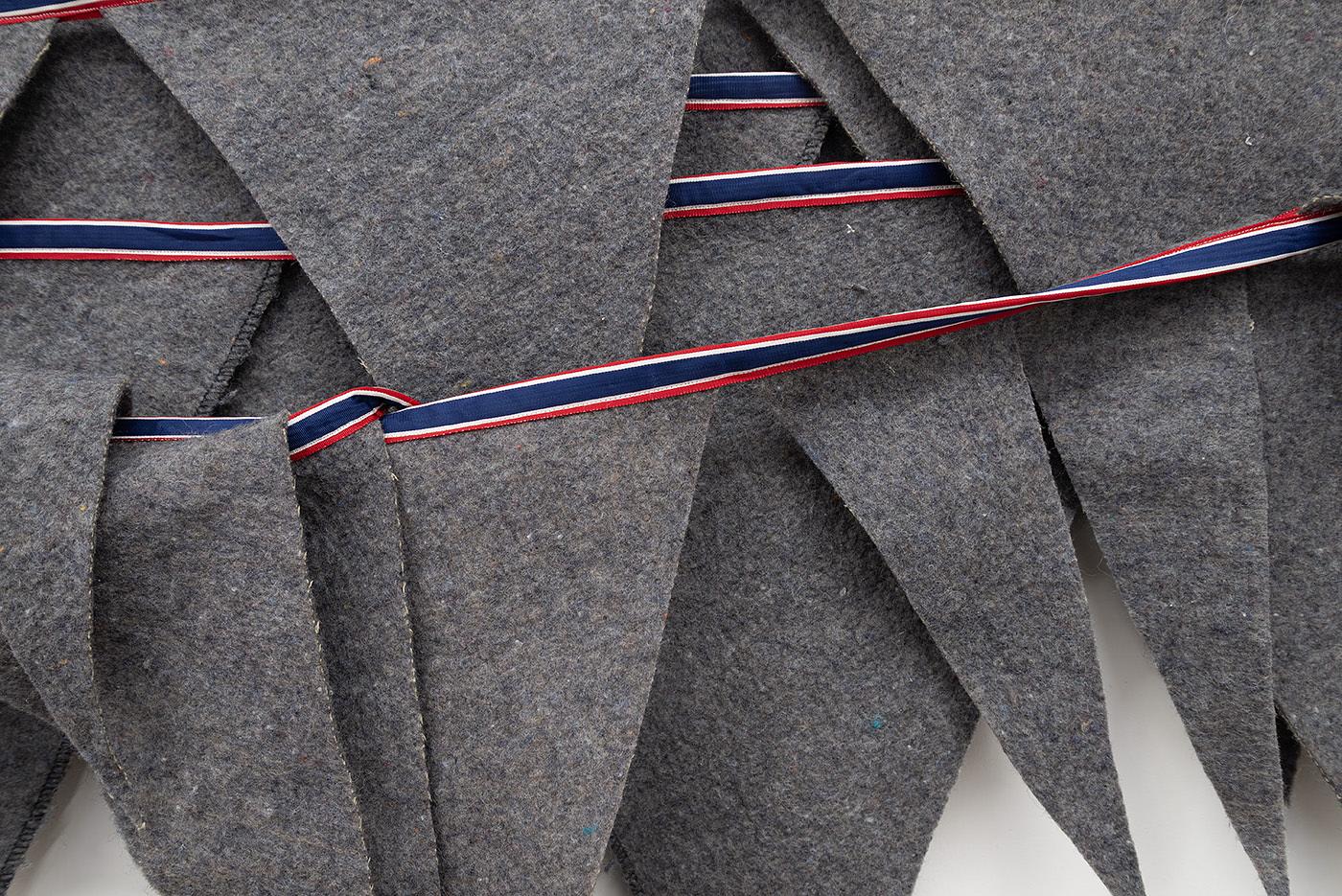
Kern Samuel: “IM” at Derosia
Review
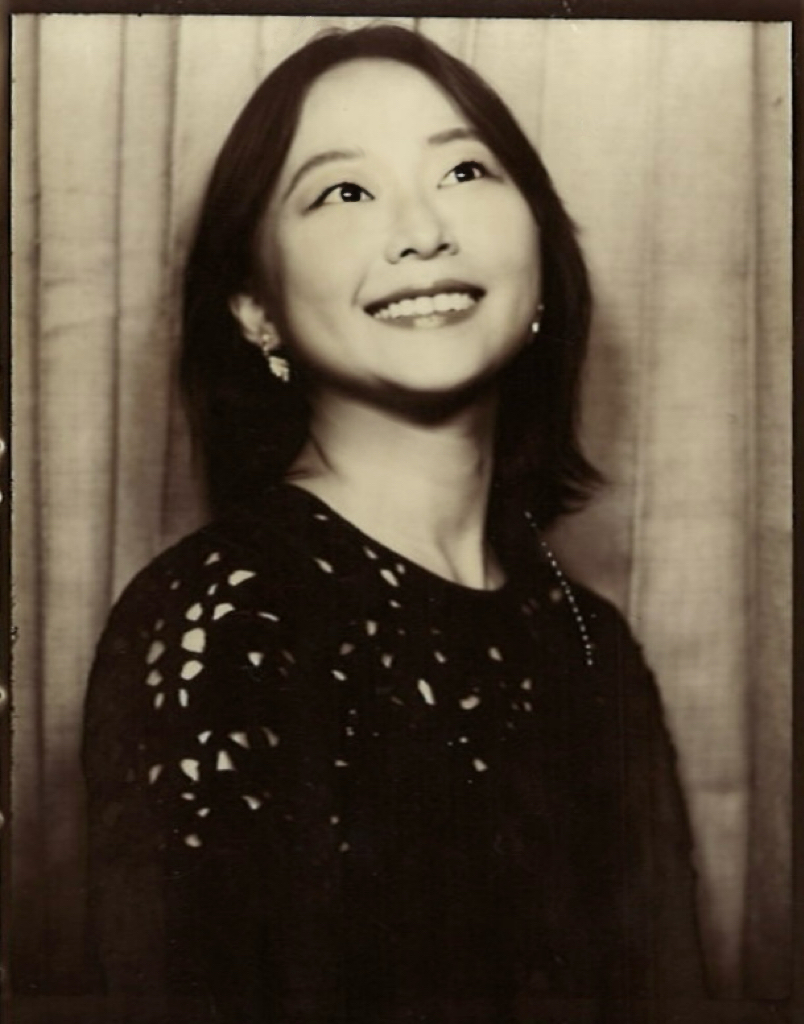
Jeana Zhenyu Zhang is always in pursuit of alchemy. Zhang, born in Dalian, China, and now based in New York, grew up practicing Chinese calligraphy and ink painting before her training took a new direction in the US, where she studied oil painting and mixed media art. She has spent her career searching for a new practice that honors both traditions without being confined by either. Zhang’s recent works push this search into materials: she wields metallic acrylics that oxidize into green and violet under hot water and reinterprets Chinese ink expressions with them. Images of natural elements caught mid-transformation recur in her paintings—knotting trees, withering leaves, and beading raindrops.
Ahead of her solo exhibition opening at VillageOneArt, IMPULSE met with Zhang to discuss her relationship with Chinese ink traditions, American art-school training, and ambitions for a new framework to merge the two.
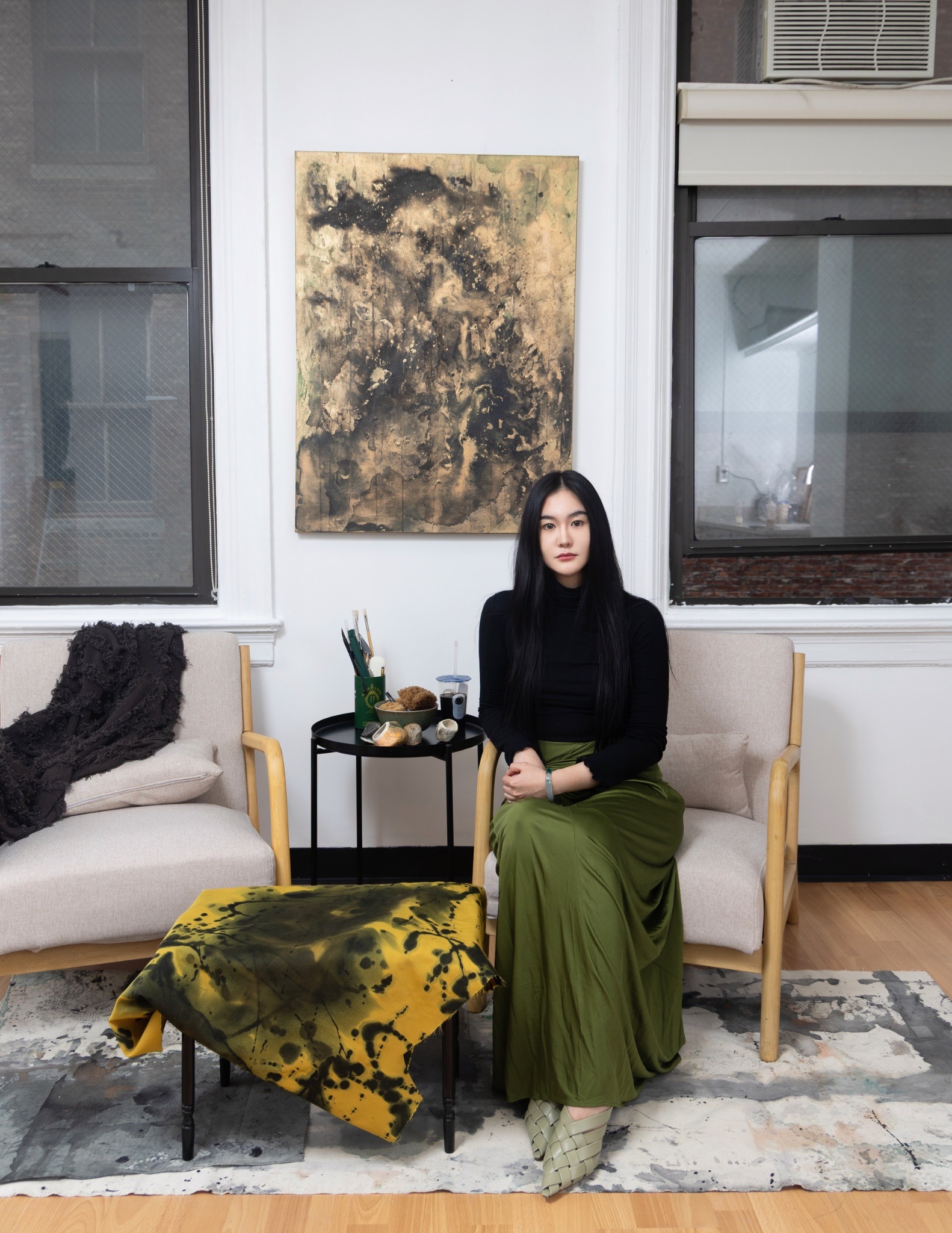
Laura Luo: Can you tell me about your artistic training growing up? How did it evolve over time?
Jeana Zhenyu Zhang: I started learning calligraphy and Chinese ink painting around age seven or eight in elementary school, and my childhood dream was to get into the Chinese Painting department at the China Academy of Art. In middle school, I began my training in figure drawing, gouache still-life painting, and quick sketching, three mandatory categories in China’s art-school entrance exam. This examination system sets a standardized way for art students to observe and render objects—in a way, it provides a shortcut [for artmaking] but drowns out individual talents. I gradually adapted the way I observe things to fit this system, but this process of adaptation itself made me feel like I was losing a lot of my unique perspectives. So I found myself slowly losing trust in this system and decided to study abroad.
I studied oil painting at California College of the Arts for my undergraduate degree, and I pivoted to studying mixed media art in graduate school at Parsons School of Design. I was in search of a medium that could best serve me, so I decided to trace back to my earlier training and my roots.
LL: Speaking of tracing back to your earlier training in ink, how does it shape the way you work now?
JZZ: I use acrylics to imitate the textures and expressions of ink and recreate them on the canvas. I am fascinated by the experimentation of using two different mediums to create the same effects—using a new medium (acrylics) to interpret an old system (ink) is a way of renewing and refining myself.
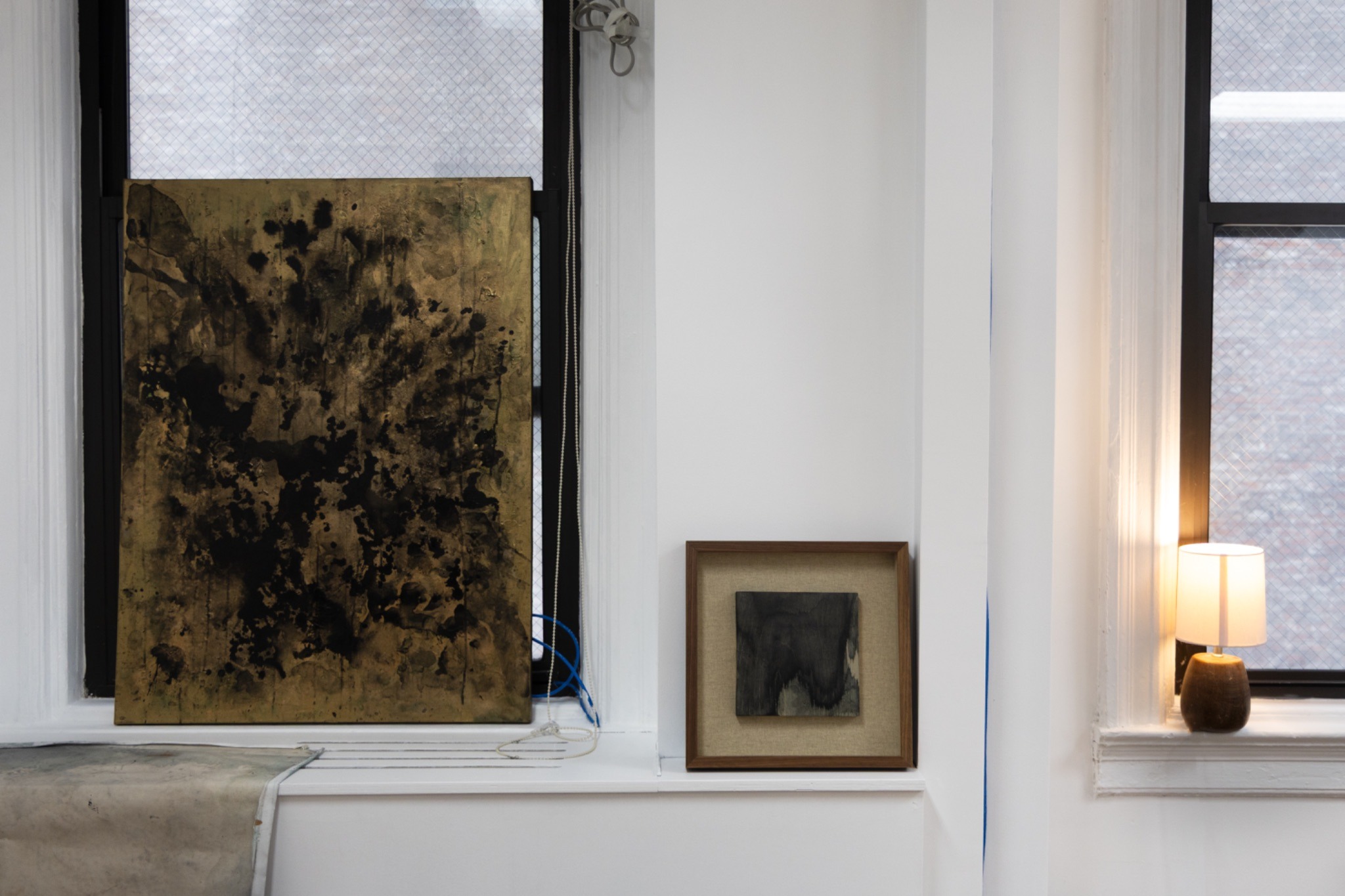
Now I use acrylics with metallic compounds, which react with hot water to create an alchemical effect. The hotter the water, the more vibrant emerald green the pigment turns. Through this process, golden metallic compounds turn green and silver ones violet. I usually paint on the ground, tilting the canvas and letting the paint pool or flow to create its own boundaries. I then layer ink and more acrylic paint based on these boundaries.
LL: Do you still practice calligraphy?
JZZ: Yes, I find that calligraphy calms my mind, and I write calligraphy before I paint. The ritual of calligraphy-writing, including setting up the ink, paper, and mat, puts me in the right state of mind to create.
LL: I also think the art history of ink in China found itself in a dilemma as the country emerged from the Cultural Revolution in the late twentieth century—ink was trying to reconnect with its past Chinese traditions while catching up with an increasingly globalized world.
JZZ: Exactly, literati painting and, later, neo-literati painting never found a good way forward because of this. Now, traditional art practitioners and contemporary art practitioners in China operate as two isolated systems.
LL: How does the tradition of Chinese ink, including its tools, techniques, and aesthetics, inform the way you paint?
JZZ: I use acrylics and canvas because I want to break away from the traditional mediums. I want to use Western tools to articulate Eastern culture, and I want to establish a new logic of painting.
LL: You mentioned that calligraphy creates a quiet mind. Do you think different personalities come out when you paint?
JZZ: Yes, when I paint, I have stronger emotions, whether anger, heartbreak, fervor, or euphoria, and I feel charged.
LL: Are you working on anything new at the moment?
JZZ: Yes, trees. When trees contract diseases or get wounded, they grow knots and secrete a healing sap. The structure of tree branches, interlaced, unpredictable, and complex, reminds me of veins. I also like to reference photos of both fresh and withered lotus leaves. They present their vein structures more clearly when withered, and I am interested in their transformation from fresh to withered—the temporality and seriality.
This interview was edited for clarity and length.