
Editors' Selects: October 2026
Review
As part of the exhibition Poetics of Encryption at Kunsthal Charlottenborg in January of 2025, Kristian Kragelund used heatsinks—computer components designed to absorb and evenly distribute heat generated by internal processes—in a work titled Algopolis (2024) to envision a miniature urban skyline. Kragelund set aside the metal objects’ function-driven design and cast them as futuristic architectural forms instead. Strm und Drang, recently on view at island gallery, picks up the thread that this work leaves behind, triangulating heat, function, and material to embark on an investigation into the firmament of malware.
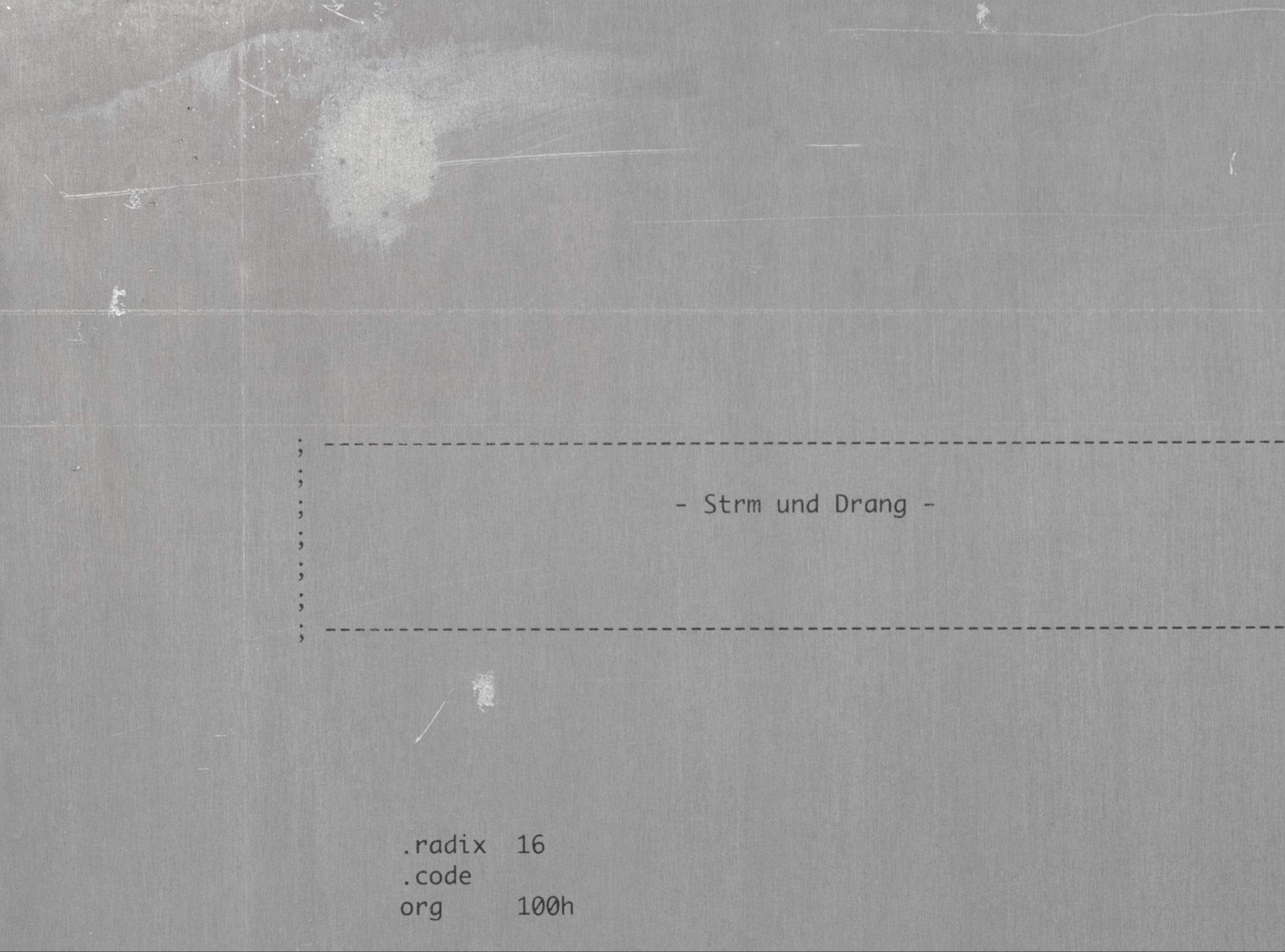
Using a process of thermal marking, Kragelund inscribes texts scraped from computer viruses on a series of wall-mounted aluminum panels. The controlled application of heat, a common method for labeling aluminum parts with serial numbers, renders messages buried within code as isolated personal notes, confessions, and tributes. The cold, formal logic of Kragelund’s metal panels and the impersonal heft of computer syntax relate an affective and visual counterpressure. From the incongruity of content and form, Kragelund wrings out a wayward suite of scripts: messages sent and received under online aliases, birthday wishes dispatched in source typeface, and eulogies rinsed in silver-grey.
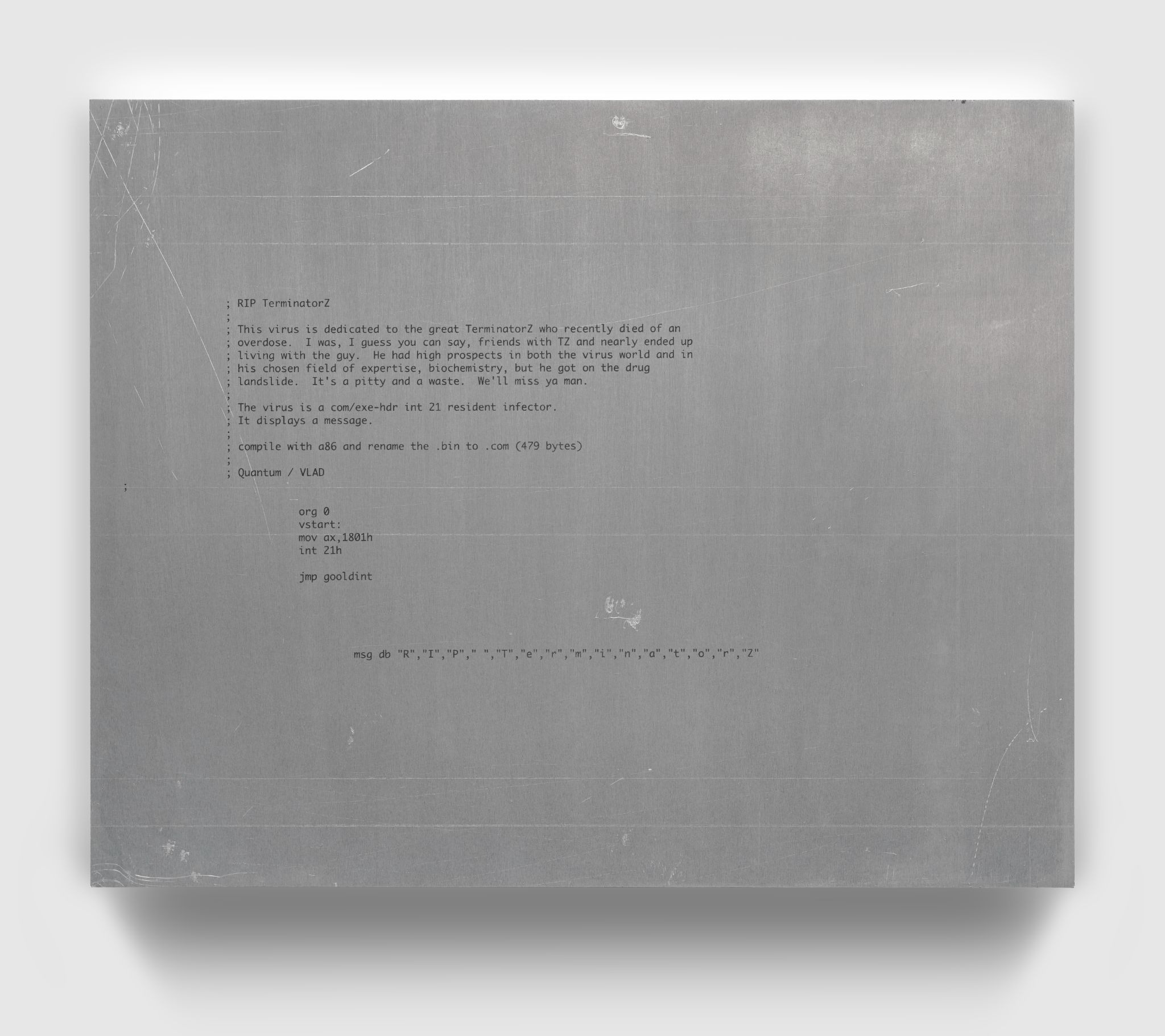
Kragelund rummages through swathes of data on platforms like GitHub and 4Chan, resurfacing with texts that are hidden inside strings of code. The viruses that are imagined as completely insensate, he finds, are actually replete with human affection. Take TZ (2026), for example, where the author writes, “This virus is dedicated to the great TerminatorZ who recently died of an overdose [ … ] We’ll miss ya man.” Known as a resident infector virus, the malware creeps into a system’s memory, passively polluting any software the computer user runs. In this case, the sole function of the junkware is to display a single message: “RIP TerminatorZ”. Machine storage is retooled—hijacked—as a conduit for memorialization. As fascinating as it is foreboding, Kragelund considers the virus as a framework wherein machine and human memory coincide, rejecting neat, rigid boundaries between the two. The scale of each aluminum panel takes after the size of the artist’s childhood computer screen, tucking the work further into unexpected personal histories.
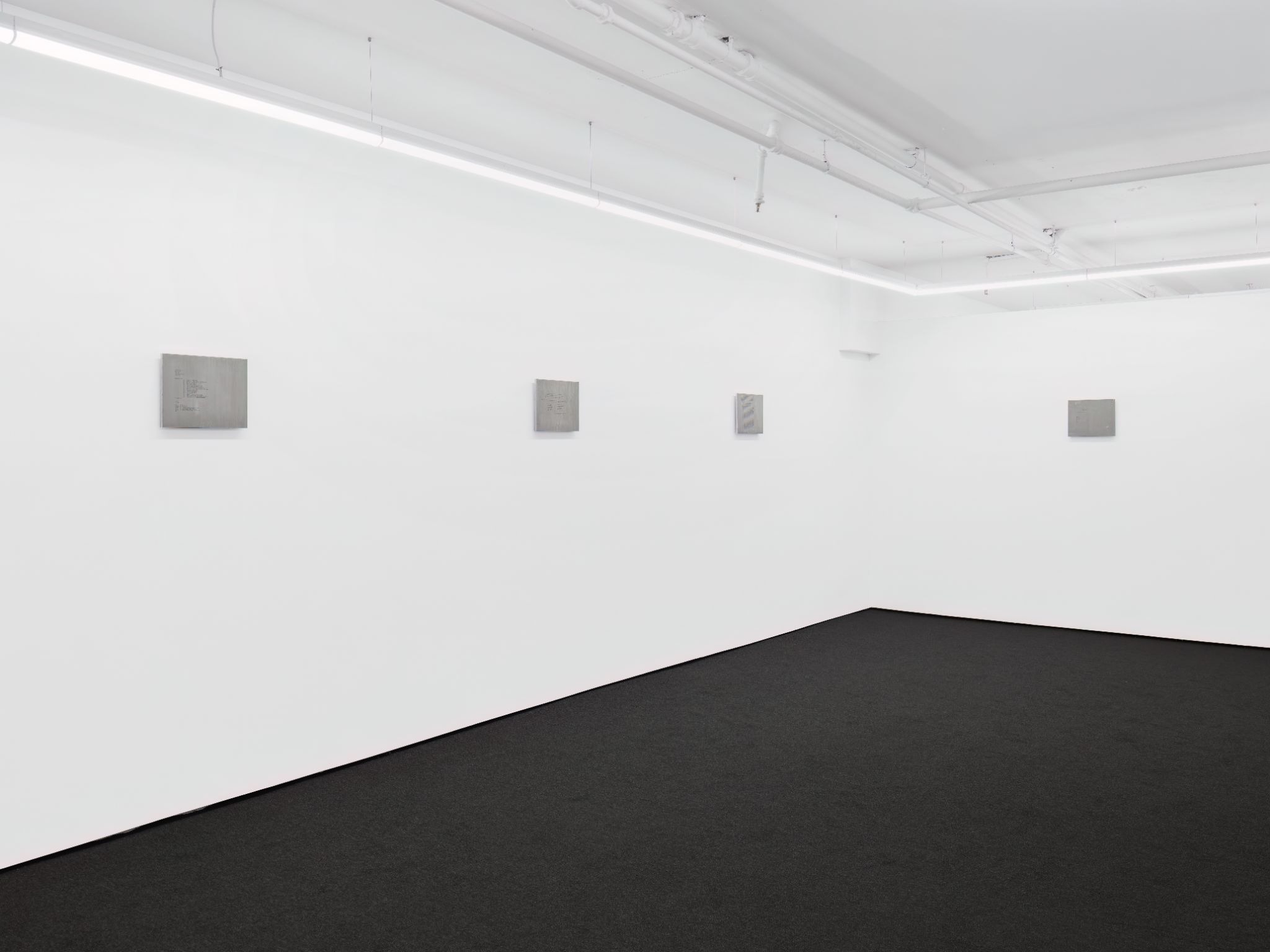
Another work on view, Phoebe (2026), features a text written in 1997 that is instructed to print to a nearby printer once a host computer becomes fully infected. The string reads like a prose poem with prevailing themes of life, the passage of time, and endurance. Here, semicolons and commas bookend each line. In other examples, the computational rhythm emerges from line breaks, repetition, and indentations, reverberating within ad hoc structures assembled with readymade asterisks, brackets, and apostrophes. Their tenderness is oddly hammed up by the inscrutability of programmatic language. After all, it only takes one errant symbol and the malware will fail to run. The chosen medium for these personal notes is seemingly just as fickle as the human relationships charged with admiration, nostalgia, and desire that they intimately register. Compounded by the accumulation of scratches on their surfaces during their fabrication and transport, Kragelund imbues these objects with a sense of worn fragility.
Entitled Strm und Drang, Kragelund borrows the exhibition title from a found line of code nestled within a virus. It pulls from the German literary movement in the late-18th century, Sturm und Drang (translating to “storm and stress”), which, prompted by a response to Enlightenment-era rationalism, fronted sensory experience and privileged impassioned emotion. Fittingly, the epistolary form, popular in the Sturm und Drang tradition, bears resemblance to the diaristic structure in Dogpaw (2026), where the virus writer confesses to running over a dog after stealing their father’s car: “Ohh shit i crushed a dog! Now from time to time when that scene comes to my mind, all i see is that unfortunate squeezed dog wavin [sic] goodbye with his paw. . the poor dog paw”. Kragelund activates these backstair musings and transforms them into legible literary fragments of extant digital networks.
Cool-colored bar light fixtures and dark carpet were installed specifically for this show, situating gallery visitors in a stiff, office-like room. Two floor sculptures fabricated with grey-tinted shatter-proof glass panes, the same stuff used in luxury storefronts, materially respond to the ideas of forced entry and security that the computer viruses broach. In Disposition2 (2026), a group of identical sheets of glass lean against the gallery wall. Their overlapping edges produce bar code-like bands, spitting back grey-scale reflections. The multiplying visual effect begets another viral quality that simultaneously corresponds with the typographic dashes that crowd and enclose some of the textual units. Kragelund presents these glass sculptures as a suitable foil to the works on aluminum, zeroing in on a material that requires exacting processes of heating and rapid cooling to be made.
On a notional level, Kragelund lets on a gathering storm through his exploration of material and form that draw into the thermal conditions that undergird this presentation. The blend of ardent writings and their cold substrates relates these conditions to the internal weather of computers and their human users alike. Kragelund pulls no punches as he poses the question: Might one mistake the heat of a machine for the heat of a body? And if so, what difference does it make? Still, more speculative than cynical, and packed with latent poetic expression, Strm und Drang trains the eye to see through the glass, darkly, so to speak, and into the tempered transparency of increasingly complex digital infrastructures.
Kristian Kragelund: Strm und Drang was on view at island from September 3 through October 24, 2026.