

.webp)
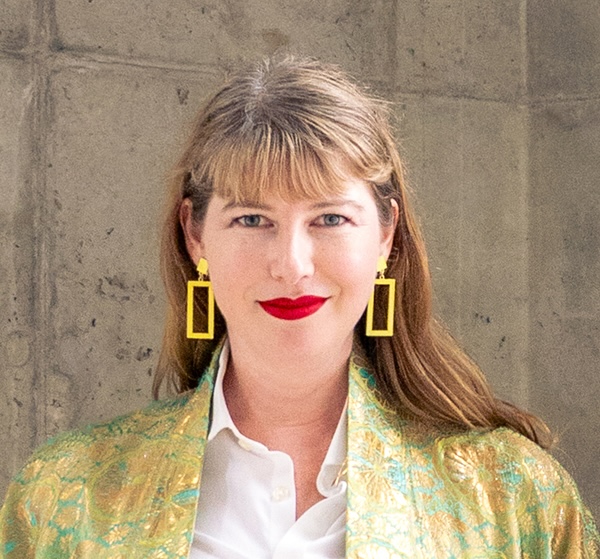
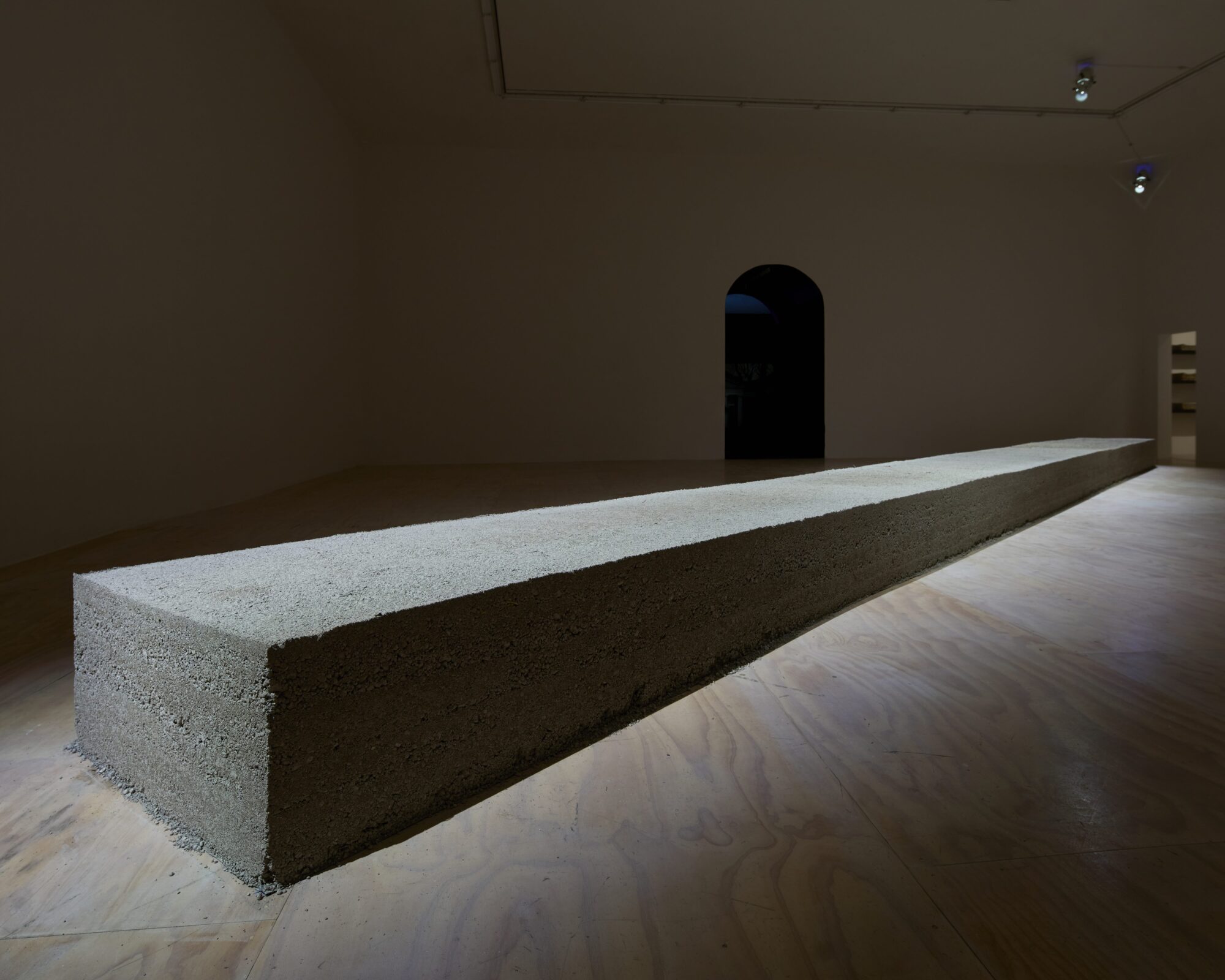
Teresa Margolles: "En el lugar de los hechos (At the Scene)"
Review
The first time I became aware of Wassaic Project was through their Haunted Mill, the annual exhibition that transforms the small hamlet into something between an art experience, community ritual, and Halloween fever dream. Buildings become installations. Familiar spaces become strange. The entire thing feels improbable, which may be part of why it works. Since then, I have returned several times. Each visit leaves me with the same thought: someone imagined this place and somehow convinced others it was possible.
I live and work in New York City. Like many artists, much of my life has been spent moving between studios, residencies, openings, temporary opportunities, and long stretches of uncertainty. Over the years I attended Skowhegan and later became a fellow at MacDowell, believing proximity to institutions might naturally reveal how to build a sustainable life in art.
What I learned instead is that access and understanding are not the same thing. You can attend prestigious programs and still struggle to understand how relationships form. You can receive opportunities and remain unsure of how to sustain them. A residency does not necessarily become mentorship. Community does not always become belonging. Increasingly, I wonder whether many artists were simply never taught these skills.
Recently, at a MacDowell panel during NADA (New Art Dealers Alliance) focused on equity and artist support, an artist expressed frustration after years of residencies and applications that had not translated into stability. Why, after so many opportunities, did she still feel stranded? I recognized the feeling. Not because I share her conclusions, but because many artists quietly occupy some version of that place: where disappointment hardens into resentment, and the gap between opportunity and sustainability becomes difficult to understand.
Listening, I found myself wondering whether what she lacked was not talent but infrastructure, guidance, mentorship, and someone to explain the unspoken, because survival in the arts often depends on knowledge moving sideways between peers. I found myself thinking about all of this during a recent visit to Wassaic.
The commute from New York is surprisingly straightforward. A train north, one transfer. Arriving often feels less like entering an institution and more like stepping briefly into an alternate model for living as an artist.
This visit included time with artist Natalie Baxter, who has continued expanding her property into a studio, gathering place, and a future exhibition or residency model called Sometimes Gallery.
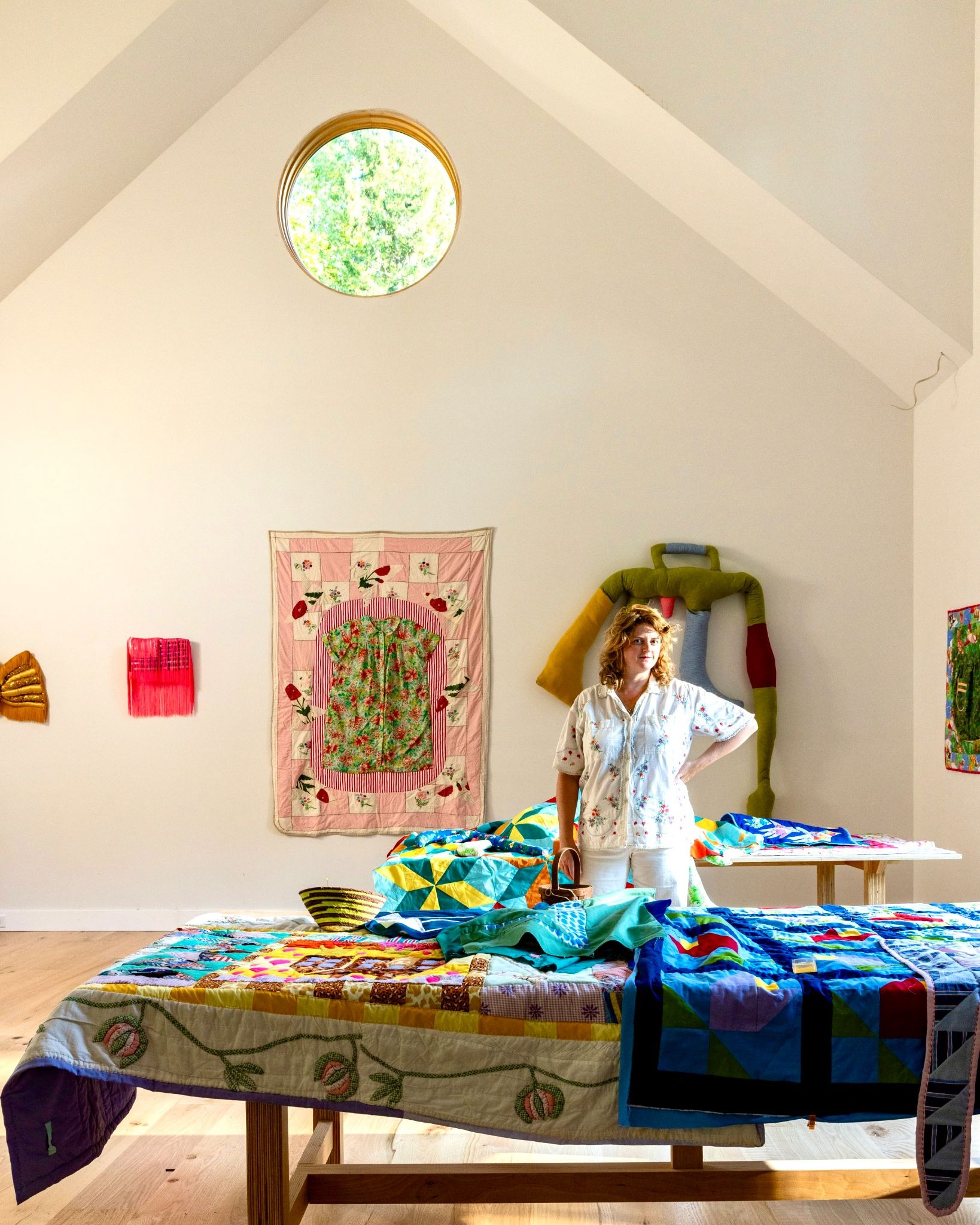
It struck me that perhaps many support systems begin this way: A studio becomes a meeting place. A home becomes infrastructure. Support reproduces support. Maybe this is why Wassaic endures—artists need ecosystems.
The summer exhibition, Because, Now is the Time of Monsters, curated by artists Eve Biddle, Jeff Barnett-Winsby, Bowie Zunino, and Will Hutnick, stemmed from questions surrounding what artists build for themselves and what they build for one another. The show suggested monsters not as creatures but as unstable systems: precarity, labor, inherited structures, loneliness, adaptation.
One of the first encounters came through retired New York City firefighter Dennis Gordon’s miniature architectural models. Their meticulous scale encouraged slow looking while carrying traces of accumulated experience, labor, and observation.
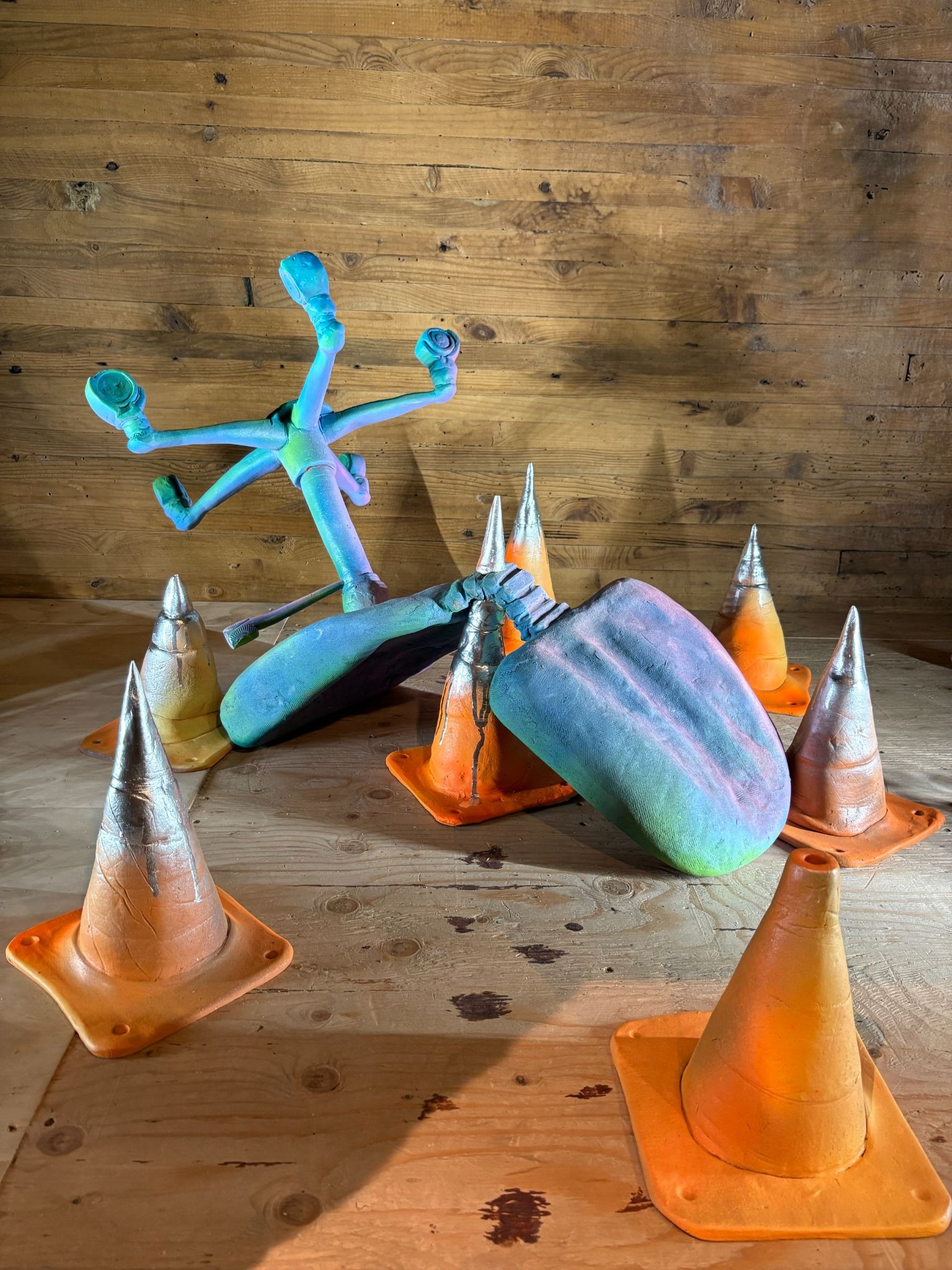
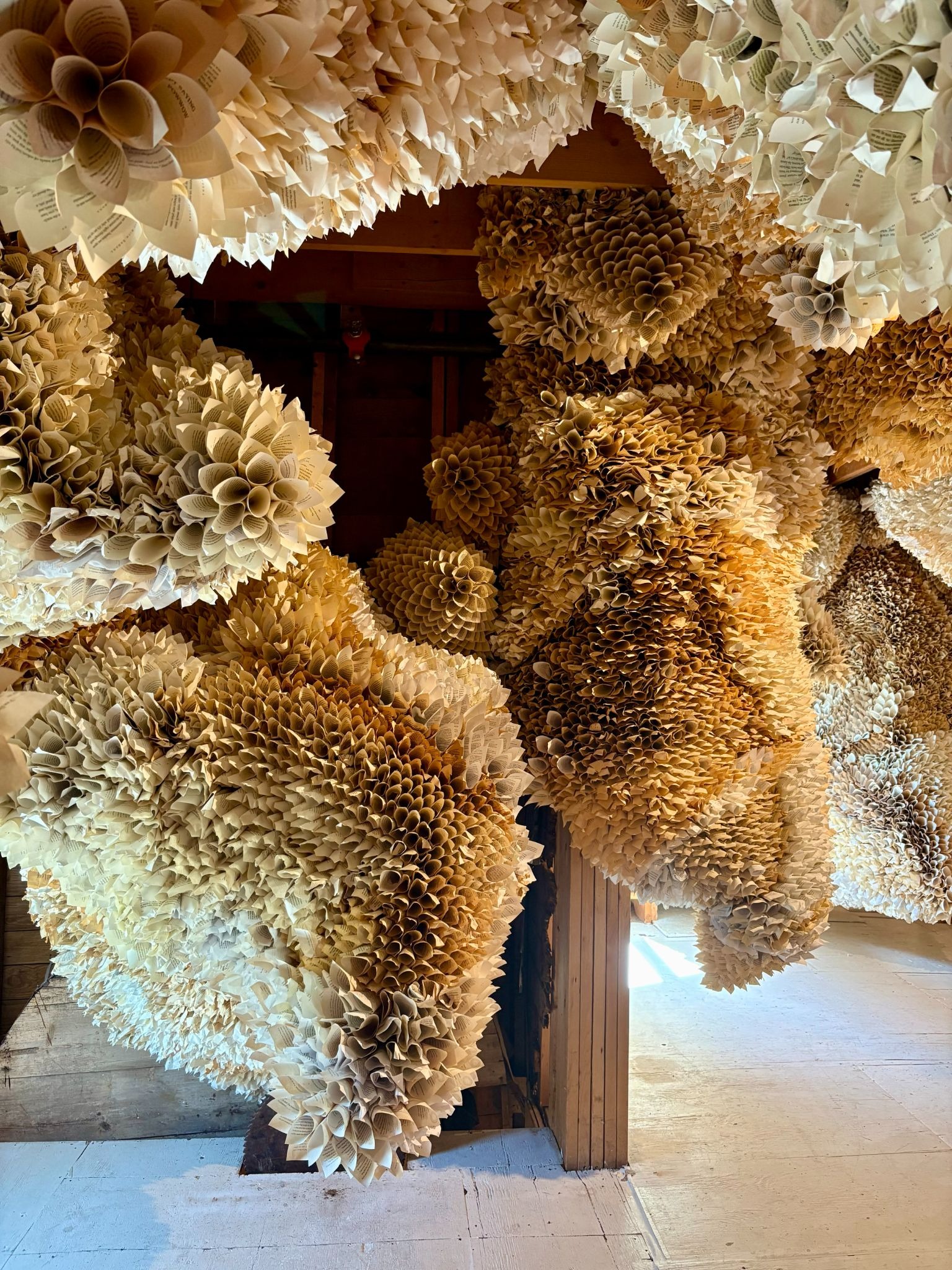
Nearby, Ace Lehner’s The Barbershop: The Art of Queer Failure transformed haircutting into social practice and exchange, centering on world-building through gestures of care. Ascending the wooden mill, Kelly Cox’s hand-built clay and aerosol pigment sculptures appeared almost as traps or warning systems, with light switches, overturned office chairs, and caution cones. Objects hovered between protection and threat, workplace debris and sculpture.
Further upward, Samuelle Green’s installation of reclaimed pages, glue, and wire occupied space like a hive or nest. Looking outward through the mill windows toward insects and landscape beyond, distinctions between architecture and living organism dissolved.
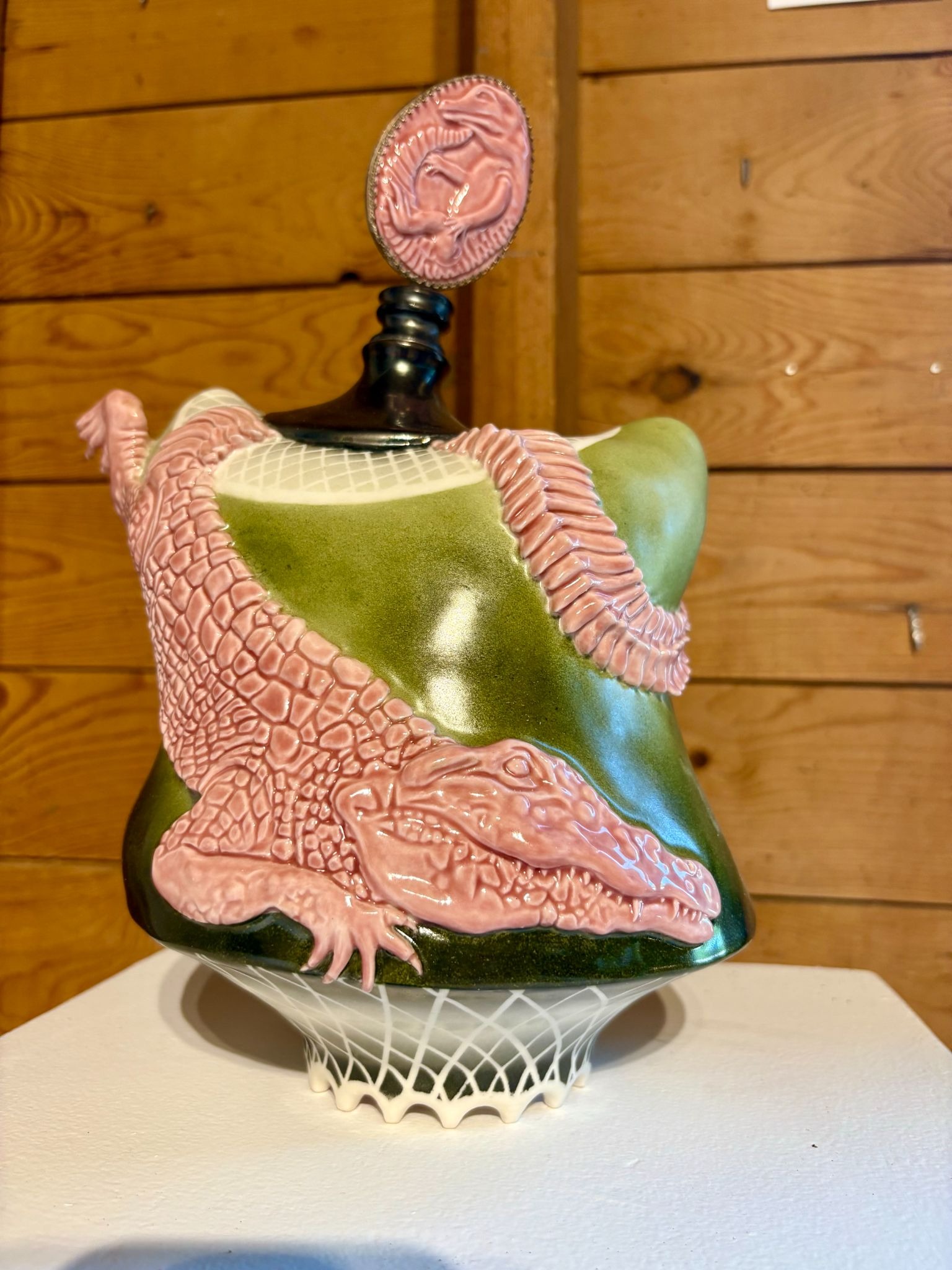
Particularly memorable was the ceramic work of Isys Hennigar. Constructed from glazed porcelain with overglazed nickel silver and sterling silver, the sculptures resembled lamps or familiar domestic objects while refusing utility altogether; they also evoke creatures like birds and amphibians, seeming simultaneously antique and entirely invented.
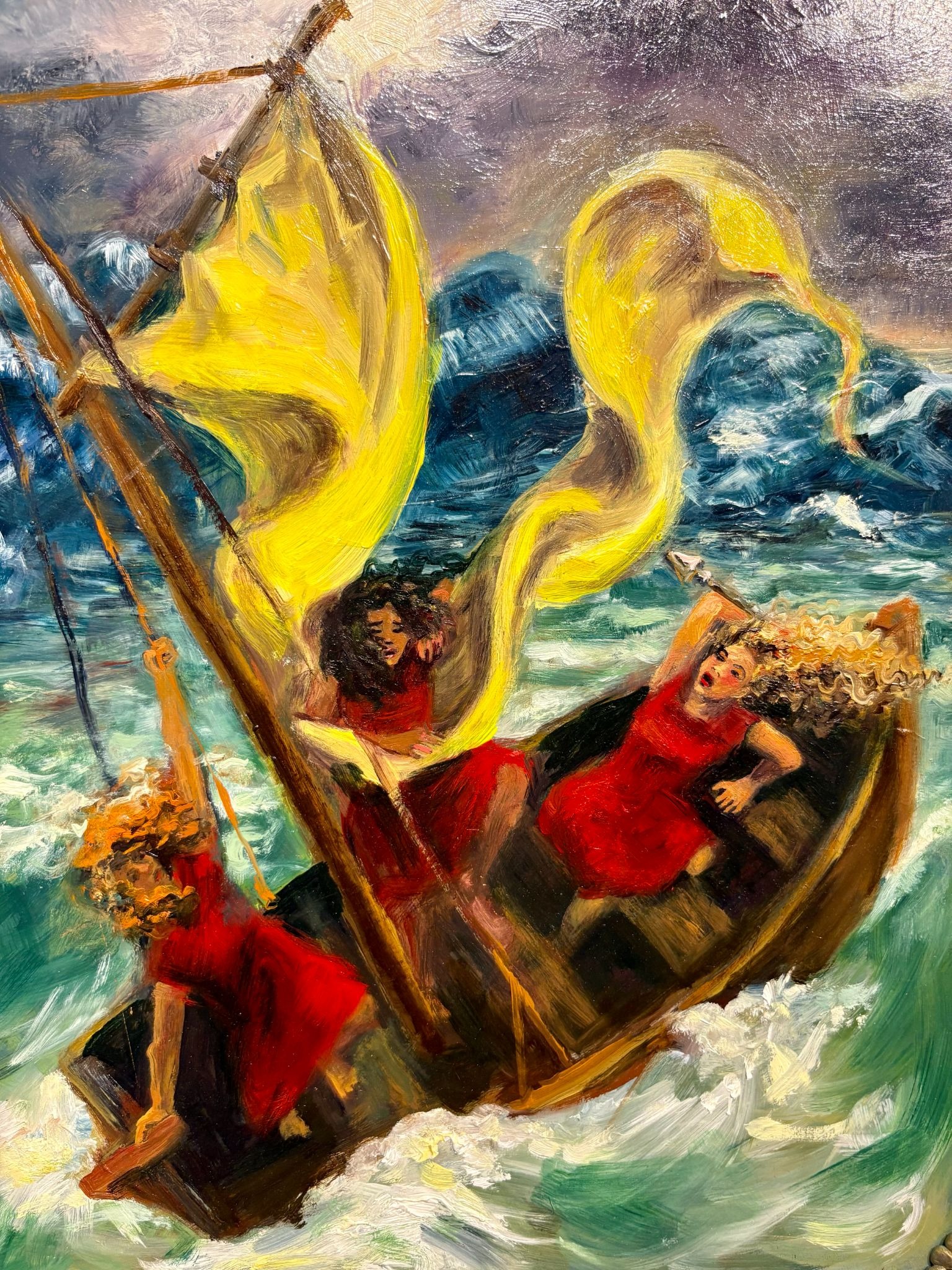
An entire floor transformed through Jessica Hargreaves’s Protect Me from My Dreams, where paintings and sculptural elements created a psychologically charged bedroom-like environment: rough seas, instability, figures approaching danger. The work suggested interior life itself can become precarious terrain.
At the highest floor, Clarissa Pezone’s A Room of My Own offered perhaps the exhibition’s most immersive world, with ceramic figures, paintings, handmade quilts, wigs, and earthenware. Entering felt less like viewing an installation than stepping inside someone’s subconscious. For instance, a reclining ceramic figure rested against a handmade quilt marked by repeated touch and pressure, as though anxiety itself had altered the surface over time.
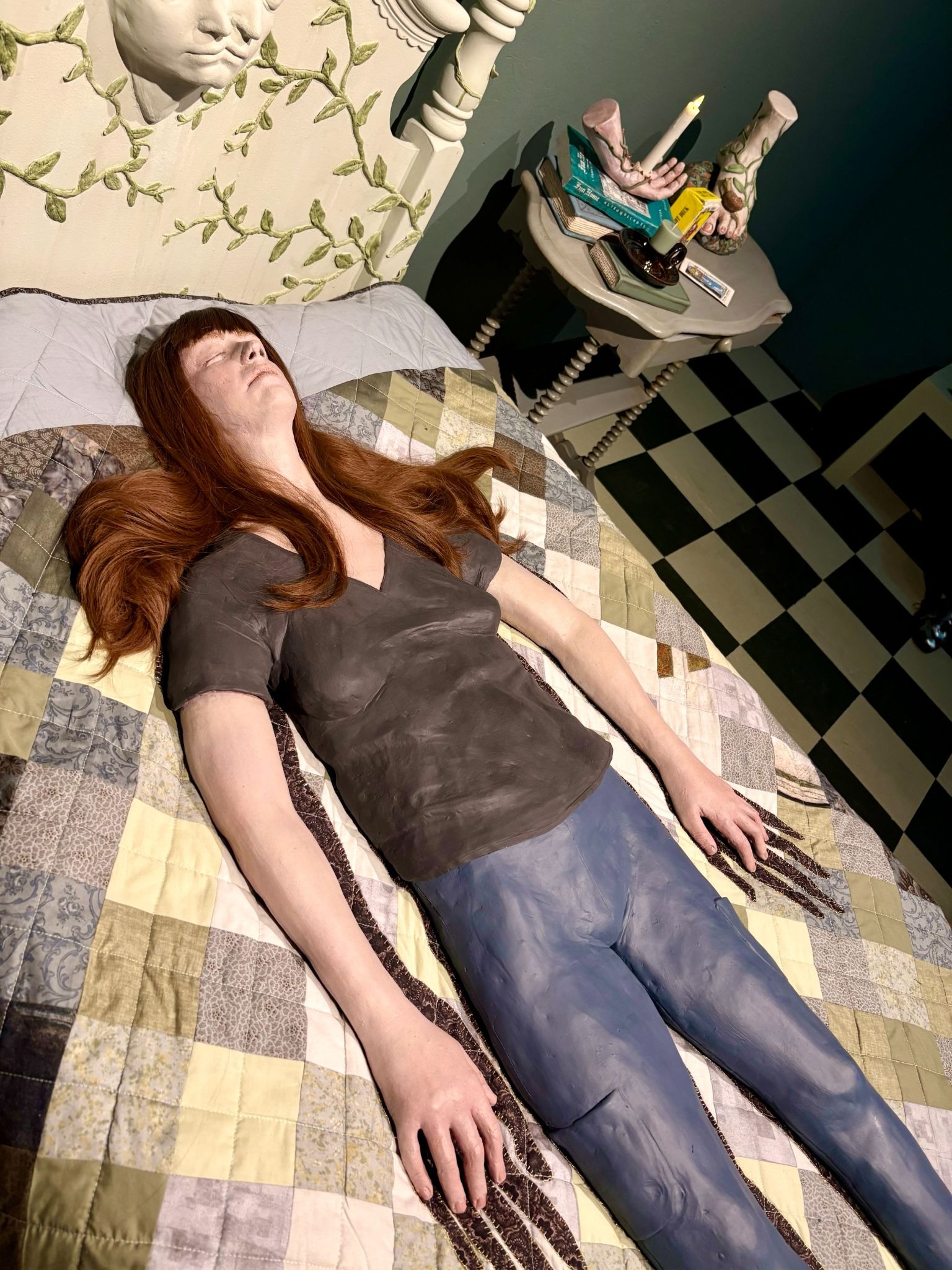
Speaking later with Pezone at the local pub, The Lantern, she described producing the installation over four dedicated months. Hearing this made the density of the environment feel even more remarkable; the labor behind the work remained visible without diminishing its mystery.
Across these works, artists repeatedly transformed domestic objects, care systems, labor histories, and private interiors into unstable architectures. The monsters, as suggested in the exhibition’s title, were not external. Often they looked more familiar: loneliness, survival, gender, failure, memory, adaptation, the effort required to continue.
The first time I visited Wassaic years ago for Haunted Mill, I sat alone at The Lantern eating a pizza before taking the train back to New York City. I wasn’t ready to meet anyone.
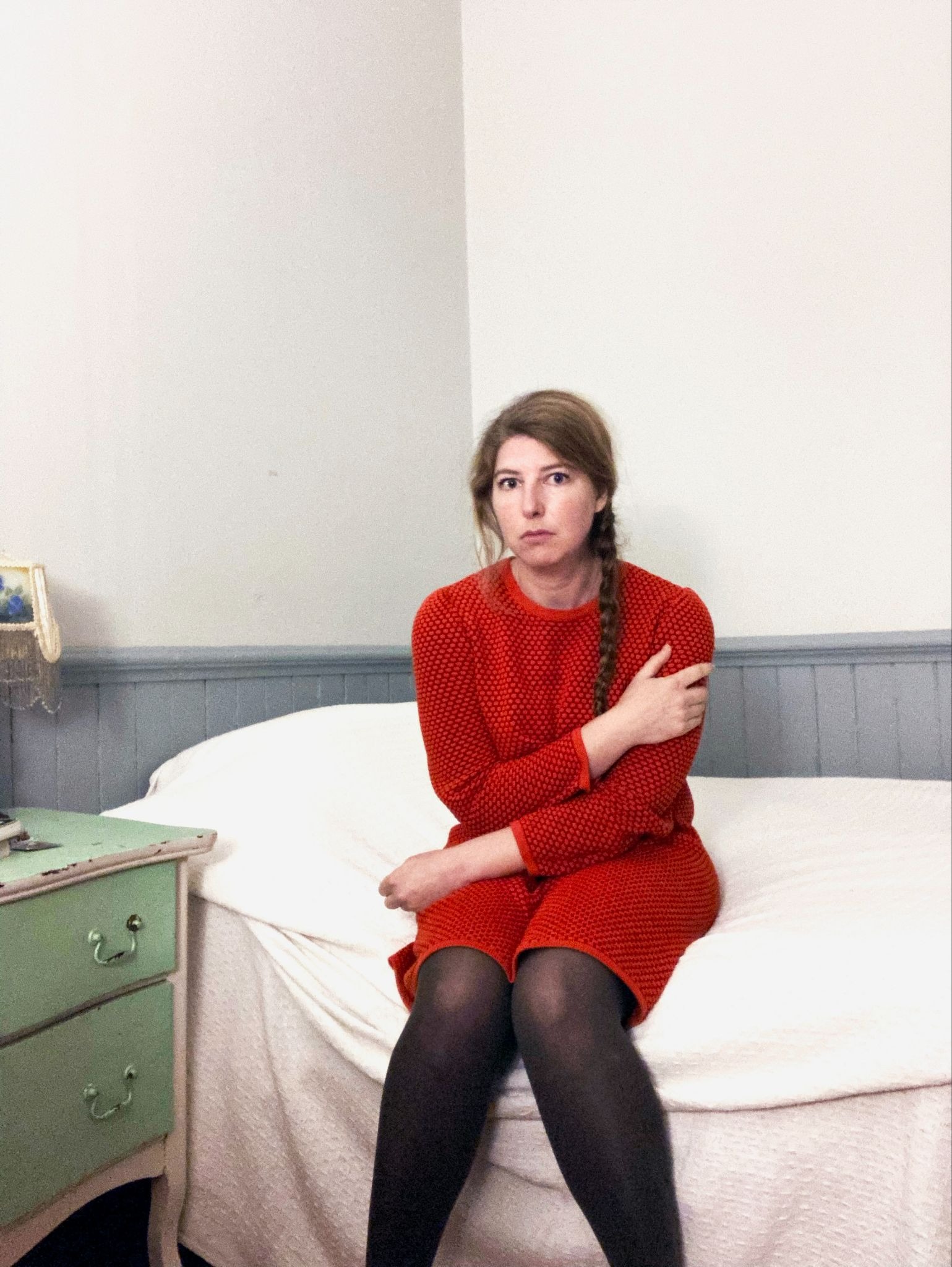
I remember feeling outside of things, unsure how belonging happened. This time, after spending the day moving through the exhibition, talking with artists, and thinking about all the invisible labor required to build spaces like this, I stopped again at The Lantern before heading back to the city.
Somewhere between that first visit and now, something had changed. Looking around the room, I realized I wasn’t alone anymore. Not because uncertainty disappeared. Not because the art world suddenly became easier. But because over time, by returning, introducing myself, asking questions, listening, staying curious, and continuing to show up, relationships had slowly formed.
The older I get, the less I believe community arrives all at once. Sometimes all it asks is that you return. To introduce yourself. To ask a question. To stay a little longer. Eventually, almost without noticing, strangers become familiar. A place becomes part of your life.
You realize you aren’t sitting alone anymore.