.jpg)

.webp)

%2C%20dir%20(2).%20Brydie%20O%E2%80%99Connor%20-%201.jpeg)
"Barbara Forever" (2026) dir. Brydie O’Connor
Review
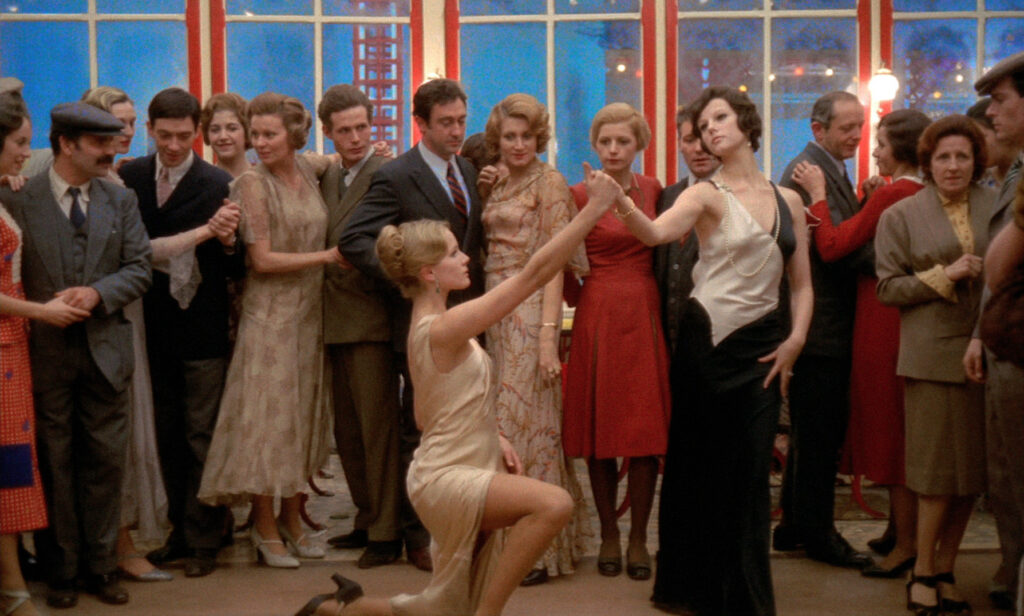
Film is, as André Bazin put it in 1945, the art of mummified time. Since the invention of the moving-image camera, the medium’s ability to capture the flow of time’s passage has been a central tenet upon which film theory is based, as well as a source of trepidation—a fount of ominous metaphors. Films about filmmaking, then, often plumb this tension between photogénie and its temporal vampirism, often from the perspective of a fictive artist. In Iván Zulueta’s Arrebato (1980), a cult horror director inhales his dailies like the heroin he snorts, hypnotic and addictive, sending him into prolonged periods of nonbeing; in films as varied as Fellini’s Toby Dammit (1969) and Billy Wilder’s Sunset Boulevard (1950), alcoholic actors find their lives have been similarly sucked dry by their time on camera, ultimately descending into misery. But these kinds of films have always been, for the most part, about the big shots—the kinds of directors and stars whose names appear on marquees and whose faces grin from magazine covers.
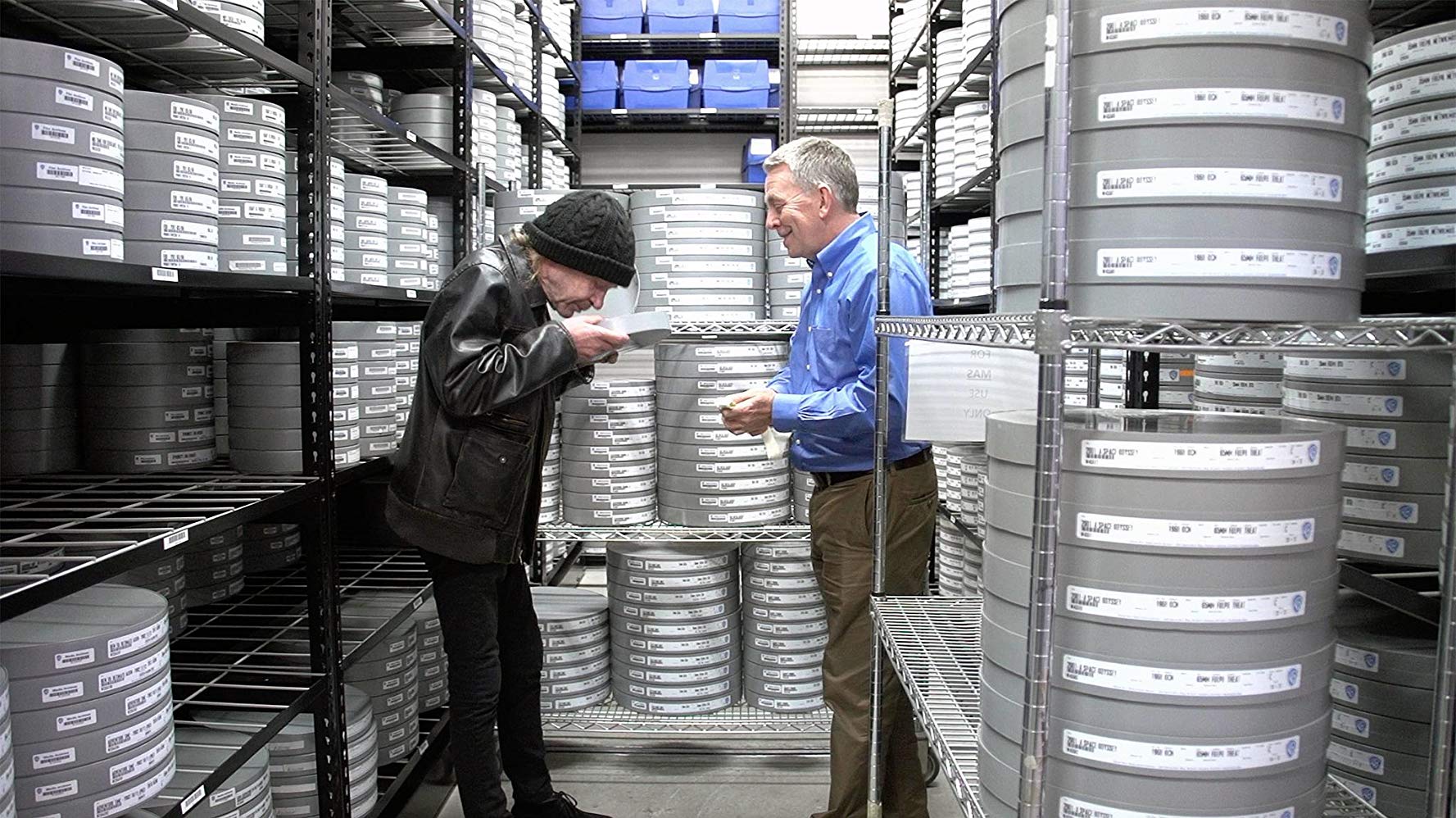
What, then, of the film worker? Say what you will of movie addiction as posited by the vaunted “movies about movies” genre, but at least those characters are dying for their own art. Even Travolta’s intrepid sound man in Blow Out (1981) is essentially on his own time. Movies like 2017’s Filmworker, a documentary portrait of Kubrick’s actor-turned-girl-Friday Leon Vitali, elucidate the particular struggles that come with being a right hand to an industry god, with its own set of ominous metaphors to match. “What Leon did,” Matthew Modine explains of this man who fully sublimated his own artistic ambitions to those of another, “was kind of a crucifixion of himself.” Scene after scene in Filmworker shows Vitelli scrambling to move mountain after mountain for Kubrick, calmly tolerating the famous man’s famous cruelty as a matter of course. Still, his story is, in a certain sense, the ideal version of the essential anonymity that comes with working in the most collaborative mainstream art form: his relationship to Kubrick was symbiotic and essential, laden with its own forms of romantic artistry. “I wanted to” is his repeated credo, no matter how much of his own life—personal and professional—was sacrificed.
More recently, Radu Jude’s absurdist epic, Do Not Expect Too Much from the End of the World (2023), tackled the most anonymous kinds of film labor with a fine-tooth comb, deglamorizing the interdependent nature of movie-making with bleak, cynical wit that verges on bellicosity. At one point in Filmworker, Vitelli mimes driving crazily during an interview as he rushes yet another miracle for his director, mouthing oh my god, oh my god, oh my god, oh my god … Jude, in essence, takes this familiar moment of panic and stretches it to feature length. Angela (Ilinca Manolache) isn’t a right hand to anyone so much as a little toe: she’s a PA helping scout injured factory workers for a safety video intended to lay the blame at their feet, essential and wildly undervalued. Over the course of a 163-minute runtime maniacally designed to fatigue the audience alongside Angela, the beleaguered PA spends her day careening between her car and a slurry of broken households, fielding abuse from all sides and chugging caffeine by the gallon.
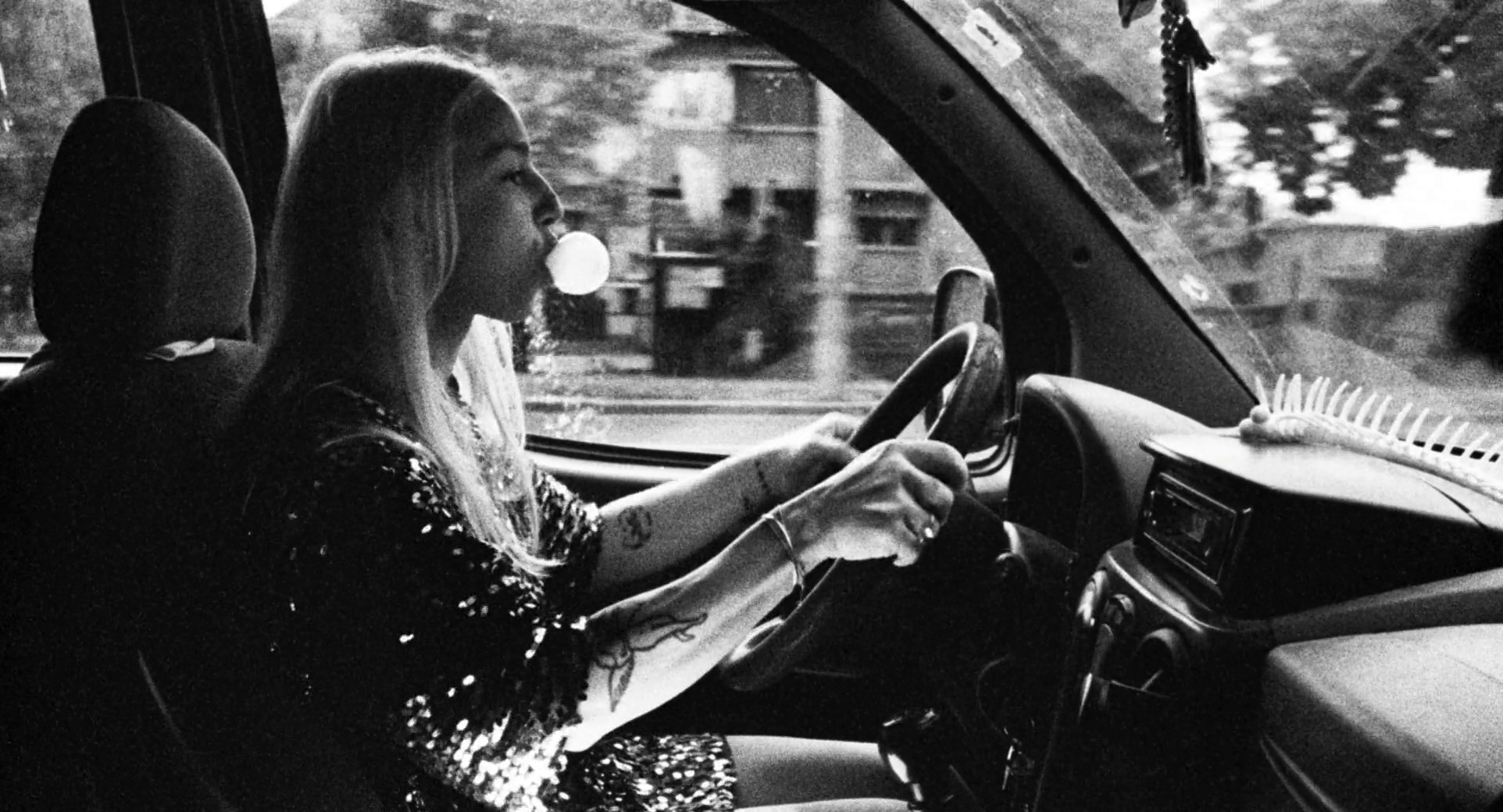
There’s a reason the raw images that eventually come to make up a film are called rushes. The pace, like a factory’s, is completely crushing; the project is utterly immoral and of no interest to her. Every minute of sleep is time lost for the production, she’s repeatedly reminded by her bosses. So she rushes, gripping her steering wheel, again and again and again. She has sex in her car between errands to save time. “I can’t go on like this,” she tells a doorman at one point. “That’s what you think,” he replies. Her creative outlet, or way of venting, is right-wing live-streaming. There are no happy endings here: her life and those broken by less romantic industries than film are placed in lockstep. Fuck movie magic—Angela is underpaid, under the gun, on the clock. Jude turns cinematic time’s dragnet into company time, capitalism cast as vampire rather than art as heroin. One loss is certainly more glamorous than the other.
Producer Paula Andrea Gonzalez-Nasser’s debut directorial feature, The Scout, picks up on this particular temporal double bind between cinema and commerce more in sorrow than in anger. Based on the first-time director’s experience as a location scout, the film opts for a death-by-a-thousand-cuts strategy for its drifting protagonist. Where Jude’s Angela is tempestuous and belligerent, Sofia (Mimi Davila), a location scout for a TV pilot having a particularly difficult day, is gentle and amicable. The former shouts her frustrations, while the latter lets them simmer as she takes notes during fruitless production meetings (the hapless director keeps changing his mind on a whim), endures blandly racist microaggressions (the show features a Dominican maid), and fields clumsy advances from the men she meets on her location scouts (“Do they usually hire pretty girls for this kind of thing?”). They’re both underpaid and chained to their cars, but Sofia’s a New Yorker to boot: she stacks up parking tickets so often she budgets them into her paychecks. The economic tragedies of her unsung labor are biting even as the movie is quiet and still, composed largely of thoughtful wides that make her harried relationship to time’s seepage even more poignant: it’s a beautiful day in the city, the houses and apartments she visits range from enviably comfortable to lavish, and groups of friends pass by her windshield as she listens to angry voicemails, spends fifty-four minutes on hold, and misses plans. Things are both frantic and stagnant; she treks up glowing brownstone steps in a still frame, appearing and disappearing out of view like Sisyphus in the sun. She has a boyfriend, but the only description she ever offers of him is that “he has more time than me.” Life is passing her by, but at least her job is, as people keep telling her, “cool.”
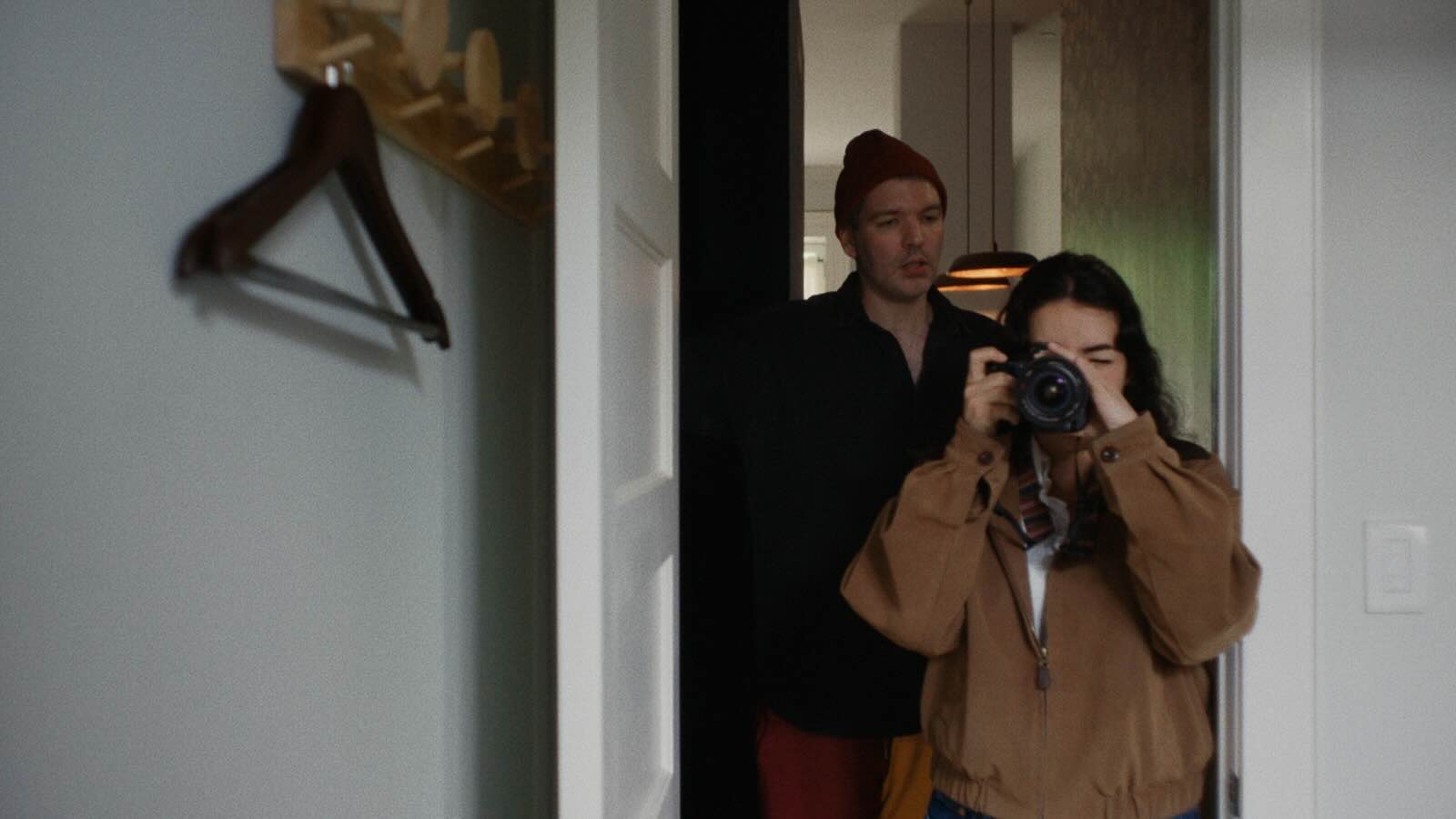
Film work, as films like these demonstrate so poignantly, is a slippery thing: cinema is an art and a business, a chimeric source of potential creative fulfillment and a grueling trade. Its all-consuming nature hides behind a seductively camera-ready glamour to which neither Angela nor Sofia has access from their position just outside the traditional frame. As the years pass, it’s refreshing to see that angle shift and films like these emerge, flipping the script and showcasing the more drudging elements of the art form. They’re not alone, either: John Wilson’s The History of Concrete is predicated on the acute challenges of independent documentary financing; Jane Schoenbrun’s Teenage Sex and Death at Camp Miasma examines an independent filmmaker’s struggle to maintain creative vision in the squeaky-clean face of big studio IP and its endless derivations. Still, there’s something particularly cutting about questions of time and its loss in the film world on the worker’s side of the lens— for the people who sacrifice the most hours to the only art that fundamentally preserves that very commodity in amber.
The mundane disappointments and quiet desperations on display in both films are nicely broadened in The Scout, which takes this kind of aching, work-induced time-slippage to its furthest logical conclusion. Children are a constant liminal presence throughout Sofia’s day, from a pregnant friend to a frustrated new father to an empty nester who misses her adult children. “I’m not sure I want to have kids,” she tells the older woman. “One of the things I like about your generation is that you have no sense of time,” she laughs in response. “There’s no time to think about time,” Sofia says simply. This is the trap the film captures with such vividness—a problem that can affect people in any industry, which the film highlights in a number of ways—but comes as a particularly bitter pill in the arts. “I try to have creative pursuits on the side,” she muses later, “but don’t ever have the time.”
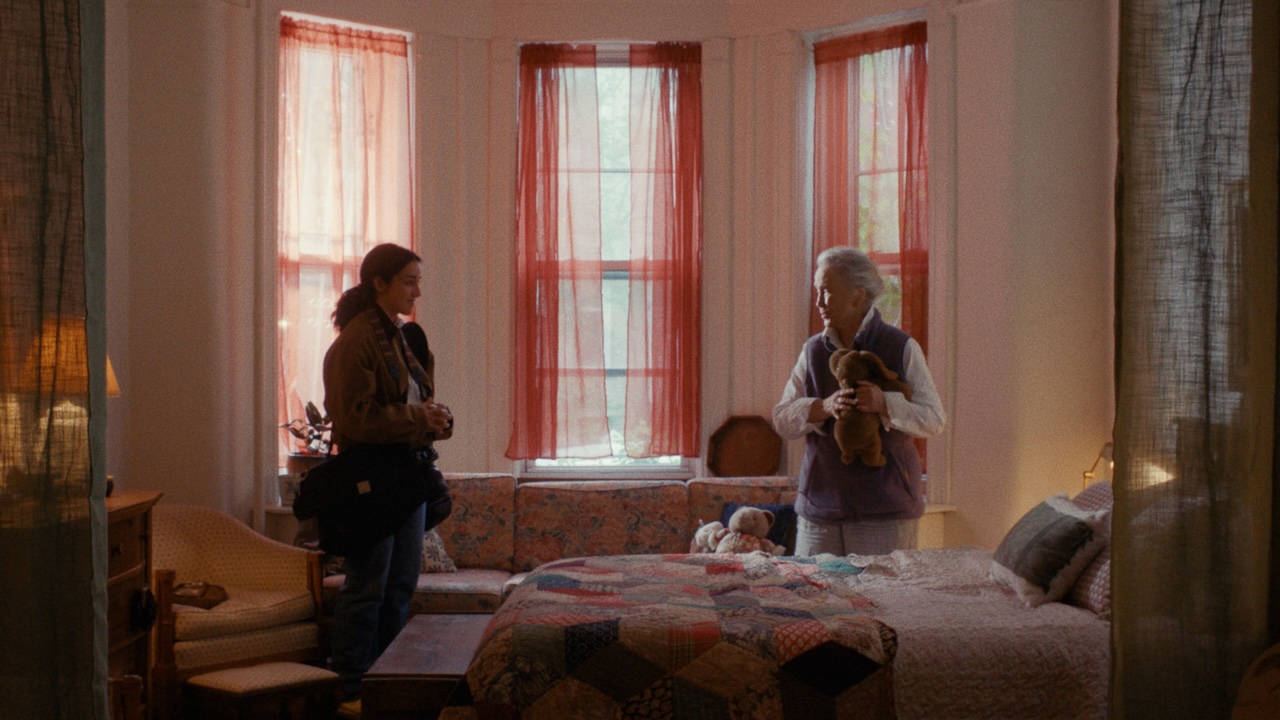
The Scout is currently playing in select theaters around the United States, including at Film Forum in New York City.