

Cyan Is the Last to Go: Brea Souders's "Blue Women"
Review
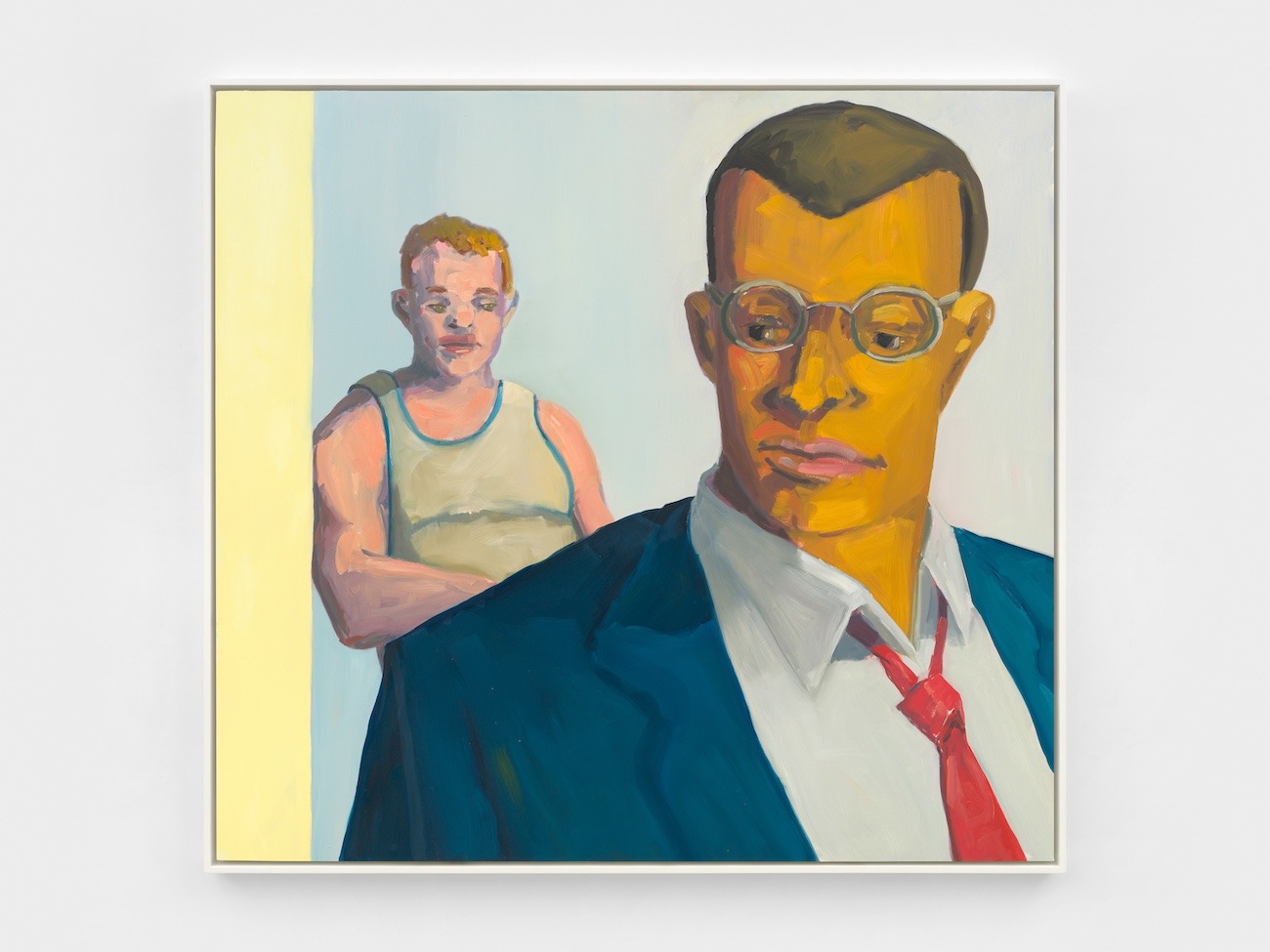
In every body of work, Steve Locke makes art that refuses to look away. His practice unabashedly explores desire, sexuality, identity, and violence—whether driving hardware through classical faun heads, painting fleeting moments of male intimacy and tests of control, or painstakingly rendering white supremacist murderers. Drawing from historical reference, his own experience, and the current moment, his bold and unflinching work confronts viewers with the reality that looking—at art, each other, or ourselves—is never a neutral act.
Alongside his studio practice, Locke currently serves as a Professor and MFA Co-director in Studio Art at Hunter College in New York. On the occasion of his solo show at Alexander Gray Associates, I said what I said, Locke opens our conversation with reflections on the work and the ideas that fuel it: American complacency and violence, constructs of race, masculinity, and the politics of looking:
Some of I said what I said has to do with the fact that I’m a child of a Black woman who was brought up in a time before the internet. Whenever I tried to get my mother to change her mind, equivocate on something, or persuade her to let me do something that I probably had no business doing, that was the answer I would get. It was also her reply when I came to her asking for her comfort after I’d gotten myself into the predicament she'd asked me to avoid. It means that it isn’t up for discussion anymore. Moreover, why are you asking me again and “acting brand new,” as kids like to say, nowadays?
I have been Black my whole life and a working artist for well over half of it. The ideas I thought about when I first started making art—belonging, portraiture, pleasure and device, violence, modernism—have stayed with me. They frame the ways I have investigated masculinity, queerness, whiteness, and other constructions of race. I have been gay for a long time, before the internet. Cruising was how gay folks met, a method of discerning between pleasure and danger.
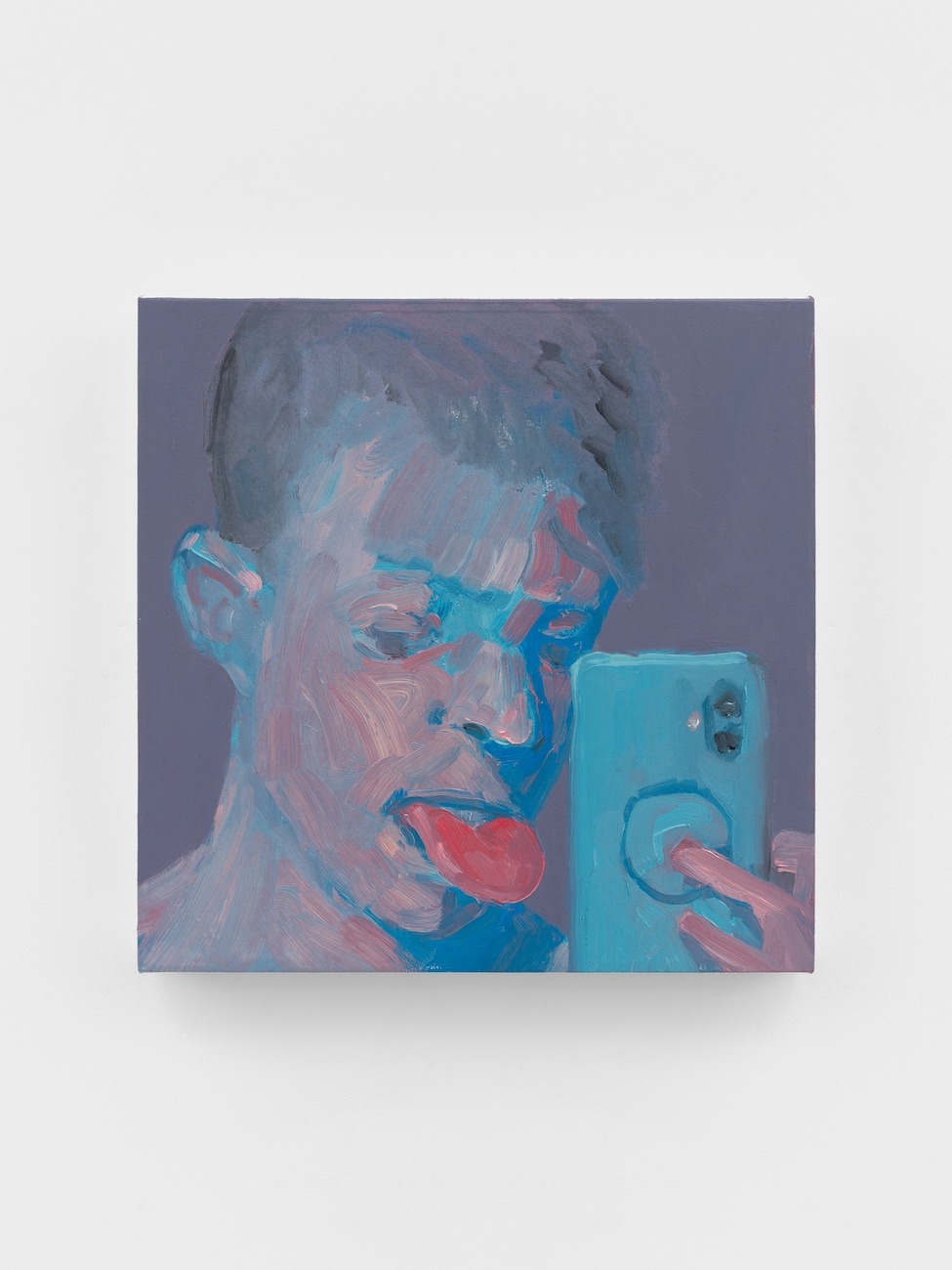
It's not only gay men doing the cruising. There are a lot of men who would tell you that they are straight who are looking at other men. The current phenomenon of men making themselves masculine, muscular, and powerful is interesting to me because they aren’t doing it for women; they are doing it for the approval of other men. When I first started painting the Cruisers (early 2000s–), people thought it was a gay thing, but at the time I said that men check each other out all the time. Now there is a whole internet of male influencers who make content about masculinity for men. Cruising and portraiture are about looking. Men look at each other with envy, desire, and pleasure, but they are also assaulted by the demands of masculinity and straightness.
In many ways, I am making work about this current moment: the violence, the connections between men, being backed against a wall, negotiating a legacy of violence. I meant it when I decided years ago that I was going to make art about my time. This show reiterates the vision of my artistic project: using painting to make you pay closer attention to the shared moment.
Parker Ewen: Speaking of the politics of looking, in your 2020 Artforum essay “Guston, Whiteness, and the Unfinished Business of the Vile World,” you wrote, "I wonder if people know that when they are talking about an artwork, they are actually talking about themselves." What do we lose when, looking at an artist’s work, we see them and not us?
Steve Locke: That Guston “controversy” showed that the attack on education in the US has been a roaring success. People are unable to look at anything more complex than an internet meme. Similes, metaphors, symbolism, allegory, synecdoche—all these ideas were once understood by people looking at images and objects. It was understood that art was a place where images, objects, and experiences had a function beyond entertainment, consumption, or spectacle. There is also the plainly nutty idea that art is solely about expression of the self of the artist. Seen in this way, art is barely more than the work of children, and its powerful ability to address the way the body senses reality is diminished if not destroyed.
Also, it has to be said that the work of non-white, non-male artists is almost always reduced to the subjectivity of the person, as if they are the spokesperson for “the” marginal experience. My work isn’t about me or my feelings. My feelings are private. I make things that engage a viewer and demand their time and attention. It’s my hope that they aren’t thinking about me when they are looking at my work. I believe my work is infinitely more interesting than I am, personally.
PE: You have also said that you keep teaching and your art practice separate. Is there any form of pedagogy in your creations?
SL: Teaching is not about me; it’s about the student. The only way teaching informs my work as an artist is that I have to be willing to exercise the same courage and criticality with my own work and studio that I demand from my students. That’s it.
Every artwork can have a pedagogical function. I am not making art to teach people, but that does not mean that a painting of mine cannot serve as a model for how to make art, be an artist, or be in the world. I think that is the nature of art.
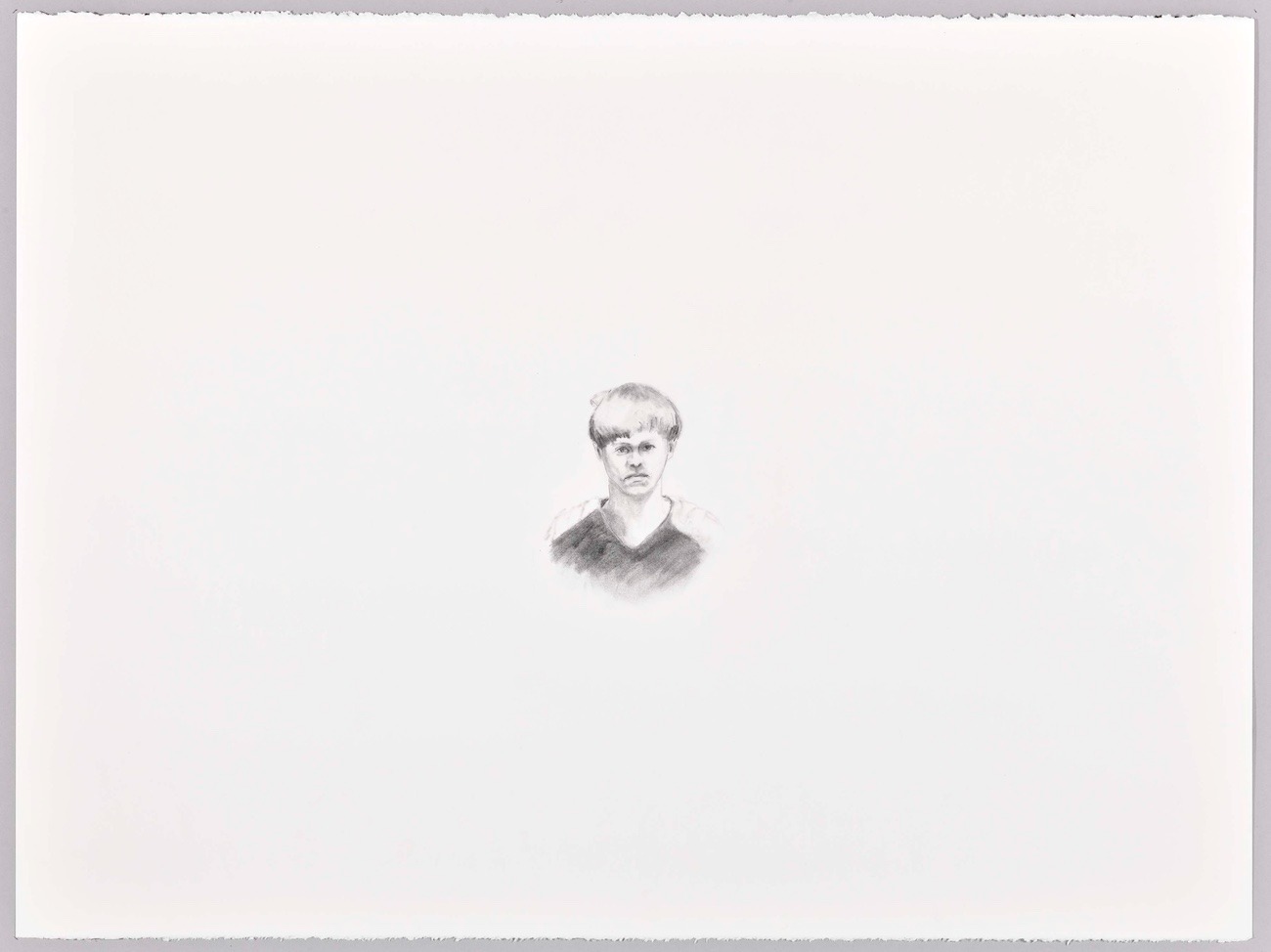
PE: You're somebody I admire for not holding back and being very upfront in your work, your interviews and panels, your social media. When it comes to creating work about racist violence and murder, how do you toe the line between trauma/shock and truth revelation? How can that restraint where the "spectacle of violence … is denied entry"1 actually lead viewers to more truth?
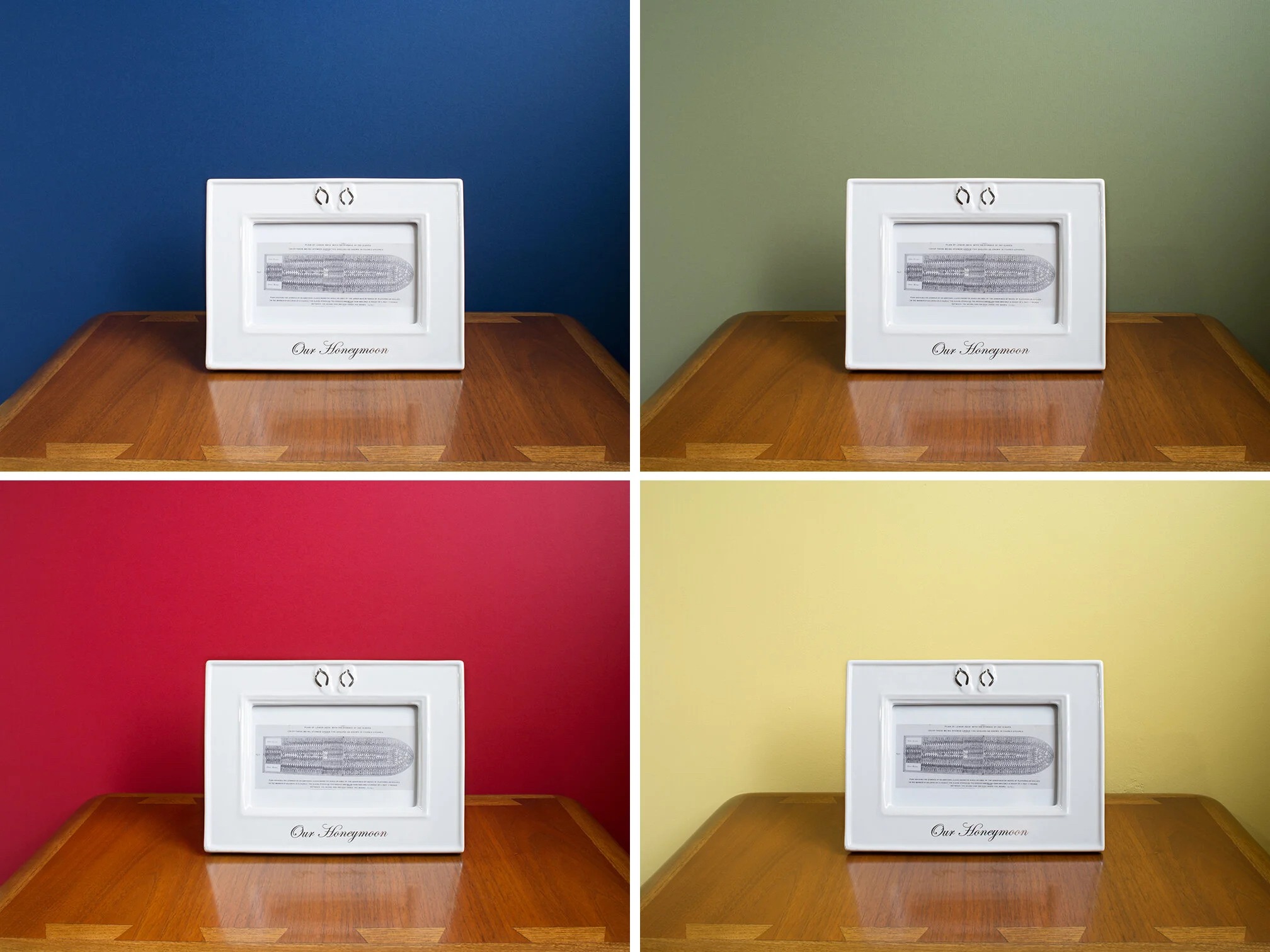
SL: Back in 2016, I made a work called Family Pictures. It’s my only photo-based project so far. In it, I said that America’s relationship to Black people has always been violence, and that violence has always been in the service of the creation of a domestic identity. Knowing that Blackness and queerness can result in life-ending violence provides the security promised by white supremacy. I have never shied away from the violence that is part of American life, especially as that violence has been meted out to Black and Queer people. What I refuse to do is to image the suffering of the victims of supremacist violence. In this country, the appetite for images of brutalized Black and Queer people is insatiable. We saw Eric Garner and George Floyd killed on television over and over. I don’t need to replay the horror of that. I can show you Daniel Pantaleo, though. His image and the fact that he is still alive and well are a stand-in for the horror that, for me, exceeds what can be done with an image of a victim.
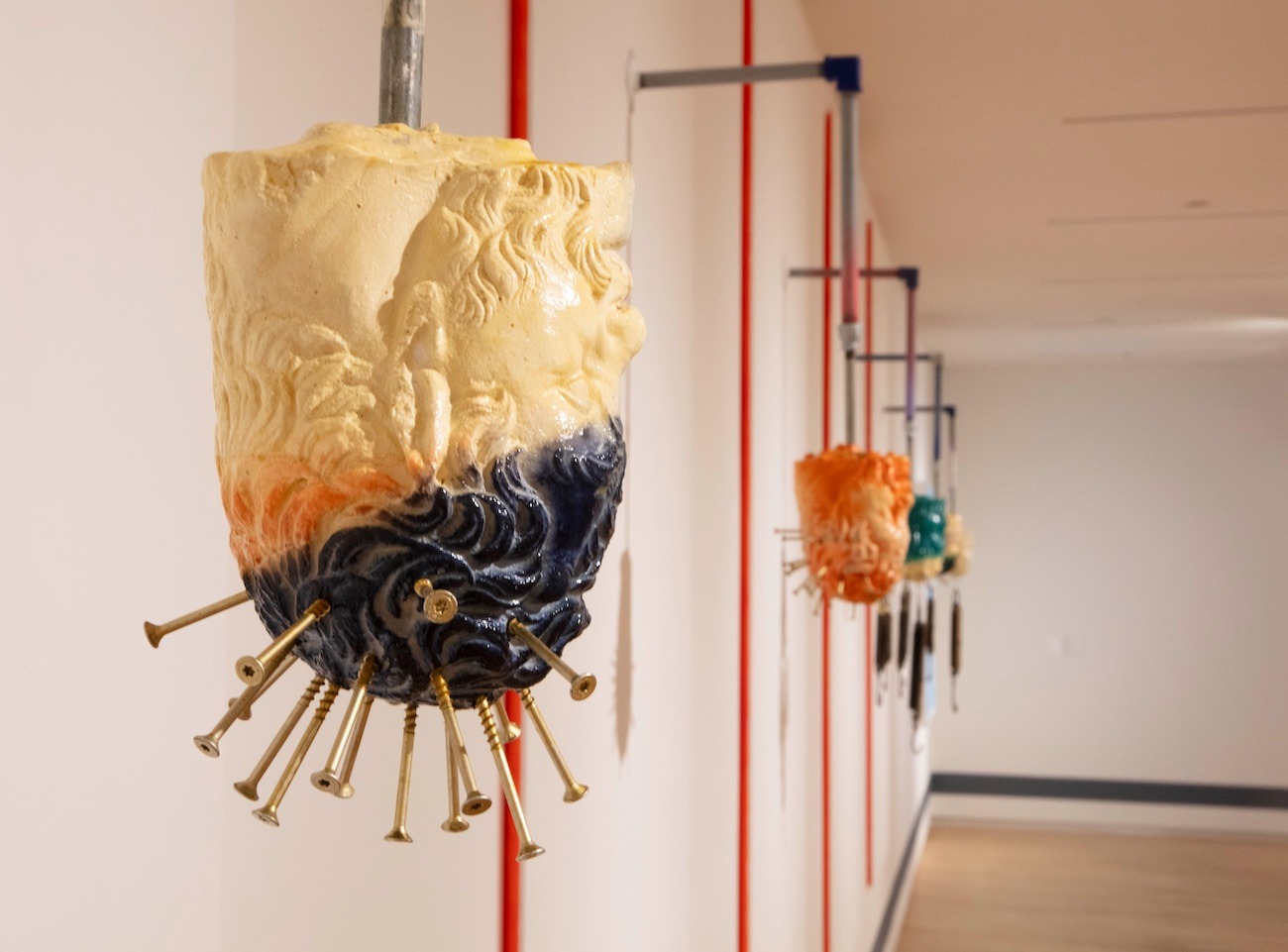
PE: In your recently published career monograph, also titled I said what I said, the origins of your satyr head motif are especially interesting. The hanging heads in signs 1-6 (2024) recall Titian's The Flaying of Marsyas (1570–76). When using this motif, are you invoking myth broadly: the Western myth of race, whiteness, and queer male sexuality (the rainbow sign [2024])?
SL: I like Greek and Roman mythology, and I claim it as part of my inheritance as an artist. The metaphors are rich. That faun’s head is an image of adolescent sexuality and a world without Christianity. I used it as a stand-in for my younger self in a body of work called The School of Love. In the MASS MoCA show, the fire next time, it was the non-conforming queer persona. It is the spectrum of sexuality in the rainbow of the rainbow sign. They are warnings in signs 1-6. So you are right, I am invoking all of those associations and adding Nkesi figures and plumbing and all the other associations one makes with conduits, ropes, and chains.
James Baldwin is one of the greatest writers and public intellectuals this country has ever, or will ever, produce. His writings are a touchstone of my life in the same way that Shakespeare is a part of every British actor. When I was working on that MASS MoCA show, it was before Trump’s re-election. I really believed people when they said that they would not vote for him. I thought it was going to be a show about what we had avoided as a country–a coda to the warning Baldwin issued in 1963, the year I was born. Instead, it turned into the roadmap for the current moment: violence against trans people, murder, lynchings of Black folks dismissed as suicides. Baldwin may be gone, but he could be writing about right now. His work is about right now.
PE: In reading Craig Drennan's writing on objecthood in your monograph, he goes into the history of Caravaggio's David with the Head of Goliath (1610)—the possibility that Goliath's severed head is modeled after Caravaggio, and David after a younger Caravaggio or his lover. How do your disembodied heads blur the line between the lover and the narrator, or the artist and the subject? How does stripping away the body, focusing just on the face and eyes, strip men down to a different kind of vulnerability than the usual nude figure does?
SL: I like the idea of a stand-in for the artist. I think an artist should be willing to do to their own image what they will do to someone else’s. Driving the nails and screws into the faun sculpture was very much about the viewer asking, “Who did that to this?” And likewise, with #killers (2017–19), disembodiment is one way the viewer is forced to ask, “Why would someone make such a complete image of Dylann Roof?” It means something that I am the descendant of enslaved people on both sides of my family and I am the one drawing these white supremacist murderers.
PE: What refills your well of inspiration? Who are some artists you are consistently looking to right now and historically?
SL: I don’t really get inspired. I can say that I am looking at a lot of art all the time for my job. What do I find myself returning to again and again? The Met: Galleries 771, 810, 616, 614, 995, 340-354, and 450-464. IYKYK.
This interview has been edited for clarity and length.
Steve Locke: I said what I said is on view at Alexander Gray Associates from October 30 to December 12, 2026.
1 Evan Garza, “Form & Meaning: He Meant What He Said When He Said What He Said: A Portrait of Steve Locke," in I Said What I Said (Mass MoCA ; DelMonico Books), 29.