

.webp)
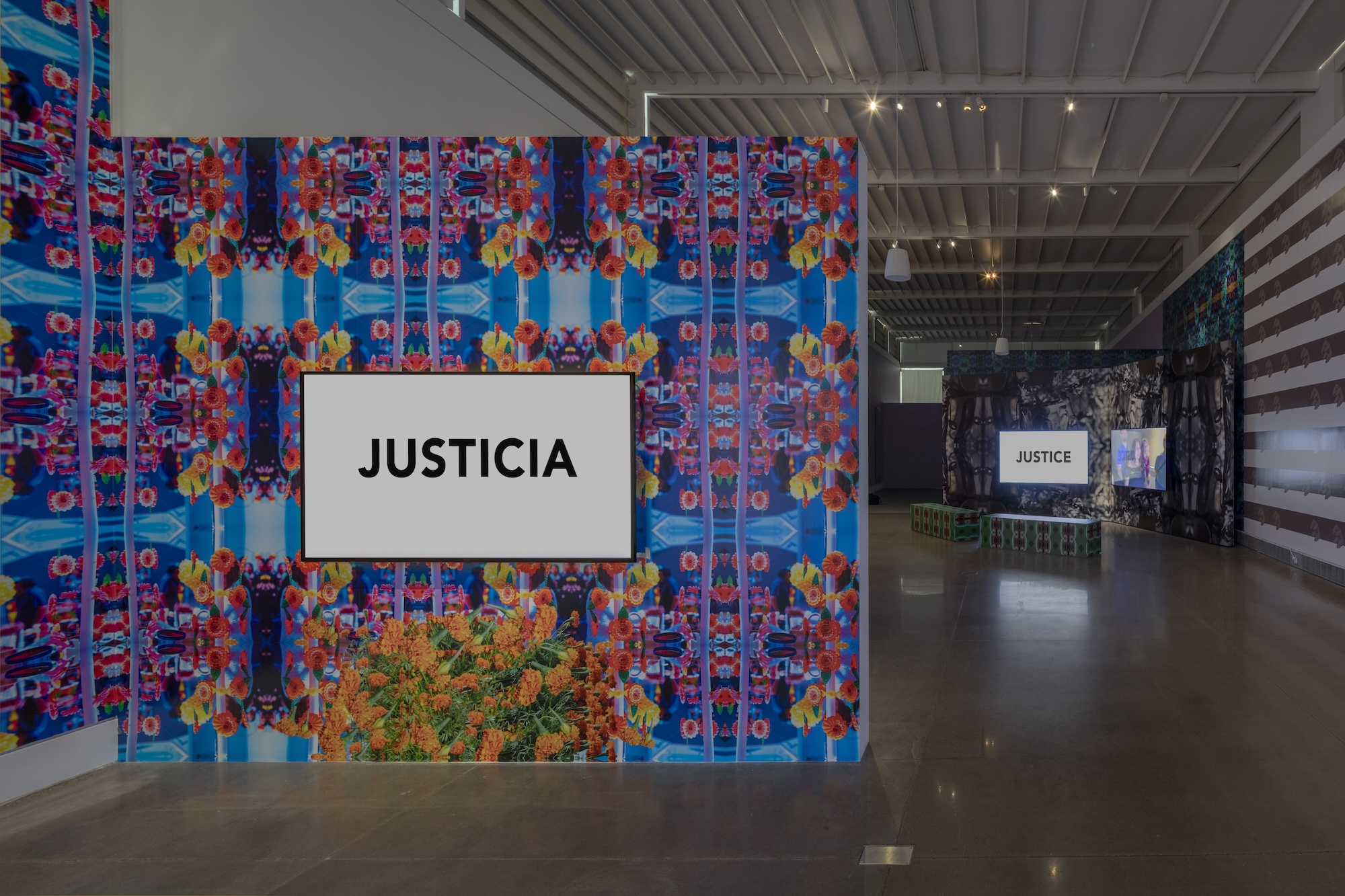
Sonia Boyce: “Demonstrate” at the Queens Museum
Review
Jieun Cheon (b. 1995, South Korea) creates work that seemingly belongs to another world. Though she considers herself an installation artist, her practice encompasses intricate drawings, paintings, and sculptures, which she assembles in environments at once “uncanny” and “unfinished.” Cheon probes the limits of human understanding and the vastness of the universe. There is distance between the two, and Jieun accepts and explores that distance with fanatical ambition.
Jieun and I overlapped for a year in graduate school at the School of Visual Arts. Our practices were in clear conversation with each other—we both came in with technical skill and were looking for new methods of depicting the figure. In school, we helped each other grow, learning from one another and competing just a tiny bit.
We met in my studio—and after a bit of gossip—discussed religion, obsession, labor, and craft.
Will Maddoxx: Hi Jieun! I’m so excited to talk to you and gush about your work.
Jieun Cheon: I’m so excited too!
WM: I see you as an expert in technique. The draftsmanship in the piece that showed at ArtCake, The Anti Fractal Map (2025) is wild. Then I look at the piece Calendar of the Permutations of 1000 Arms (2025) and I’m stunned by the gorgeous paint handling.
JC: I appreciate it, and I’ve loved to see your work grow over the last couple of years. It seems like you’ve always had an interest in flesh, but there was a change at some point where the flesh became more living than decaying. What spurred that?
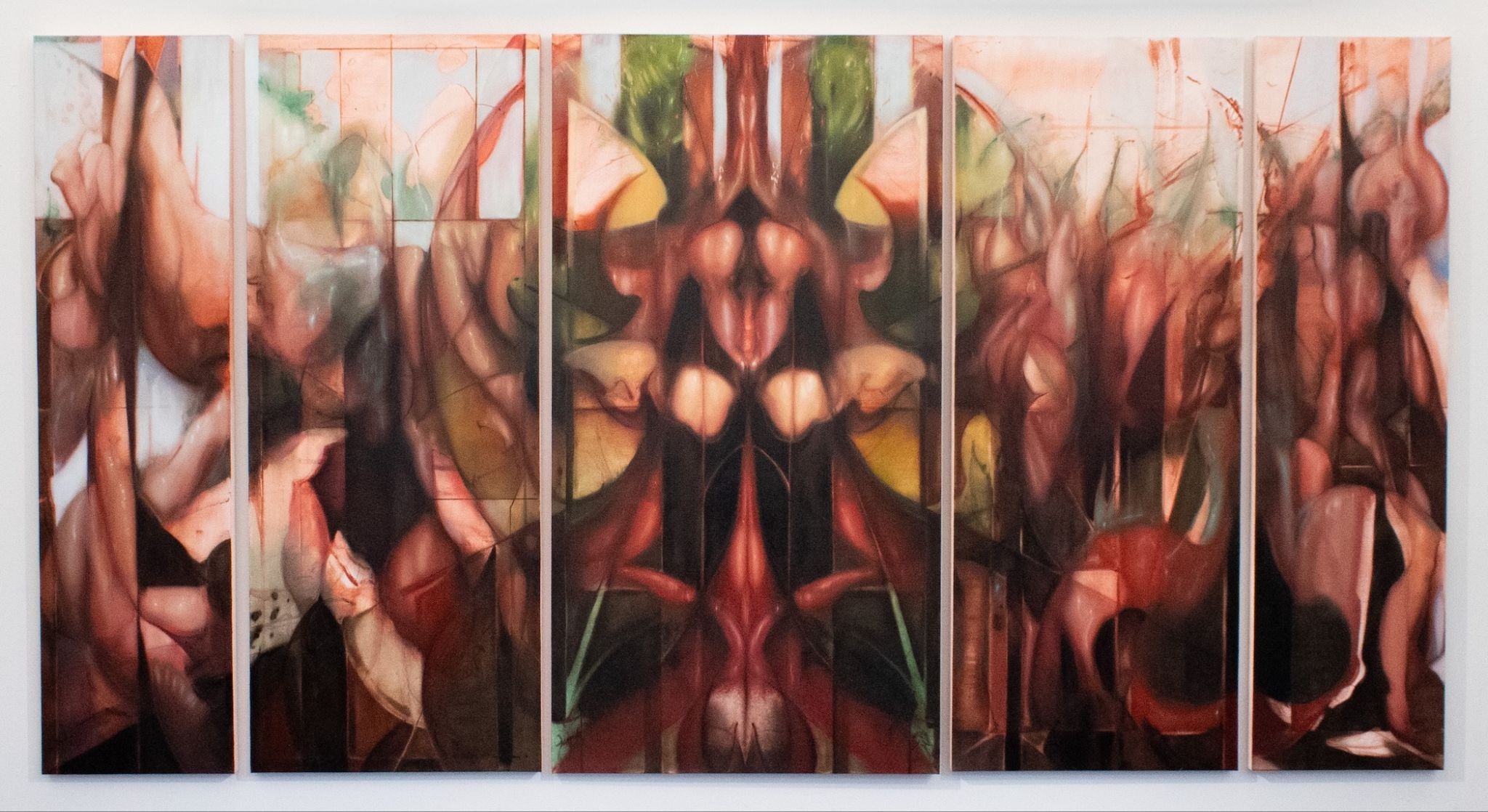
WM: Honestly, I think I started to take myself seriously as a painter. I made drawings for a long time and never really thought of myself as anything else. I had trained in oils and for some reason preferred acrylic paint for the longest time. Soon after we met I swapped to oils, which automatically make flesh come alive in a painting. The glow of an underpainting and the visible layers of a canvas lend themselves to my practice, too. I think a lot about interior and exterior—people really crave interiority and I think we place a lot of value on artists who rip themselves open for us. Also, I don’t know, I could’ve just been depressed when I was making the older work.
Looking at your work, I tend to feel like I’m seeing a system. I think there’s a way that information and aesthetics get organized in your work that feels very premeditated and considered. Does that resonate?
JC: For sure—I think the same could be said about your work. I worry about it, though. It takes me a long time to consider an idea before I execute it, and I worry about the practicality of having enough to show, and selling the work.
WM: That totally makes sense. I think you have to just make the thing you need to make, no matter what. I’ve had the thought that I wish I could live for 1000 years so I can make all the paintings that I want to make. The lifespan I have doesn’t feel like nearly enough for what I have in me. I’m sure you feel the same—you’re spending two or three years on these pieces! You’ve only got, what, 30 pieces left?
JC: [Laughs] Yeah, and you know what? I’ll spend two years on a piece and I still wanna go back and change things. Some part of me always wants to do more. You’ve done a lot. I was looking through your website at some of your older work…
WM: Uh oh. My undergrad work? [Laughs] I’m sorry you had to see that.
JC: [Laughs] I find it really interesting, genuinely, the way you brought together so many references. There’s so much death, and you were bringing the Bible into each work through your titles. The way you treat the body, too—there’s something grotesque and beautiful about it.
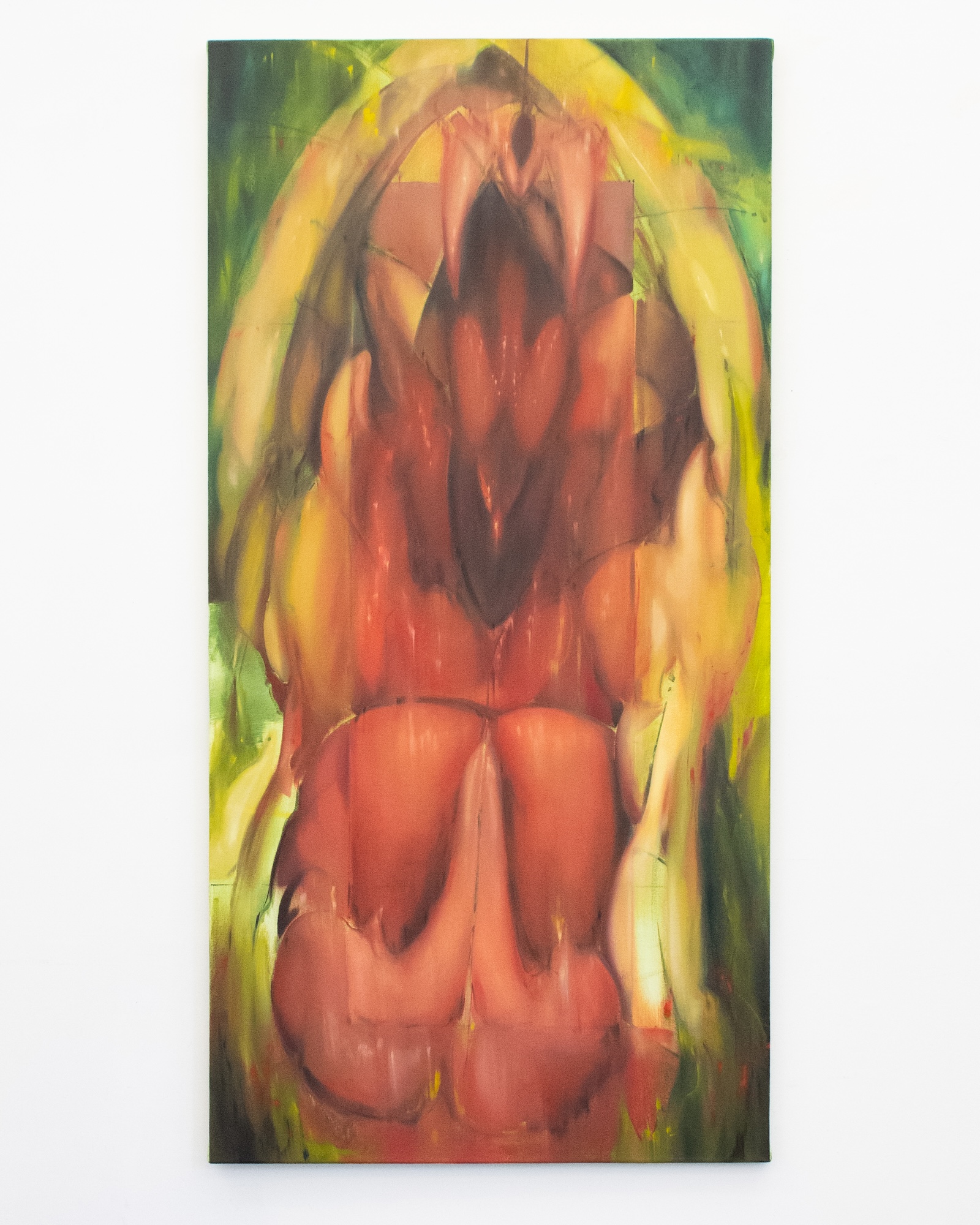
WM: Absolutely. I think often about seduction and repulsion when I paint. Art, generally, is a game of attention, and I enjoy the play of pulling someone in with something beautiful and pushing them away with something disgusting. There’s something satisfying about seeing something that repels you a bit; I don’t know, I need to read more Bataille.
JC: Yeah, your paintings kind of remind me of Venus flytraps. Even without you explaining it, that tension between seduction and repulsion comes through very intuitively. I also feel it in the organic forms—the flesh, the plants, and all those textures. There’s something grotesque about them, but at the same time, they feel incredibly alive and seductive.
WM: Oh, this is high praise for me. I think it’s something we share! The craft of your work is immaculate, and I know that it draws people in, but the labor can be unsettling. Seeing how laborious these pieces are, I start to think “Oh, this might’ve genuinely pained Jieun to create.” I guess it’s the thing that pricks me as I sit with your work. It’s lovely. What drives you to do that?
JC: I think part of it is that I’m drawn to the kind of intensity I see in religious art. I’m not religious myself, but I’m fascinated by how much attention goes into giving physical form to something that ultimately comes from belief.
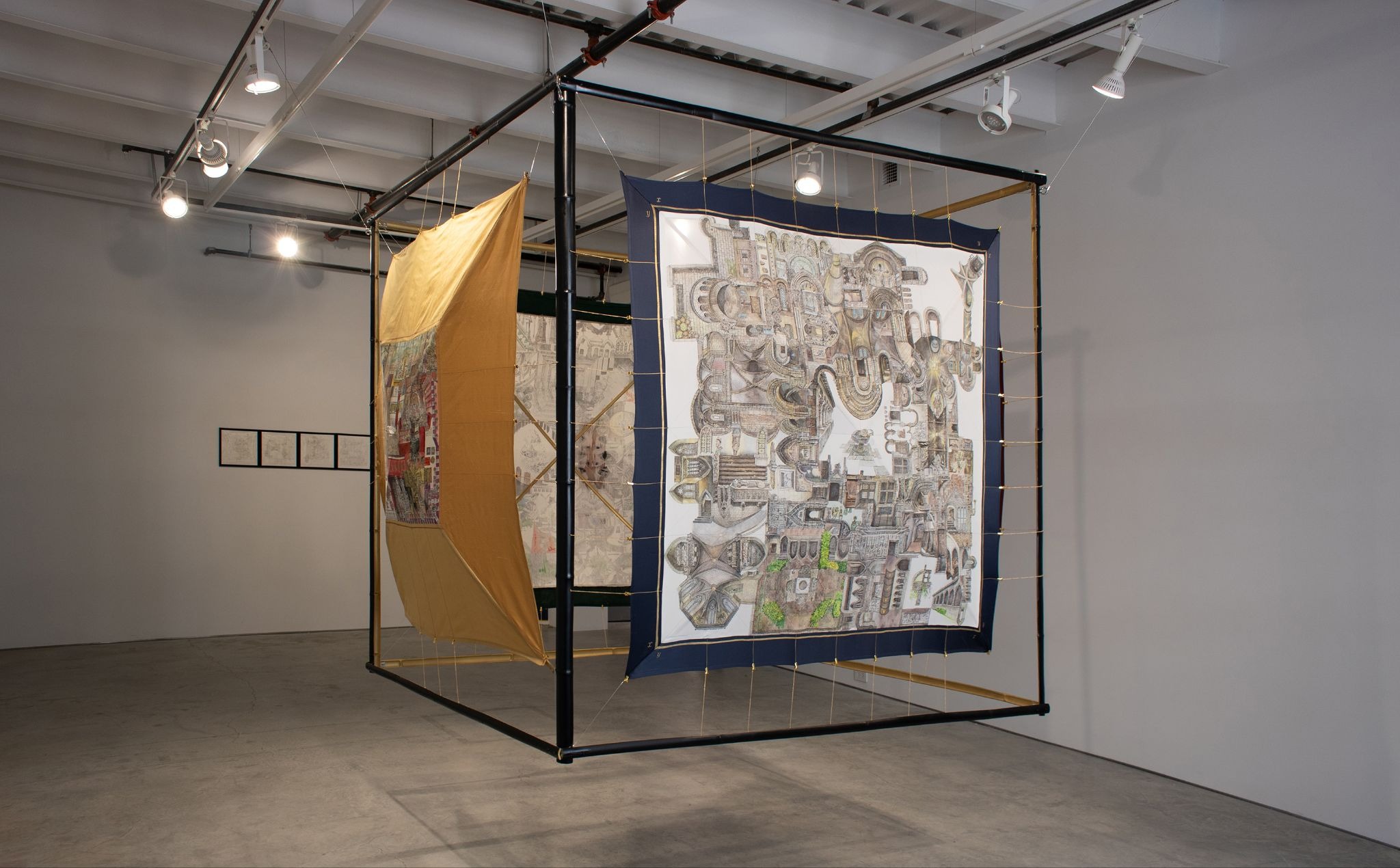
In my own work, I take apart elements of religious mythology, imagery, and architecture and combine them with mathematical structures and references from science to create a fictional mythology. As I’ve developed this fictional world, I’ve started thinking about the basic systems that structure it—how time or space might work within it, how its terrain might be formed, or even what kind of calendar it might have. Each project explores one of those systems and gradually becomes another part of the world. Underneath all of that, I think I’m really curious about belief itself—how people come to believe in something, and how we create systems to understand or give meaning to things that are beyond our perception.
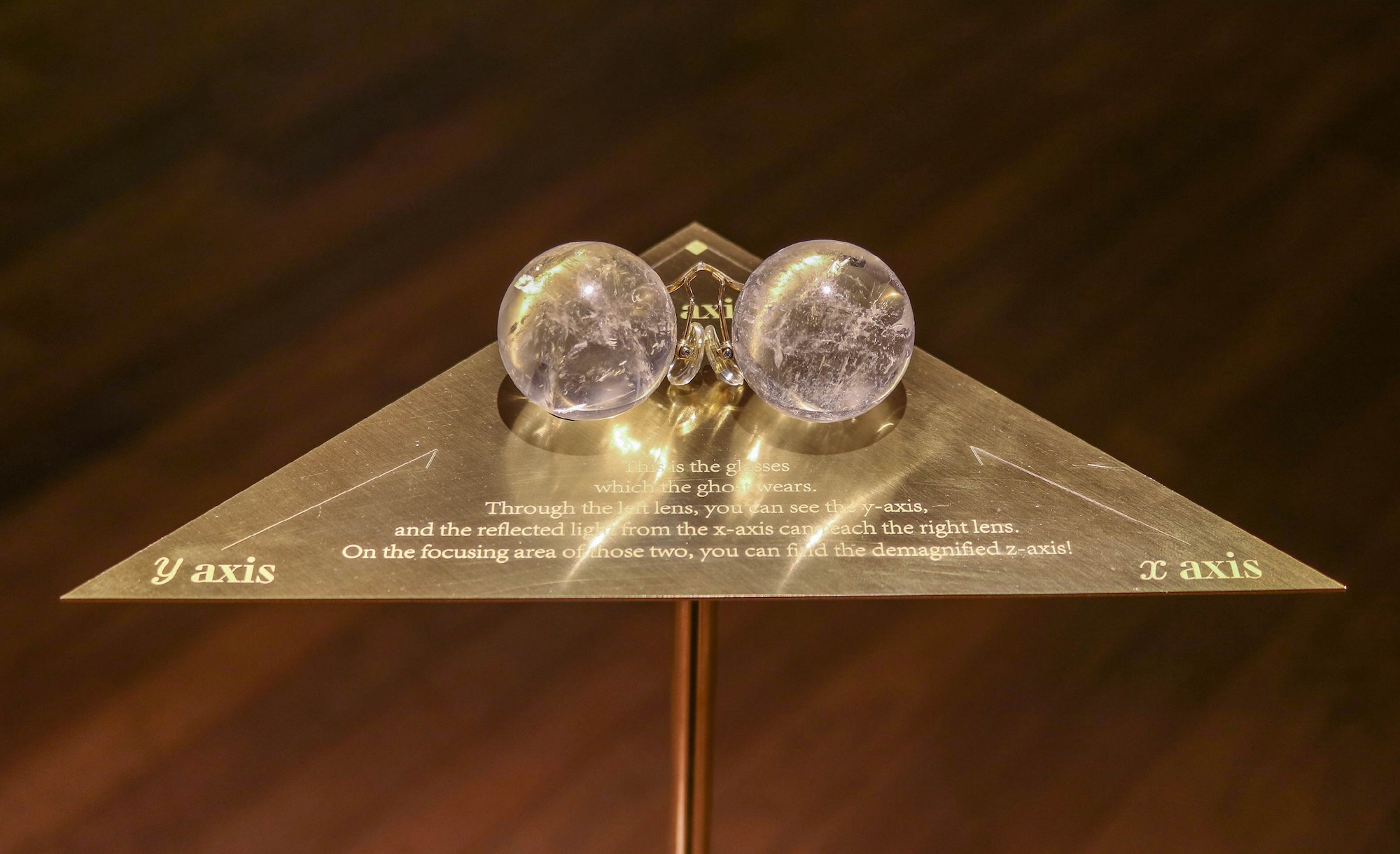
WM: Yes! I love that! I’ve been thinking about this so much. I feel like the art market is in such a terrible state right now, and it has a lot of people who are deferential to capital, questioning why they’re making the things that they make. Systems of belief are so important to understanding this—I think art is just a thing that humans do to make sense of everything. We’re just dropped on a rock in a void, and we have to find meaning. Some people go to religion or spirituality, and some people genuinely live for the accumulation of capital. Artists make meaning through the things they create, and it’s how we start to understand the world around us.
JC: That’s definitely true for me. Maybe the reason I keep creating systems is also my way of trying to understand the world. We can never fully understand the world, but we still try to find patterns and rules within it and create some kind of order. In building my own world, I use structures from mathematics and science as a way of creating that order. Fractals are one example. Nature can look incredibly complex and chaotic, but with fractals, you begin to see repetitive rules underneath. I’m interested in that contradiction—the feeling that you might be able to understand a complex world through a set of rules, while knowing that you can never fully understand it.
WM: Did you see the Duchamp show at MoMA?
JC: Oh yeah.
WM: I was completely blown away by the diagrammatic work, which I could see having a lot to do with your practice. You can see, especially in his plans for The Bride Stripped Bare by her Bachelors (1915–1923), that he’s trying to create this mythology. Everything is something else, and in these diagrams he’s using geometry and spirals to bring order to a work that ended up being total chaos. I feel like it goes back to that thing of making meaning; it’s just what artists do.
JC: That makes sense. I can definitely see the connection, especially in the way he builds a system or mythology around the work. What’s interesting is that the comparison makes me think about how much I rely on drawing, painting, and sculpture to give form to the systems I’m building. I’m interested in how an idea changes as it moves between those different forms, materials, and processes. I think that’s also why I’m drawn to work where you can sense the process behind it. It’s important to me that an idea doesn’t remain purely conceptual, but takes on a physical form through the choices and traces that accumulate in the process of making. Maybe that’s also why I’m so drawn to the intensity and devotion I see in religious art.
WM: It’s like their fanaticism allows you to step into that religious mindset for a moment.
JC: Yeah, I love to see the intention put into each detail of a sculpture. The compositions, color variations—there are so many minor calculations made in religious works, and they give them so much strength. I think that’s something that needs to be kept up and appreciated.
WM: For sure. Whenever I see older paintings that were labored over for months or years, it scratches an itch that nothing else does.
So, you’ve been in this residency at ArtCake for four months. How has it been?
JC: Freeing, peaceful. The studio space is really nice, and I’m making work that I’m really excited about. I’m learning a lot from having different kinds of artists around me. In school, it’s obviously all emerging artists. It’s been nice to see how someone who’s mid-career goes about building their career and sustaining their practice.
WM: That’s amazing, Jieun. Thank you so much for talking with me!
JC: Of course! Thank you, Will!
This interview has been edited for clarity and length.