%2C%20dir%20(2).%20Brydie%20O%E2%80%99Connor%20-%201.jpeg)
.webp)

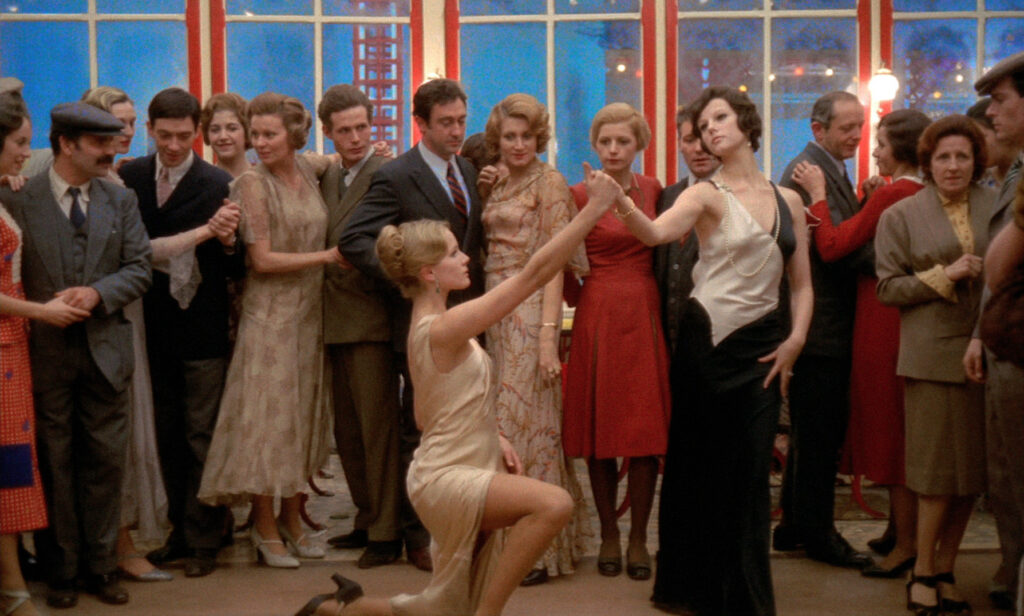
"The Conformist" (1970) dir. Bernardo Bertolucci
Review
“I can’t get out of the way of my own history,” experimental lesbian filmmaker Barbara Hammer voices with self-assured sincerity what feels like the core of Barbara Forever (2026), the immaculate directorial debut from documentarian Brydie O’Connor. Hammer is a filmmaker who grew her life and body into art. Barbara Forever wants to follow Hammer’s lead, growing its protagonist into an unusual kind of history, a history that can’t be stopped, one that breathes and changes and lives even after its subject is dead.
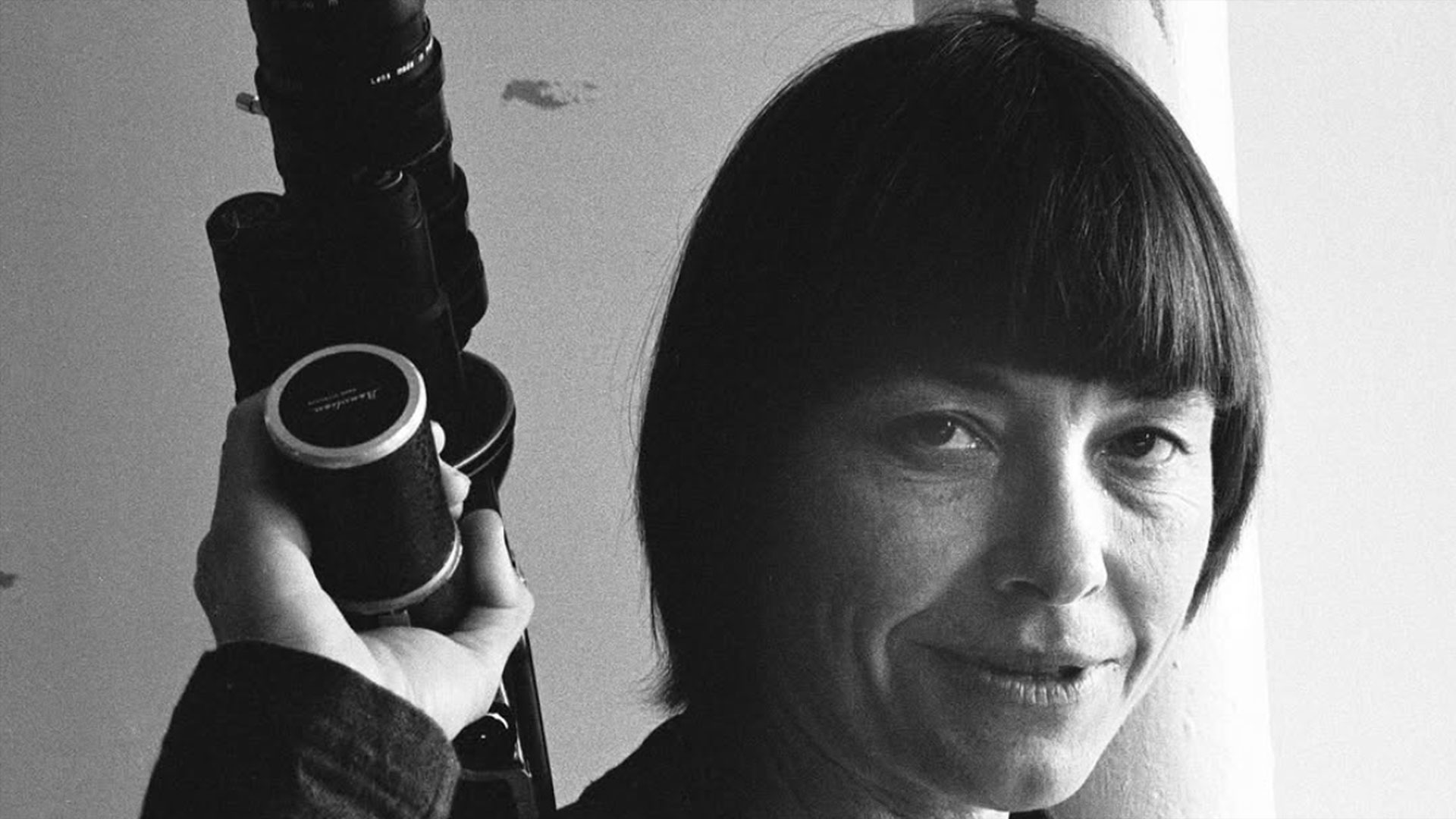
At its simplest level, Barbara Forever serves as a primer on Hammer’s career. Hammer, whose voiceovers largely narrate the documentary, began creating work in the 1970s at around 30 before she knew the term lesbian. Her films primarily center the naked female body, showing it in nature, in motion, in daily life, on its own and entwined with other bodies. Hammer built an enormous oeuvre; she believed creating a near-unignorable catalogue was the only way to gain ground in an art world that showed little regard for the importance of lesbian perspectives. Eventually, she became one of the first openly lesbian artists to show at the Whitney Biennial. And from 2006 until her death in 2019, she lived with ovarian cancer, using her experiences with the disease to add yet another deeply felt dimension of body exploration to her tender, clear-eyed, “life-affirming” practice.
A few years before her death, the Beinecke Library at Yale acquired Hammer’s archives, one more major milestone in her career. This event serves as a loose motivating occasion for the documentary. It also raises interesting questions about archives and history that froth beneath the film. Does an archive contain one’s career too neatly, limiting the vitality of an artist’s work? Is there a better way to keep an artist’s output mutable and alive? One of Hammer’s solutions was to invite other artists to use her outtakes to create new projects, allowing her essence to be reanimated and changed. But does that truly prevent her history from becoming static?
Hammer gave future artists much material to work with. Since she picked up her first Super 8 camera, it seems as if she recorded every moment of her life. She filmed first dates and chemotherapy appointments and conversations with almost anyone. And it is all compelling to watch, especially now in a time when it’s become banal to record every moment of one’s life. But somehow when Hammer does it, it feels thrilling, even generous. Perhaps this is because she seemed so certain that her story was worthwhile. Or because it really does feel like the camera was a natural extension of her body. Either way, O’Connor does a beautifully measured job of weaving together how film became the most wholehearted method for Hammer to share herself with the world.
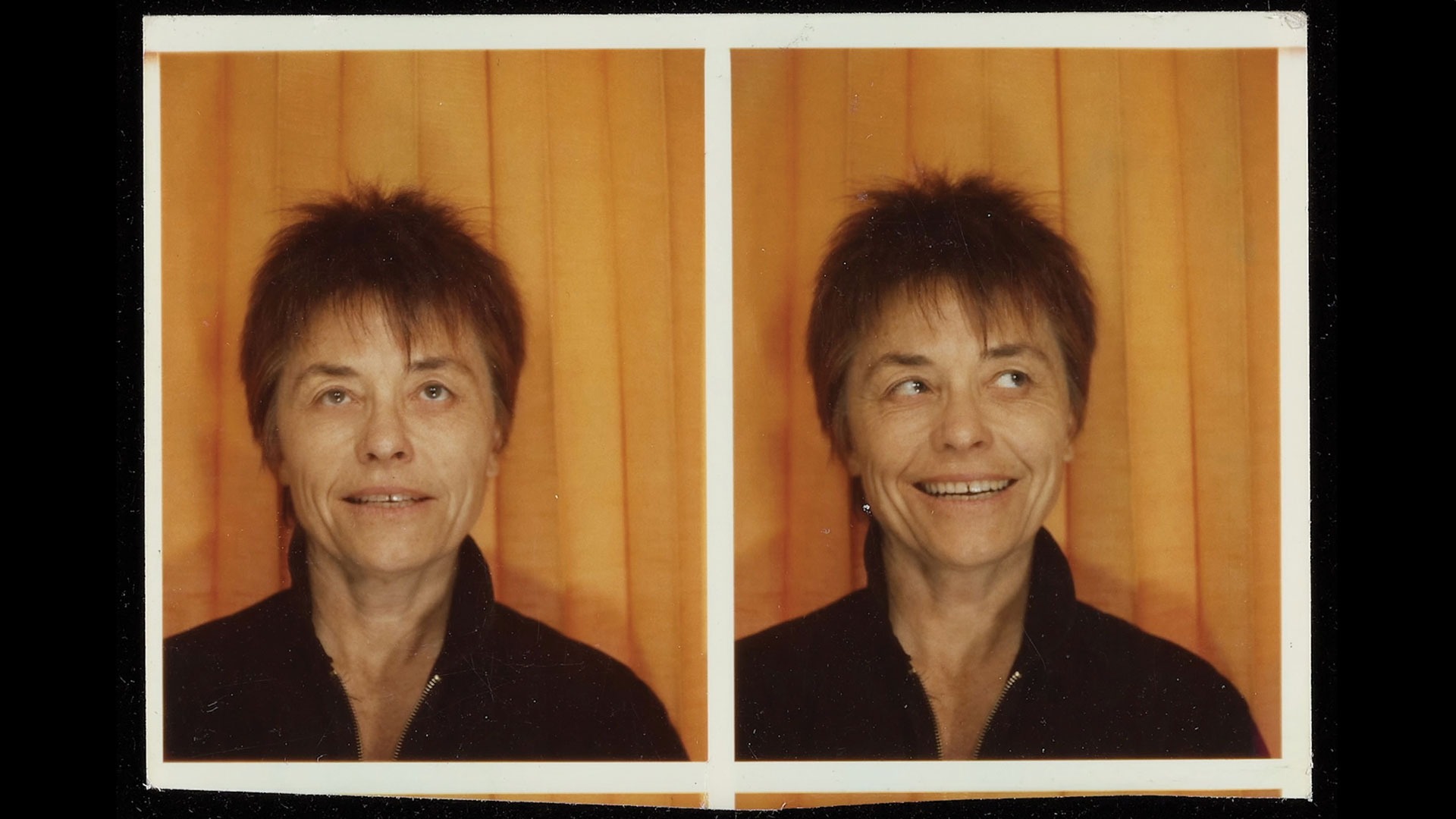
The documentary uses no talking heads—a subtly risky choice. In addition to the scores of Hammer’s archival footage, O’Connor includes only interviews with the artist herself and her partner Florrie Burke (once camera-shy but now eager to participate in the expansion of Hammer’s legacy). Yet when centering a subject so keenly aware of the institutional and critical approval needed to integrate her community into the art world, one might have thought it necessary to include an art historical voice to contextualize Hammer’s importance. However, this omission becomes part of the film’s beauty. Hammer’s voice rings so clear, and O’Connor trusts it so completely that any addition would’ve felt tantamount to a dilution of the worth they place in personal truth.
While Barbara Forever triumphs on many levels, it is perhaps most exciting as a secretly anxious film. Partly obscured by Hammer’s warmth, tenacity, and hippie origins, there’s an underlying pressure in this film to do more than introduce the artist to new audiences. O’Connor seems to feel an imperative to keep Hammer alive, to make her fleshy again. She shapes Hammer’s work and story into a quietly propulsive package, akin to the Voyager Golden Records shot into space to be explored by whoever happens upon it. But for Hammer to continue to evolve, to exist beyond an archive, more and more artists need to take up her work and carry her into the future. Or so seems Hammer’s ambitious, beautifully self-confident logic. Barbara Forever succeeds in making the case for Hammer as ever-resonant, presenting her as a star with enough energy to fill countless lifetimes of creativity, both hers and many others’.
Barbara Forever is currently playing in select theaters around the United States, including at Film Forum in New York City.