.jpg)
"Genuine Fake Premium Economy" at ICA London
Review
In addition to “AI apocalypse," other super trendy buzzwords of 2026 are “affordable,” “transactional,” and “relational.” By nature, the experience of art is relational (i.e., the viewer to the artwork), yet we live in a capitalist society where transactions (aka sales) and metrics (price) often drive decision-making and behavior—maybe too much so.
At the core of the art world, and even the art market, there is a core belief that the real value of art goes beyond price. The heartfelt sentiment that a work is “priceless” sums up the paradox nicely. We might understand value as “market value,” but art also carries emotional, aesthetic, cultural, heritage, and embodied or objectified value (an element of Pierre Bourdieu’s concept of social capital, making ownership of art a status symbol). Furthermore, the art world has an exclusionary price mystique around it and operates on a scarcity model: “Oh that piece is so unique,” or “there’s no inventory by this artist left.” Well, drat, I’ll have to try again next year or on the secondary market. In a joyous and welcoming counterpoint to that transaction-as-status-symbol buzz is the Affordable Art Fair (AAF).
And, pow, right in the kisser, the name itself addresses and puts a crack into the elitism of “if you have to ask, you can’t afford it.” Entry ticket prices to the fair start at $35 (one of the cheapest I’ve seen in recent years for any fair), and with artworks priced between $100 and $12,000 (in hunting for that actual $100 price point, I did find a few things), you can walk away from the fair with a piece of art that might cost less than a night out in New York City.
The AAF is similar to other fairs in many ways: 76% of the galleries are based outside the US, and the fair's director has put together some special sections. At the AAF you’ll find a fellowship program featuring an emerging gallery. For the fall 2026 New York iteration, the featured gallery, Collective Z, is showing a selection organized under “Camp Z.” There’s also an under-$1,000 area organized by the AI curatorial platform Cohart and a booth dedicated to the Art Gowanus Fellowship Program, where works by “low-income, upwardly mobile” artists and their mentors are shown.
What I haven’t seen at other art fairs before, in terms of programming, is family activities and workshops for children, since you are never too young to begin enjoying art. Entry tickets for two adults and two children are $60, complete with a scavenger hunt, making this an inexpensive family activity. There is also a workshop by CITYarts’ Pieces for Peace project that asks, “What does peace look like to me?” Personally, being the old kid that I am, it’s no surprise that the bit of programming that really excited me is the quiz “What Kind of Art Collector Are You?” created in partnership with FIT, and with your quiz results comes a list of personalized gallery recommendations. So I went there first…
The quiz’s creators are students in FIT's MA in Art Market Studies department. Calling themselves “The Collector’s Studio,” Jessica Cronk, Analiese O’Leary, and Livia Smolizza created the quiz in response to their own experience of going to an art fair and not knowing where to start. The quiz asked about my aesthetic preferences and what I might want in my home. When it came to the question of what my relationship with art is, none of the options seemed right, and I offered up another: It’s complicated. My results came with a postcard offering guidance on engaging with galleries. Taking the quiz at its word, I decided to use my results as a starting point for navigating the fair and headed off to see “The Sculptural Galleries,” as my card suggested.
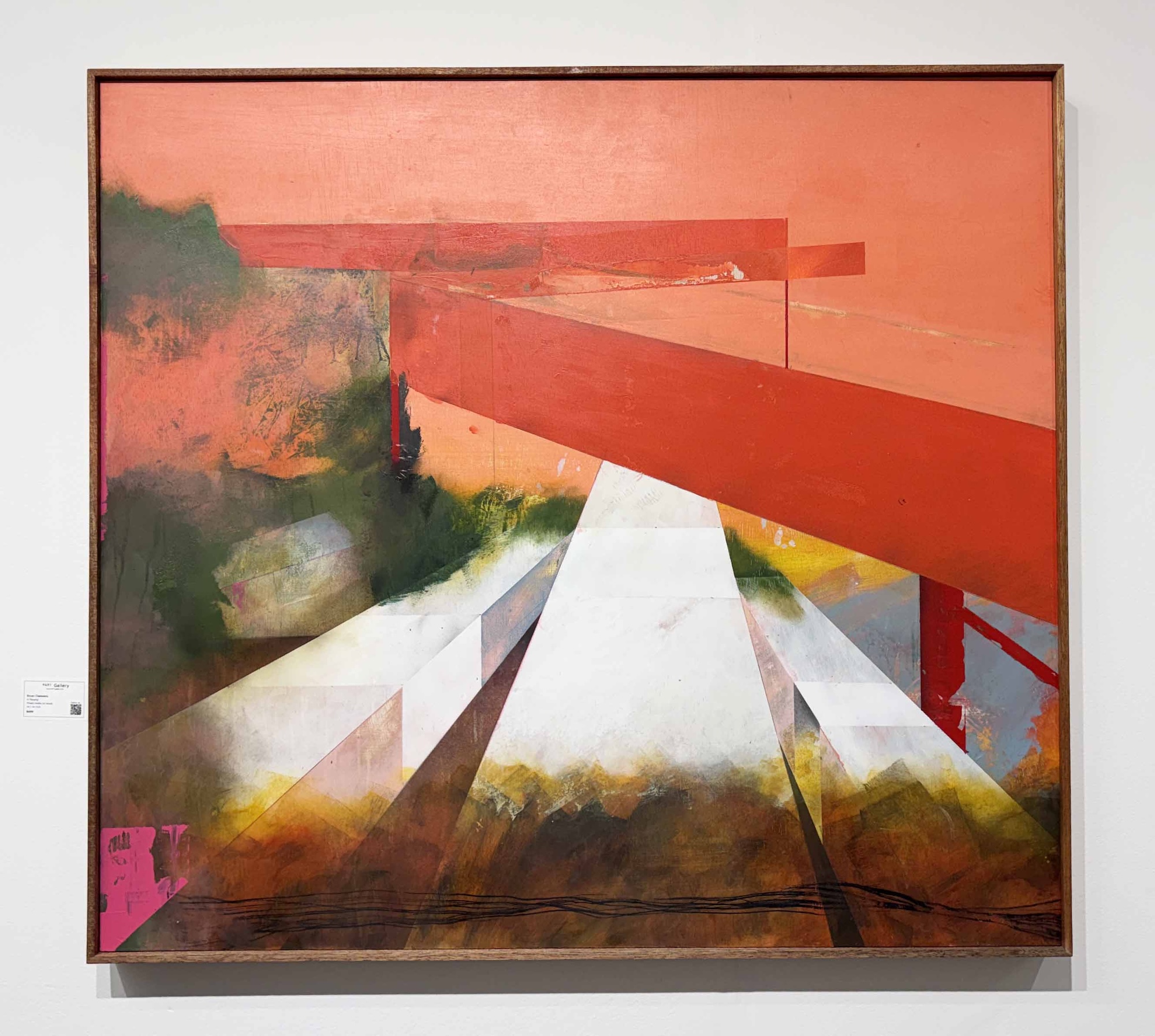
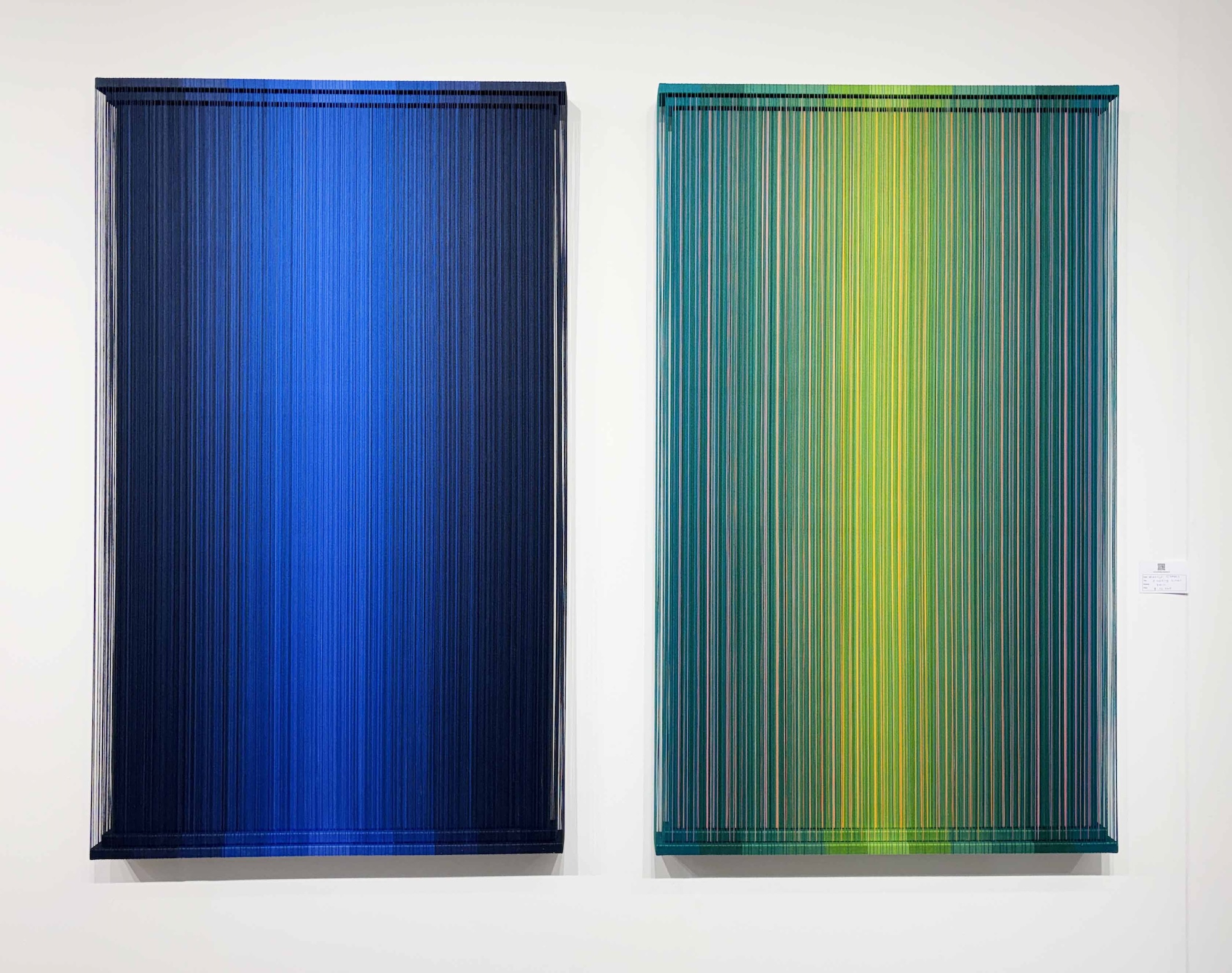
A few things caught my eye from various international galleries, with works at different price points. On the higher end, a gallery from The Hague called Chiefs & Spirits showed captivating images by Cameroonian photographer Angèle Etoundi Essamba, whose works have appeared at the MoMA, and colorful yarn works by Mathijs Siemens. I was also drawn to the paintings of Bryan Claessen and the wood panels from Arno Hoogland, featured at another Netherlands-based gallery, 94 | 97 Gallery. I discovered that these two gallerists were father and daughter.
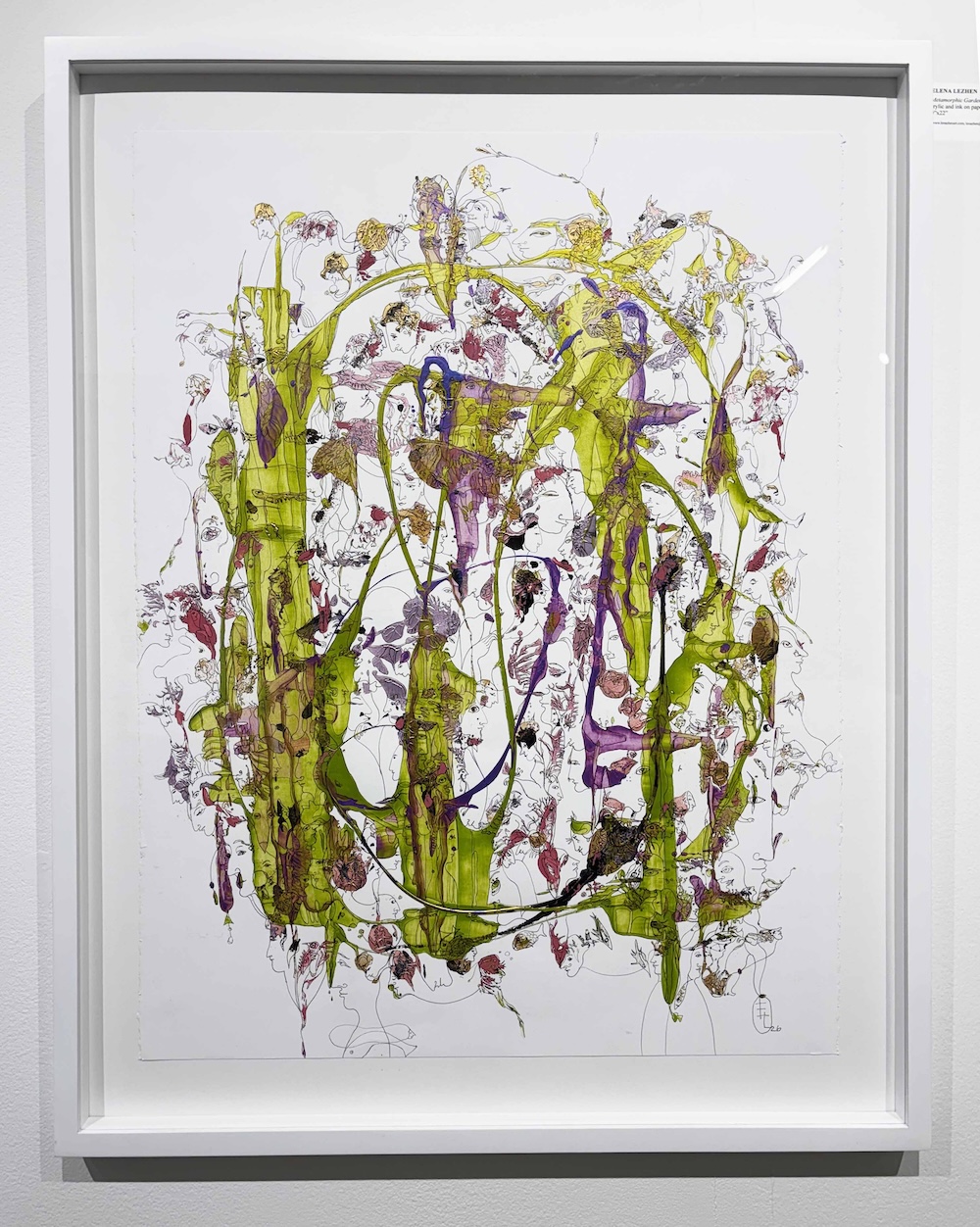
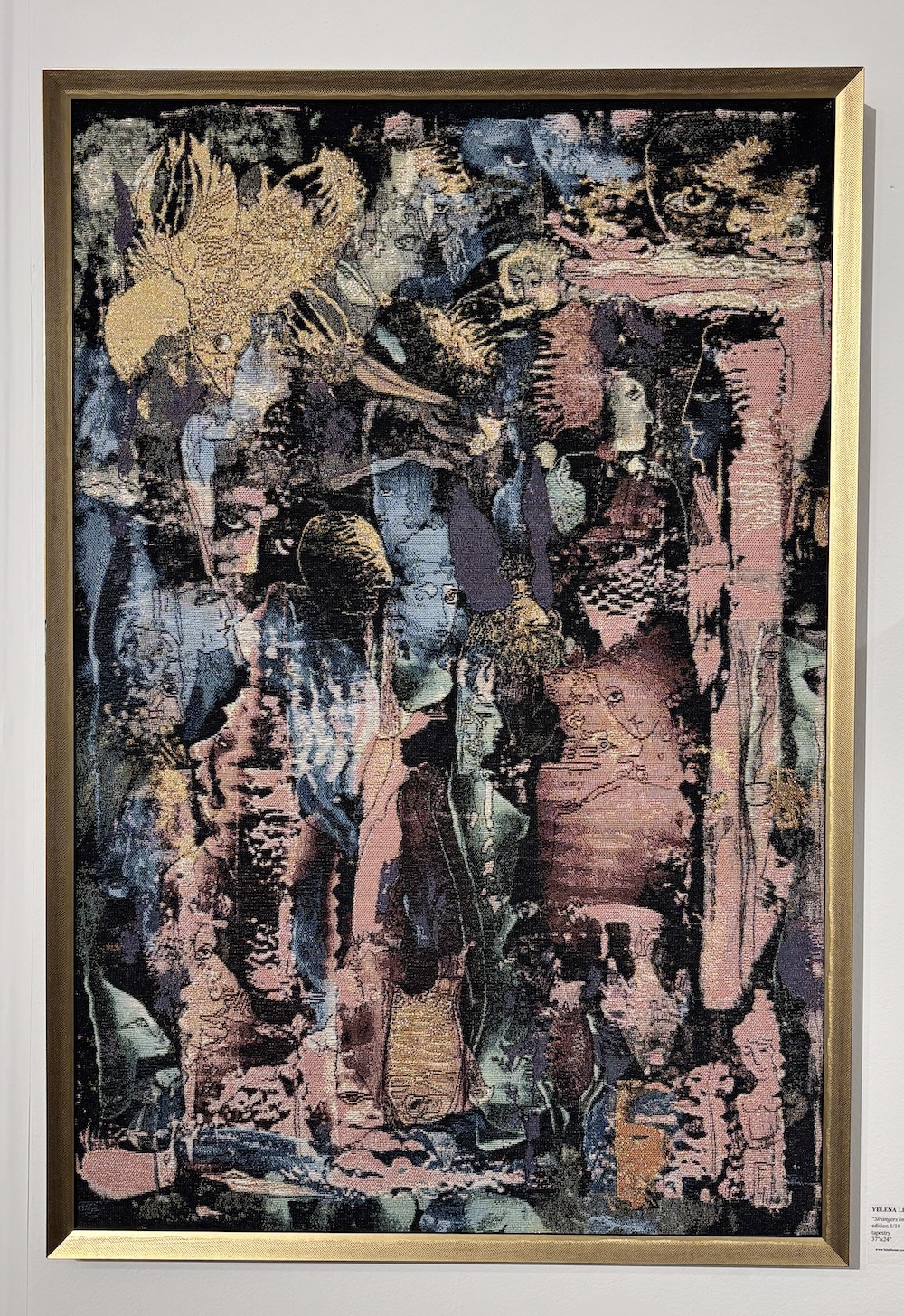
Also of note was Manifest Destiny Art Gallery, which featured works by artist Yelena Lezhen, originally from Ukraine, whose expressive tapestries and drawings ranged from the hundreds of dollars to the thousands. In a DIY move, she brought her work to the AAF herself and does so every year, with great success.
Even though galleries at the AAF have affordable artwork, that doesn’t mean all the artists they represent fall into the under-12K price point. For some of these galleries, it is almost as if the AAF is the prêt-à-porter side of a gallery where another haute-couture line exists, just in another context. The AAF’s Fellowship gallery, Collective Z, operates in this way.
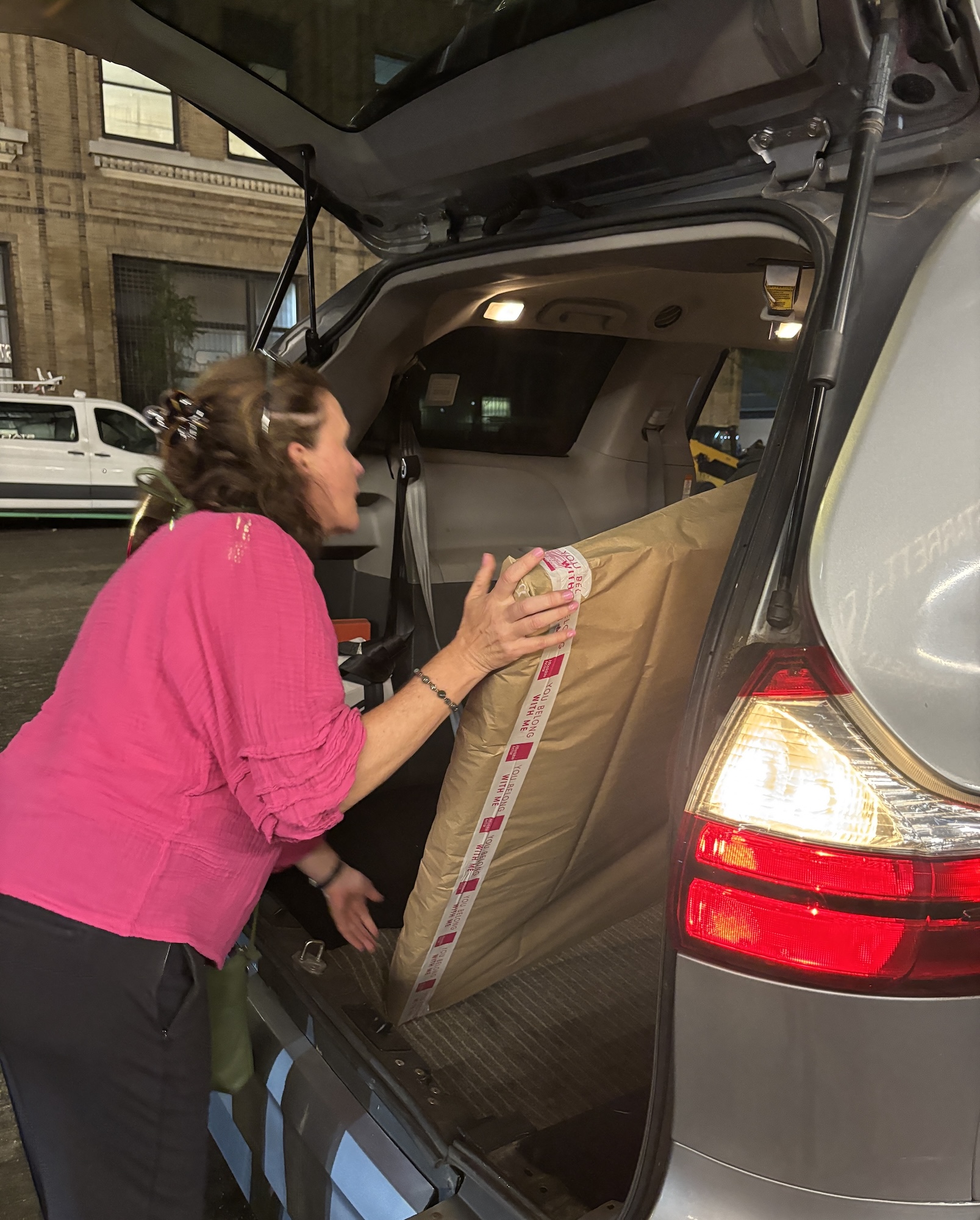
Whether as a more accessible entry point for newer collectors or a great place for designers to find works that fit a specific home aesthetic, the AAF is doing a fantastic job democratizing the art world a bit and demystifying the art-buying process. Outside the venue as I left the fair, the street was filled with happy art buyers carting packages and relishing in their post-retail afterglow. One happy couple waiting for their ride with a large wrapped-up painting agreed that the AAF is a perfect gateway drug to art collecting. They will definitely come back for another fix.
The Affordable Art Fair’s Fall 2026 iteration in New York runs through Sunday, September 20th, 2026, at the Starrett-Lehigh Building.