.webp)
“Love in a Fallen City” at lovers
Review
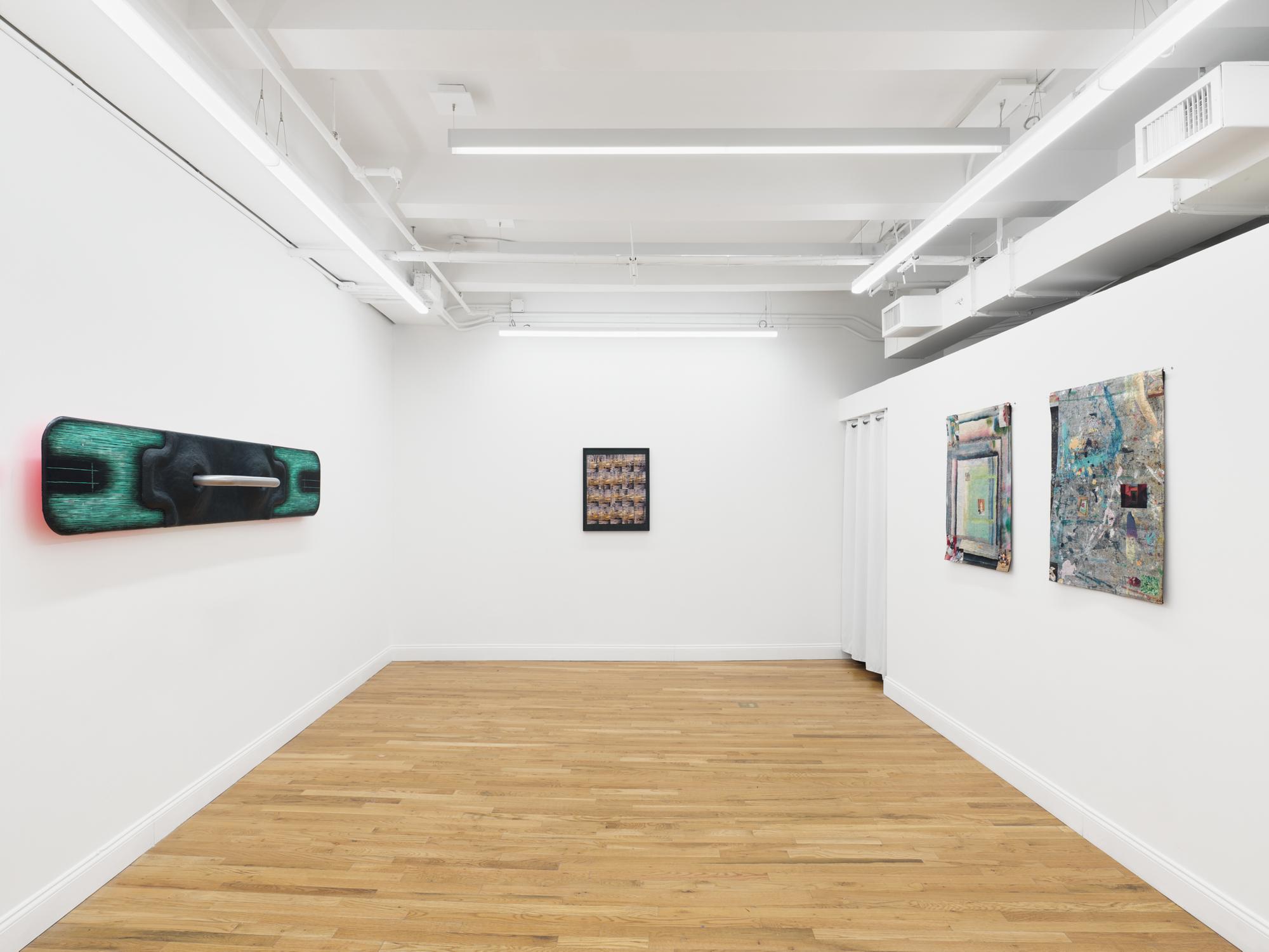
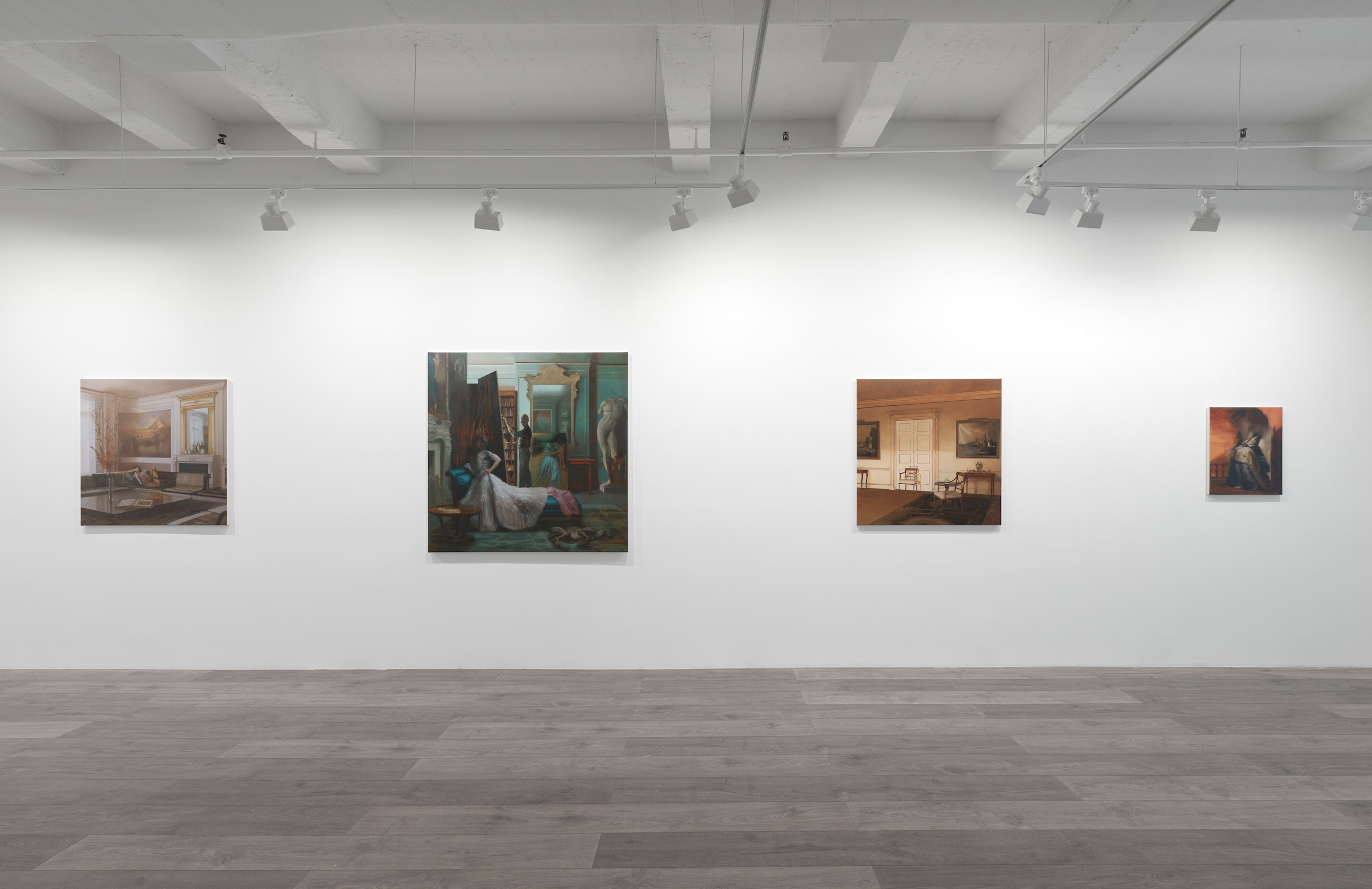
There are a vast number of influences and references that animate pity this busy monster, a group show at Matt Carey-Williams: Shelley’s Frankenstein, the E. E. Cummings poem that gives this exhibition its title, fragments of art history that emerge in the work itself. It would be impossible to fault the ambition on display here, from both an artistic and curatorial perspective. And yet, there are a few too many moments where pity takes its points of reference and offers them in a way that feels a little too simplistic. The contradictions and uncertainties of these ideas give way to an understanding of the monstrous body that feels too easily defined, as if the possibilities of transformation begin and end on the surface of the body itself. A series of self-portraits by Sara Birns, from 2024 to 2026, present versions of a face layered on top of each other, rendered uncanny and unsettling by the different forms that are always threatening to emerge. The most abstract of these, Self-Portrait With Smile (2026), uses watercolors to create an ethereal image, superimposed over a richly detailed mouth, much more corporeal than the face that surrounds it, the smile spread wide and teeth hidden beneath a new face that’s beginning to form. Skye Tholstrup’s collages engage in a similar kind of recreation, a patchwork form that seems to explicitly bring to mind the Creature from Shelley’s novel, something built from fragments of the lost and discarded. Tholstrup’s Harpies (2026), in which a nude figure, arms spread wide—almost Christ-like—has a pair of wings reach out farther than their limbs ever could.
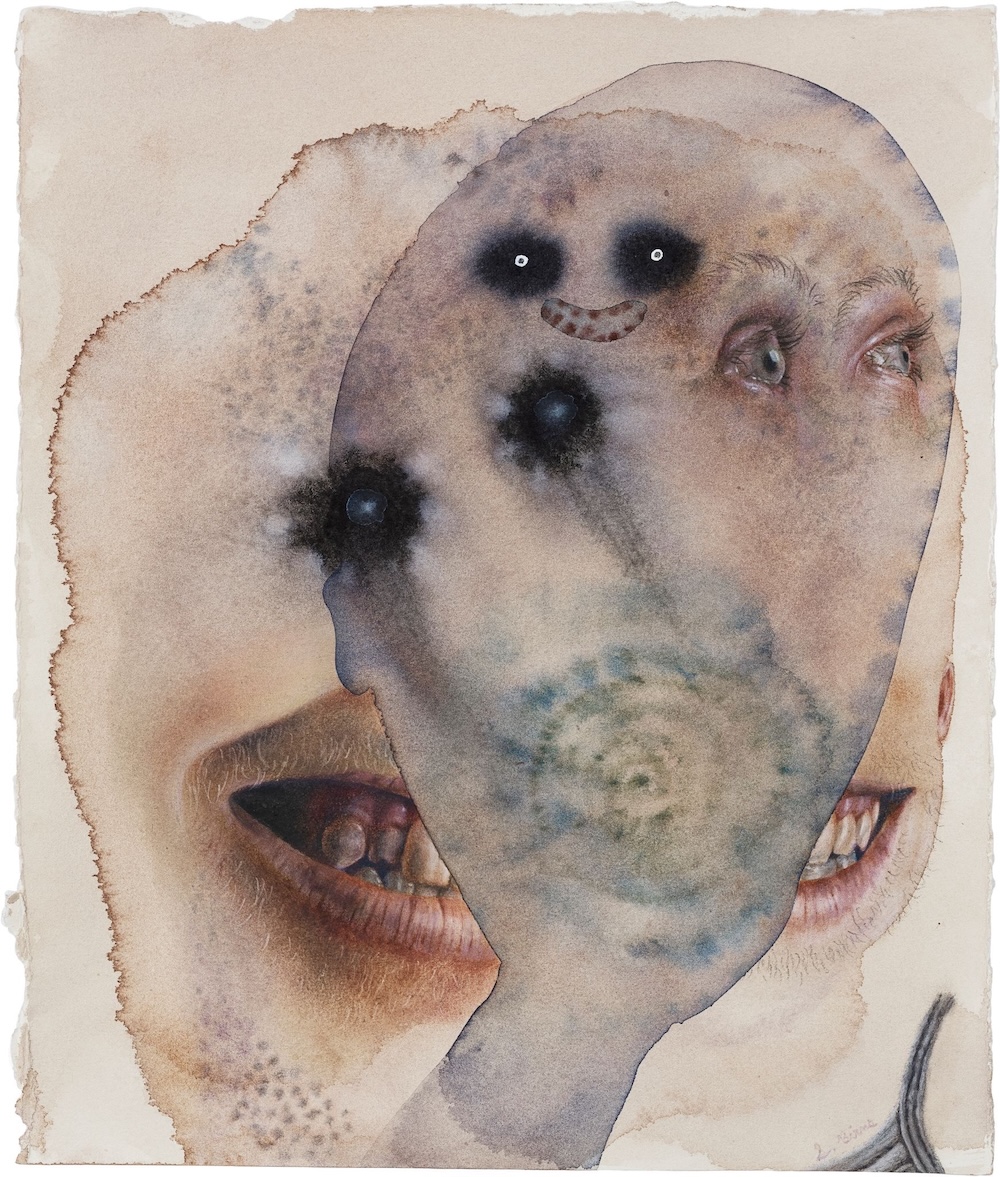
These images are aesthetically striking and have an immediate emotional impact; the almost horrifying nature of Birns’ self-portraits is difficult to shake off. But their approach to transformation, to the idea of a body—even a world—coming undone lacks some of the mystique that makes transformation so appealing: the idea of what comes next welcomes speculation, alive with possibility. Ironically, some of the work that captures this the most effectively moves as far as possible in the other direction, towards an almost deliberate illegibility. A Place Beyond (2026), an acrylic painting by Graham Silveria Martin, presents what looks like a window, the view made unclear by raindrops and mist. This is a work that leans into ambiguity and rewards contemplation in a new way: it seems to acknowledge the challenges of change and the fact that transformation could never have a singular meaning. And so, Martin’s painting—misty and uncertain; contemplative in the same elemental way as Frankenstein—can offer a unique way of understanding the show itself. Lauren Brown’s Weird Fog (2026) hints at the possibility of a figure rather than a defined one; somewhere among these strange colors and shades that are often fleshy and visceral, what could be a human face is in the midst of taking shape. Like Martin's, Brown’s paintings engage in a search that asks a lot of the viewer, which is where the work finds its power. There might be something here, waiting to be discovered, and there might not.
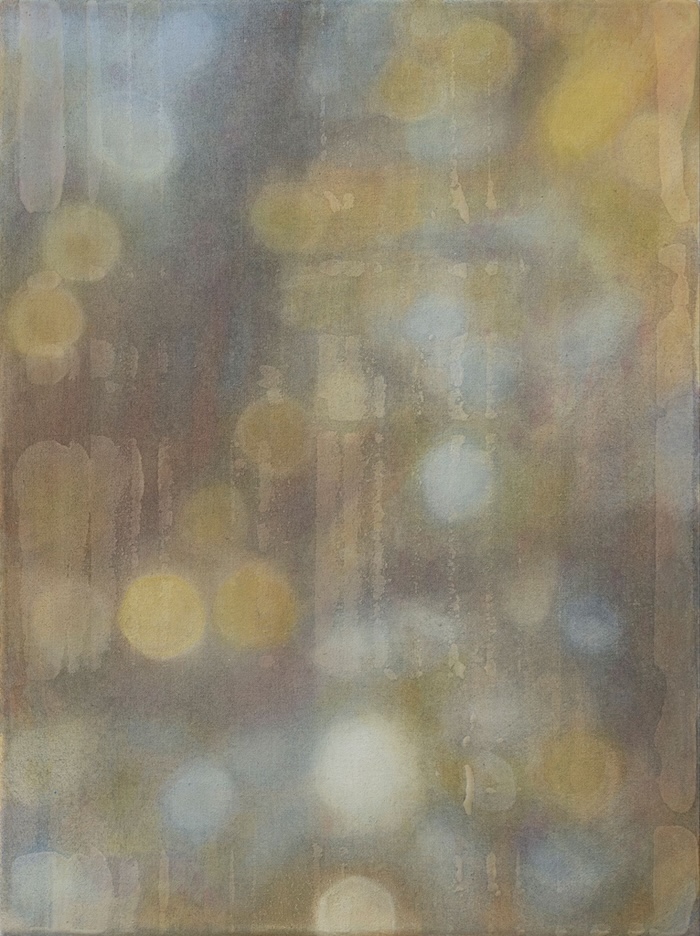
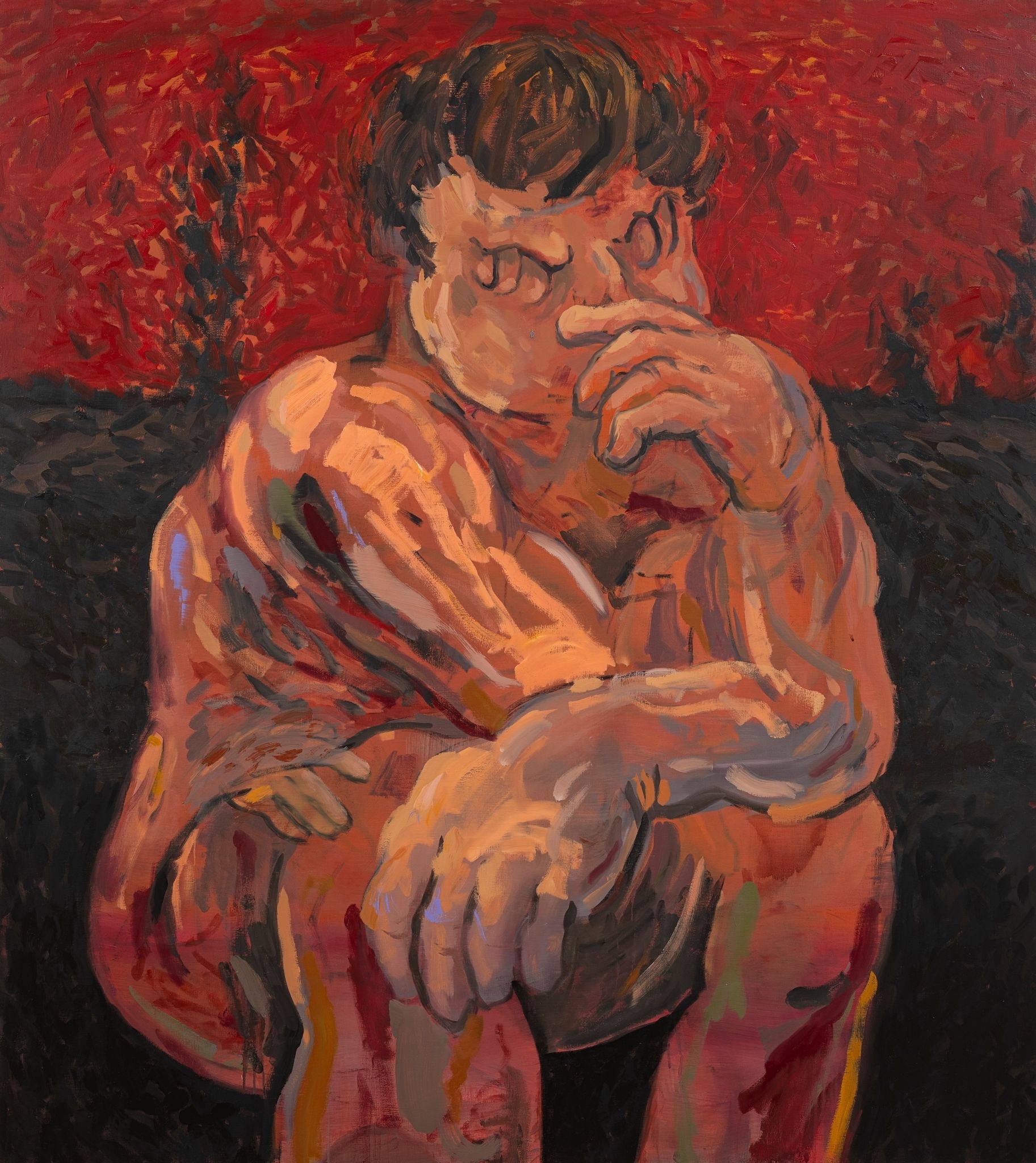
History—whether of art or of literature—is one of the cornerstones of pity this busy monster, and it feels effective when the work engages with it in ways that feel more like a conversation than a simple reference. Brown does this through her evocation of mists and monsters, which sits somewhere between Turner’s vast landscapes and Francis Bacon’s violent metamorphoses. This is something that rewards searching, even, at times, for something that might not be there. Jordan Rubio’s Do you have a lighter? It already smells like kerosene (2026) has a background reminiscent of Mark Rothko’s color field paintings—particularly the reds and maroons of the Seagram Murals—with Rubio’s nude, contemplative figure seeming to emerge from these abstract backgrounds. Rubio’s approach to figurative painting is fluid. The bodies themselves are never as defined or clear as some of his contemporaries on display here—like Nada Elkalaawy’s An Original II (2022-26) or Martin’s In Touch (2026); instead, they exist at a moment of emergence, of coming into being. And with the ghostly, Rothko-like colors that make up Rubio’s background, the figure seems to emerge through a contact with these abstract images, the body itself pushing against the idea of how we think of the nude figure: limbs seeming to emerge from one another, a phatasmal, disembodied hand resting on their thigh.
“We live in monstrous times.” This is what the essay accompanying this show, written by Carey-Williams, informs us, and the truth of it is difficult to ignore. It’s ironic then, that when the show leans away from more explicit ideas of monstrosity—patchwork bodies and uncanny faces—it finds power and even beauty in the act of transformation. The work on display here is never less than compelling, and the vast library of ideas and references that tie it together is ambitious to say the least. But there are times when it seems to create multiple different shows that are existing alongside each other, and one of them, which is defined by curiosity, searching, and the willingness to make things abstract and difficult to define, emerges as more compelling than the other.
pity this busy monster was on view at Matt Carey-Williams, London, from May 19 to June 26, 2026.