
.webp)

Unsympathetic Clock: In Conversation with TJ Shin
Interview
Nina Menocal and I met a few years ago at the Jumex museum in Mexico City during a private tour of Lari Pitman’s solo show, Lo que se ve, se pregunta (What you see, you can ask). A pioneer in bringing Cuban contemporary artists to Mexico, Menocal also has a blog through which she shares memoirs, reflections, and anecdotes from her life, dedicated to promoting modern and contemporary artists in Mexico and Cuba. In an interview with IMPULSE, Menocal speaks about her story as a gallerist, her take on art and beauty and the importance of making these part of everyday life.
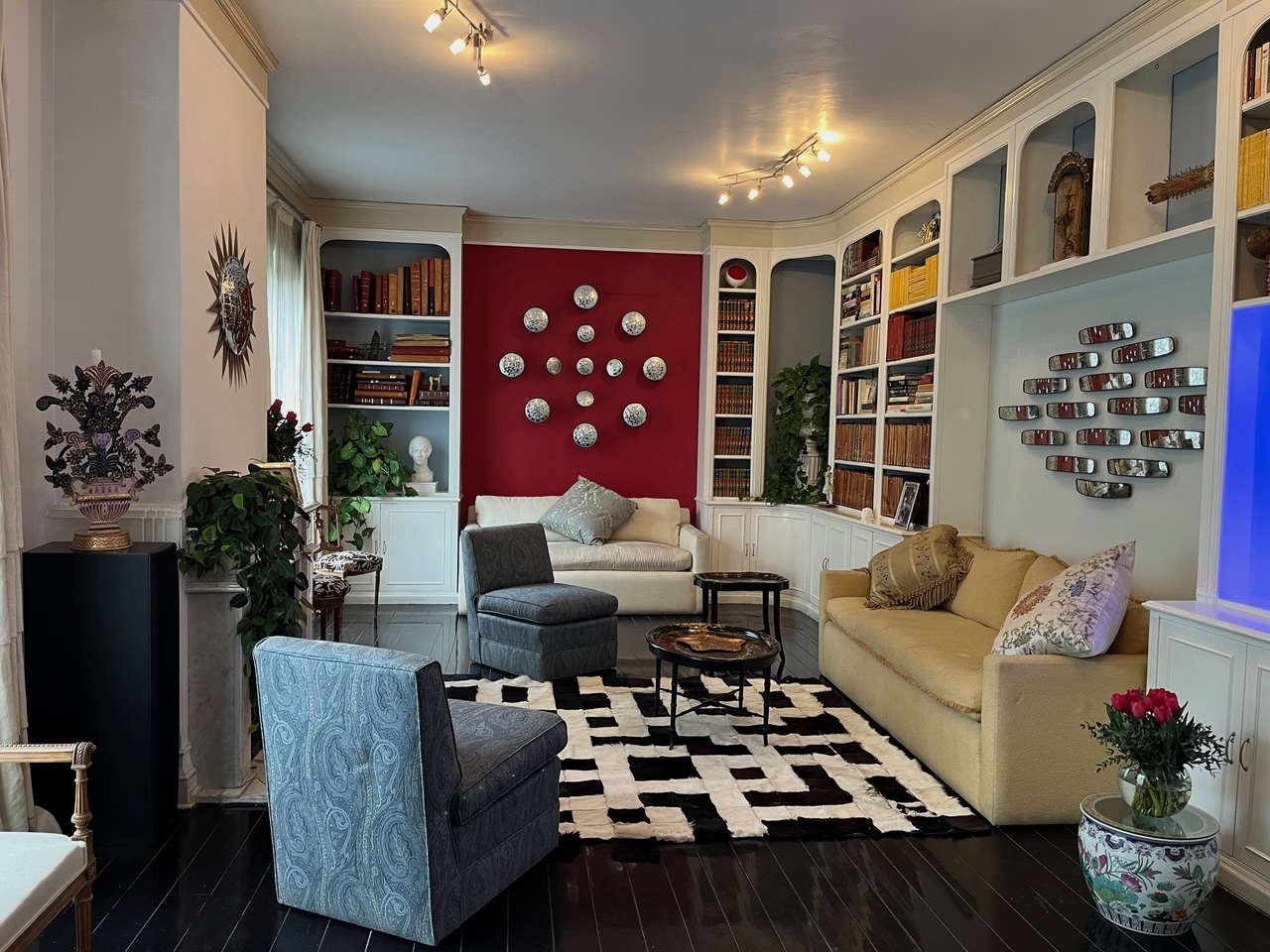
Indira Priscilla: The house we are in is also your gallery. How did you choose this house-gallery set-up?
Nina Menocal: The gallery project originally started in a precious Porfirian house of the 1900s in La Roma, Mexico City. My daughter and the Cuban curator Osvaldo Sanchez found the house, I bought it, and we inaugurated it with a show of José Bedia and Silvia Gruner.
Later, we moved to San Miguel Chapultepec because I rented the house that is now a ludic museum, and in this second location, I realized that collectors live close to where I live, and since I had empty walls at home, Nancy, the curator of the gallery, advised me to move the gallery to the house. And here we are!
IP: Was there a moment when you realized you wanted to dedicate your life to art and to be a gallerist?
NM: I think so. When traveling with the Cuban artists and in Cuba, I met several poets, writers, intellectuals, and artists to whom my cousin introduced me. The artist Arturo Cuenca introduced me to a lot of the contemporary art scene in Cuba, too. And this made me realize I wanted to work with these people.
IP: Can you tell us about the Mexican art scene back in the ’90s when you started the gallery?
NM: Yes, I think art in Mexico in the ’90s was decorative. I recall only another colleague, besides me, who was promoting contemporary art. Especially with the arrival of the Cuban artists, the interest for this art sparked in other galleries, and we founded the “Corredor Cultural La Roma,” and from this point on, the market for contemporary art went up.
IP: Is there anyone or anywhere in the artistic scene with whom you would have loved working?
NM: I worked with all the people and projects that I liked and that resonated with me. For example, Félix González-Torres and Tomás Sánchez.
IP: Do you think beauty is a relevant and current value in today’s art market?
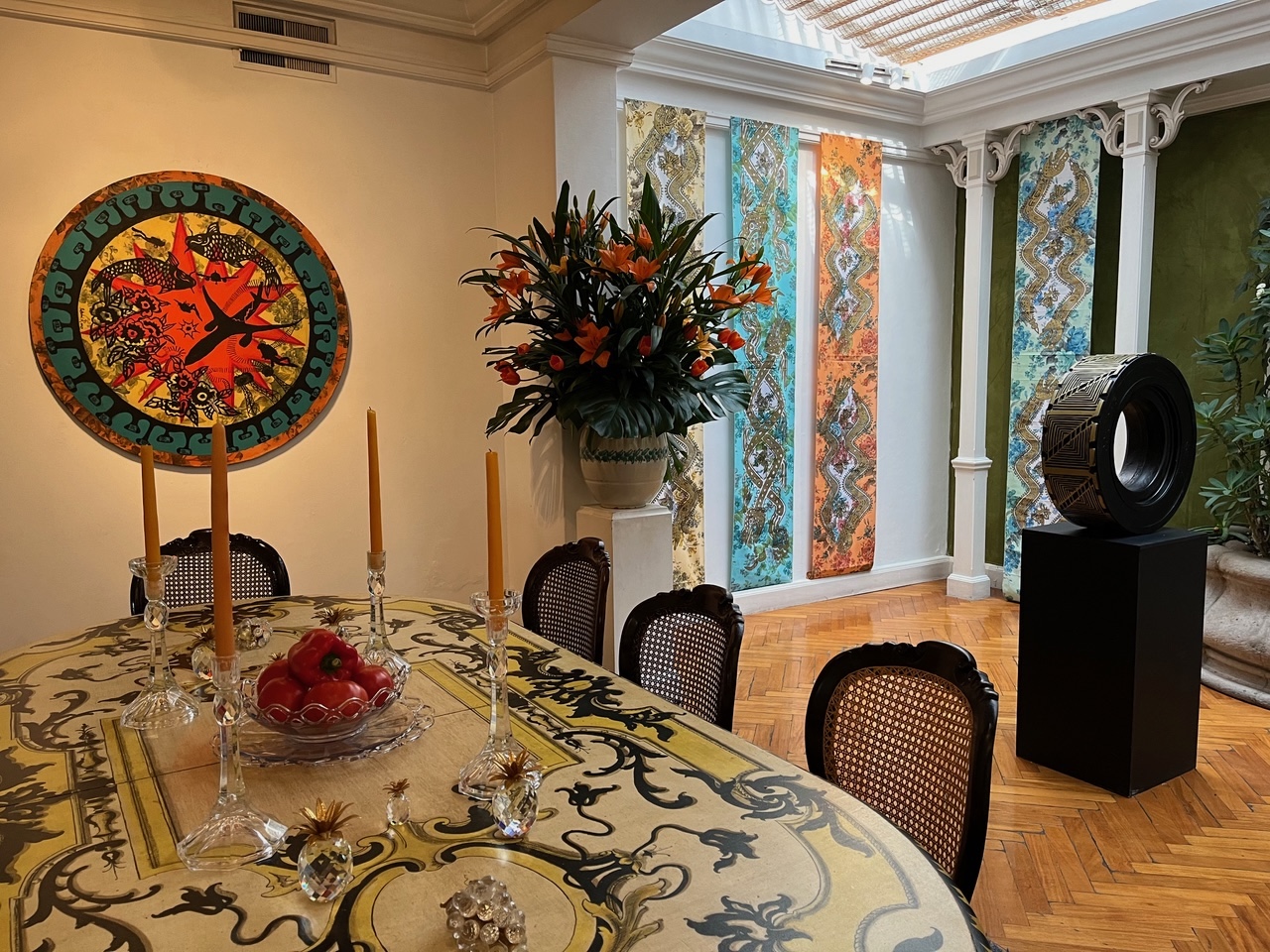
NM: I think beauty is as essential as the message that the artists are trying to express. A lot of times, there is something more to see behind beauty, and it can only be gripped by one’s eye; our own experiences build the lens with which we can grasp beauty.
IP: What is beauty for you? Where do you find it?
NM: My grandmother used to say, “Live beautifully,” and I will never forget this. So I find beauty in everything, in flowers, nature, and the everyday. And I also find beauty in art, food, friends, and love.
IP: If your gallery could speak, how do you think it would describe itself?
NM: As a very happy place. Happy to share with artists and friends. Building relations and friendships with the artists is what I value most.
IP: What is the strongest impact that art has at a social and cultural level?
NM: I think art is very important for society because no matter which language you speak, we can all be touched internally by it. I think it is very important that society has access and the opportunity to visit the spaces that harbor unexpected and bewildering worlds.
IP: What is a key factor that prompts people to start an art collection? How should one build new art collections?
NM: I usually suggest art that matches and goes with the place. Here in Mexico, I did an important collection in San Luis Potosí for a coffee grower. When building a private collection, it is very important to get to know the architecture of the space. Talk to the architects and really get to know the people who are collecting to know what art is best for them and their place.
I think the most important factor for cultivating new collectors is knowing the person you are dealing with, taking them to museums, and talking with them about what they liked, disliked, and why, in order to get a deep understanding of their taste. People, in general, tend to be very curious, and that's helpful.
IP: What do you think about art fairs and biennials? Do you think these kinds of events change or affect the way in which the public engages with art?
NM: I think both fairs and biennales are important because they reunite a lot of people who make the art ecosystem work: collectors, gallerists, curators, and the general public.
IP: What is the legacy that you would like to leave behind?
NM: I would like to leave the idea that in order to get what we want, we must work for it and never stop dreaming. Dream big. And also, to always be kind, welcoming, and that enjoying what you have is part of living beautifully.
IP: What is the vision that you have for your project in the next few years?
NM: I am focused on finishing the conceptualization of my collection, which is being done in both Cuba and here in Mexico, and then I would like to place it in a big museum or donate it.
This interview was edited for clarity and length.