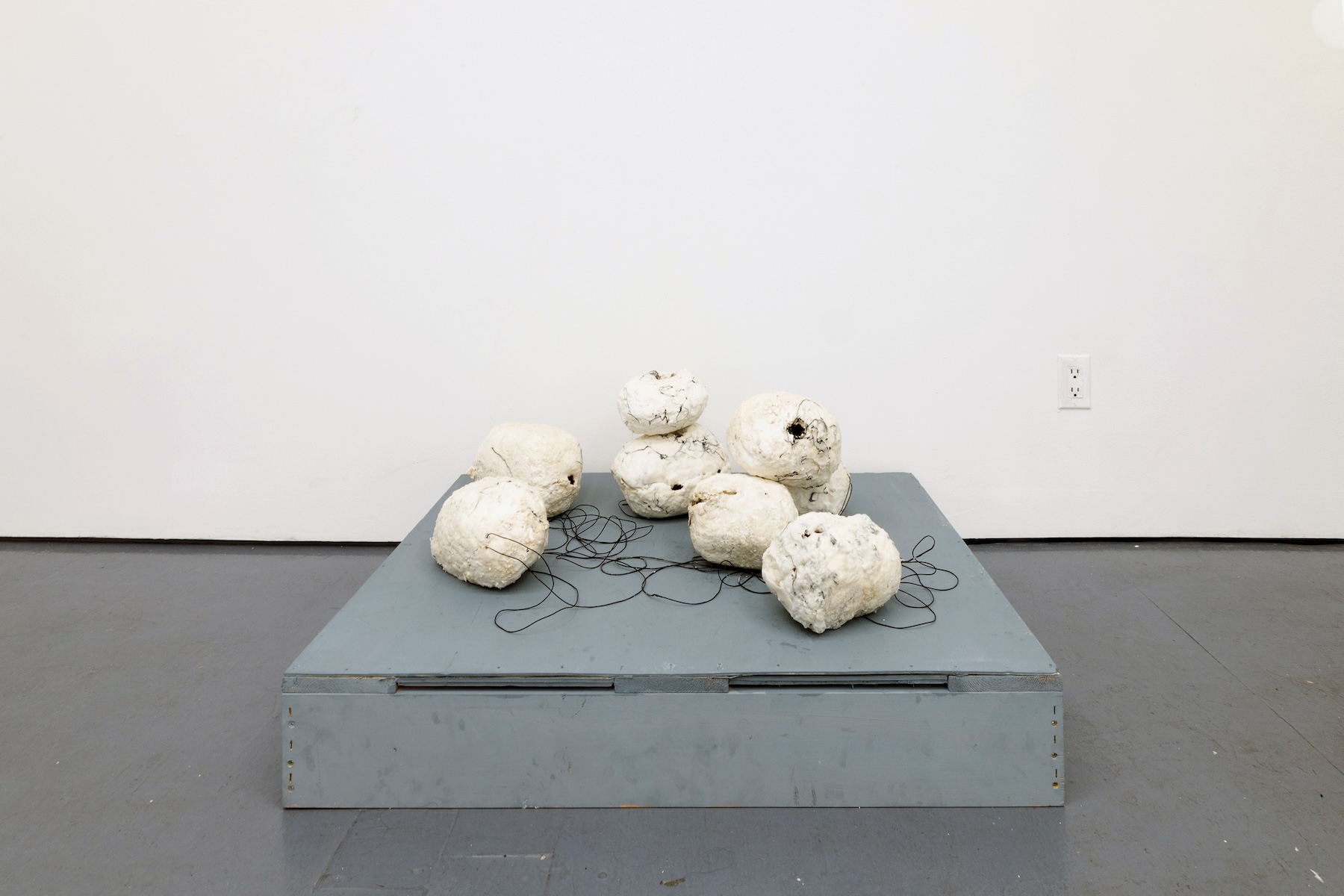
“Do I know you from somewhere?” at Transmitter Gallery
Review
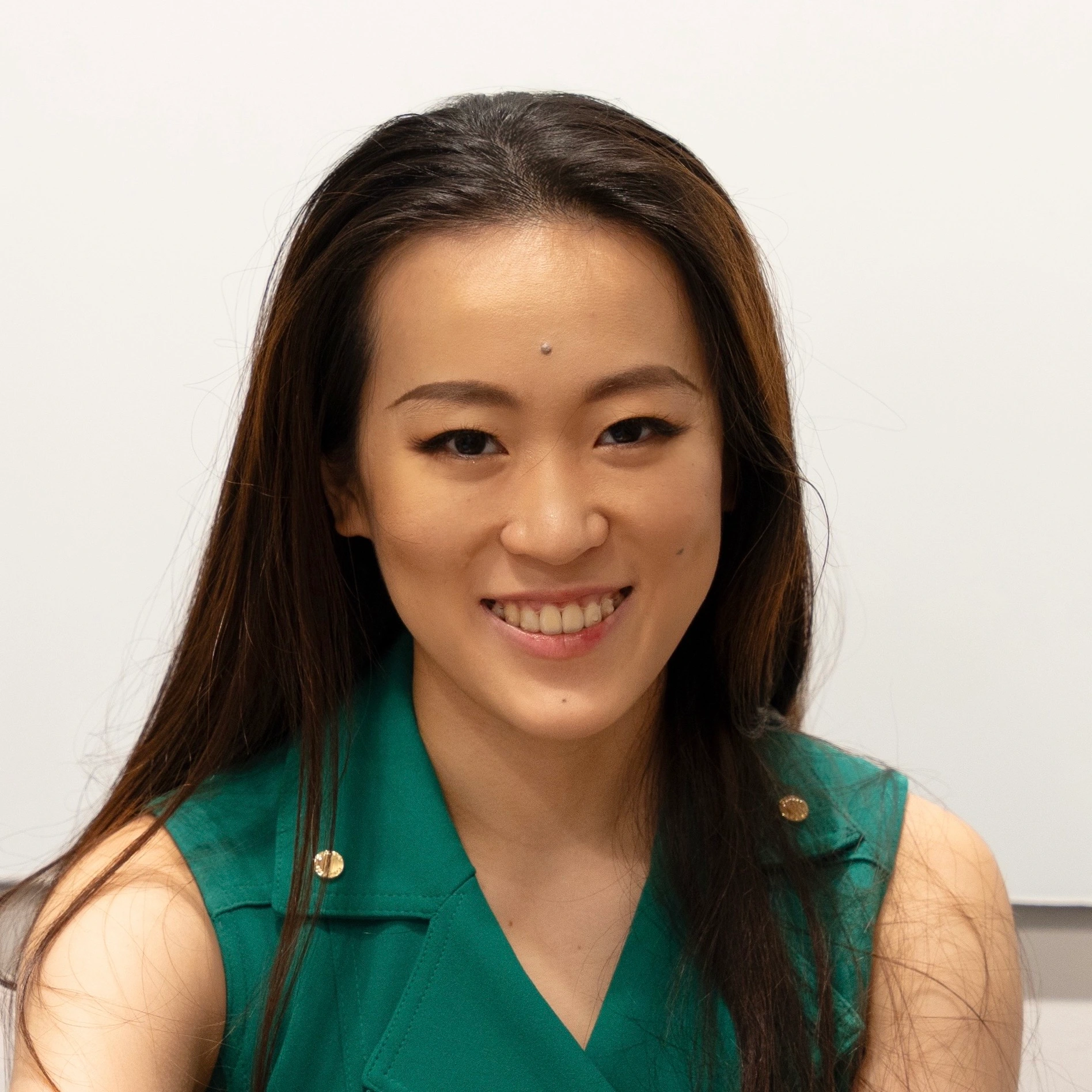
Faurschou has announced Carolina Edman as director of its New York exhibition space. Edman first joined Faurschou in Copenhagen, working across the institution's international exhibition program and collection spanning Beijing, Copenhagen, and New York. She worked closely with the curatorial team and executive directors on exhibitions with leading contemporary artists for a broad public. On her promotion, CEO and founder Jens Faurschou comments: "Carolina has served in a critical capacity at Faurschou for several years, shaping our international program across Copenhagen, Beijing, and New York. Appointing her Director of Faurschou New York was a natural decision, and we look forward to her leadership of the institution."
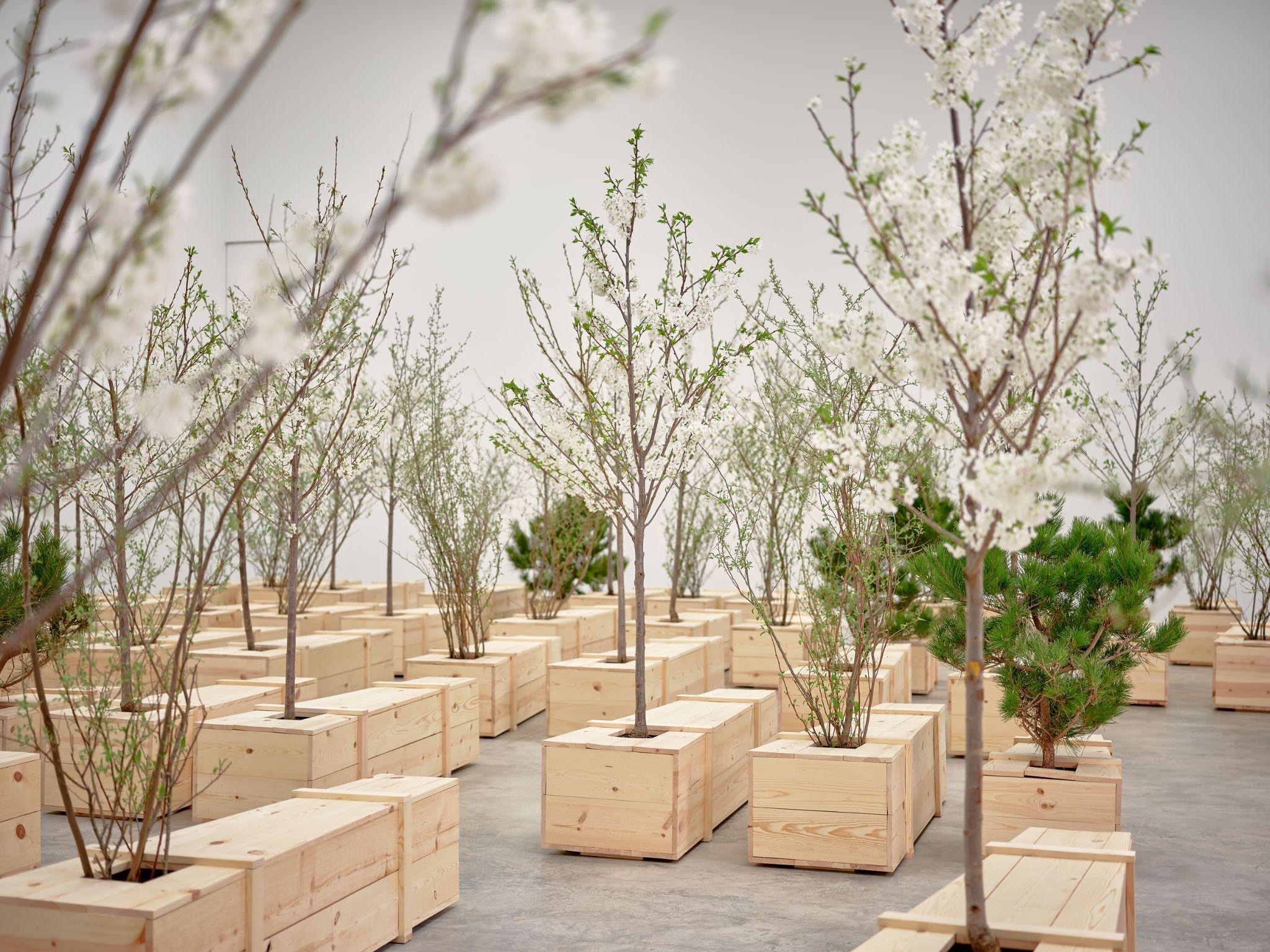
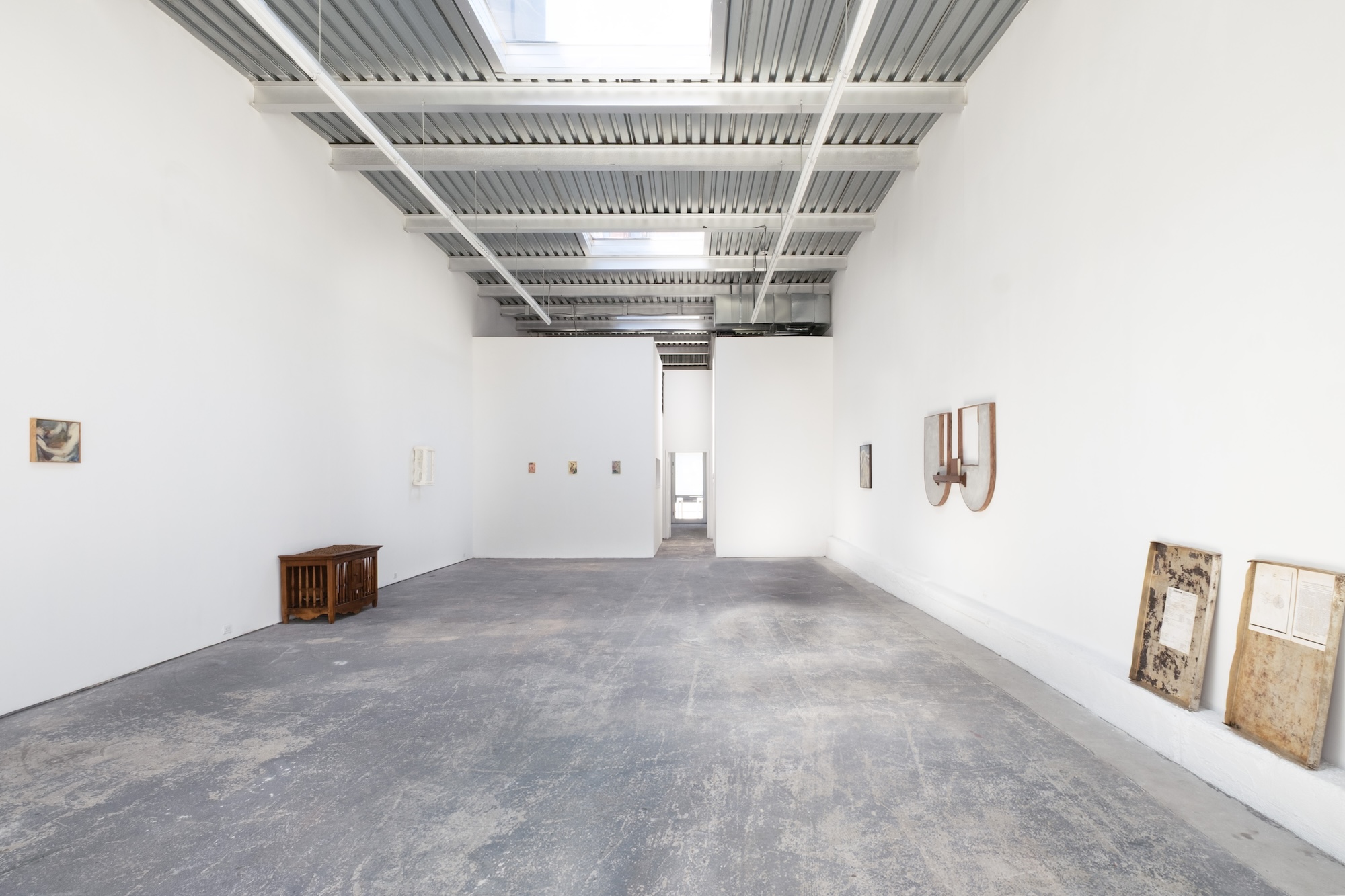
Faurschou New York opened in 2019 in a 12,000-square-foot renovated industrial warehouse in North Brooklyn. In her new role as Director of Faurschou New York, Edman will be overseeing the institution's venerable program, leading its exhibitions, artist relationships, and institutional partnerships in the city. Past exhibitions in New York include the landmark inaugural group show featuring works from the collection by Ai Weiwei, Georg Baselitz, Cecily Brown, Cai Guo-Qiang, Tracey Emin, Anselm Kiefer, Paul McCarthy, and Danh Vo, among others—as well as solo exhibitions with Liu Xiaodong, Robert Rauschenberg, and Curtis Barnes Sr.
Edman brings a depth of interdisciplinary knowledge and curatorial acumen to the director position. Faurschou continues: “Her curatorial vision and rare ability to work at the highest level with contemporary artists distinguish her in the field.” An acclaimed curator from Sweden and active across the Nordics, Edman is known for spearheading initiatives and developing the reach of the region's artists. Edman led the production of the catalogue raisonné for Danish-German painter Ursula Reuter Christiansen, and the publication, Poppies Mutate into Bats. A 60-year Expanse of Paintings was awarded book of the year and released in conjunction with a major exhibition of the artist.

Having lived between the European cultural capitals for several years, Edman reflects on maintaining her curatorial practice in New York. “How can institutions give form to what remains possible? The answer to this question is that it is an ongoing and unfinished project,” she notes. “Engaging with art is a continuous journey of discovery. Today, each of us is facing a critical moment, as individuals and as a society. I look forward to working with the brave artists who lead us closer to one another, letting our participation in their work uncover something we did not even know we were looking for.”