.webp)

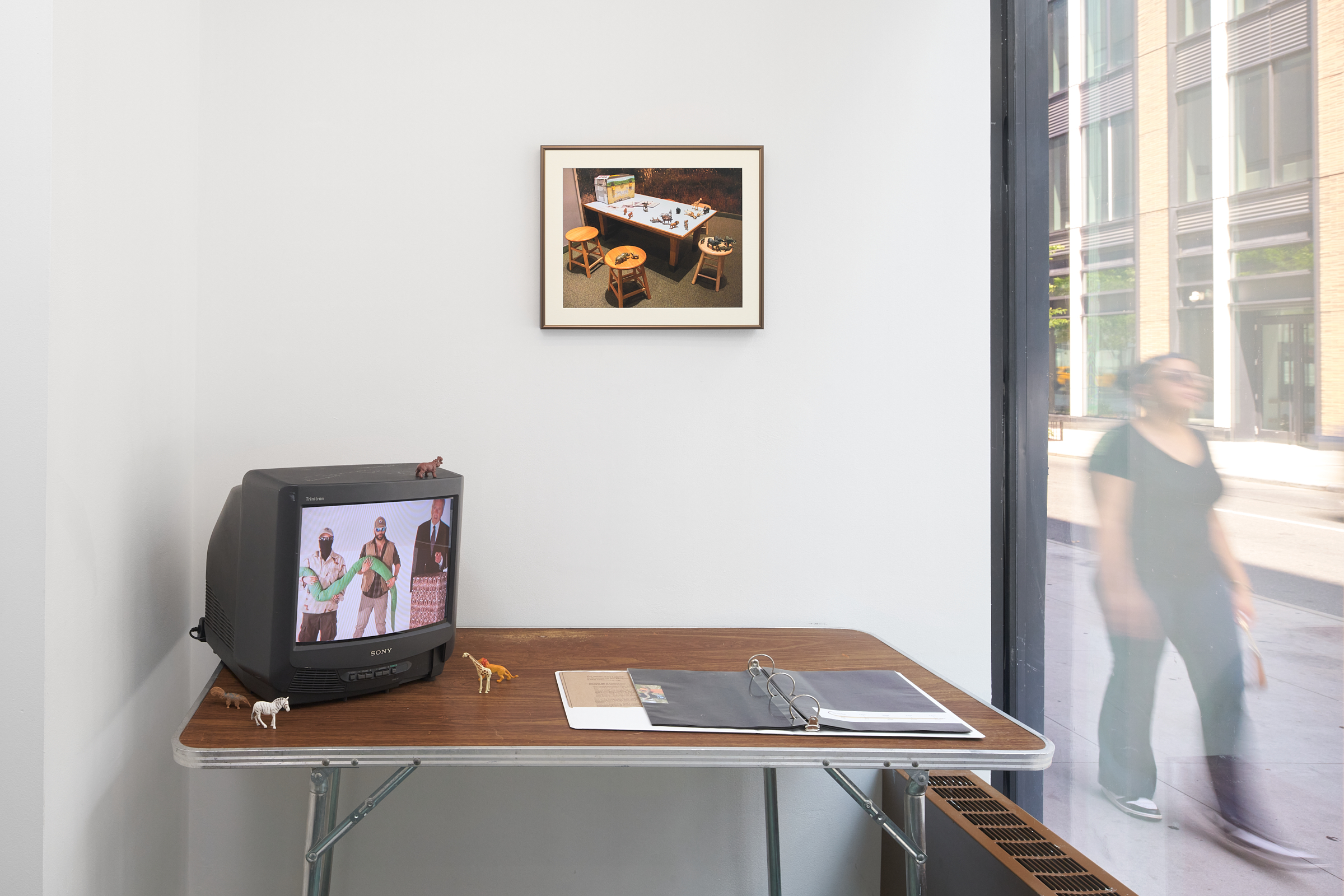
“Do I know you from somewhere?” at Transmitter Gallery
Review
RendezVous returned for its second edition from September 10th to 13th, 2026, with a citywide program connecting Brussels’s art scene across multiple neighborhoods. Founded in 2024 by Laure Decock and Evelyn Simons, RendezVous grew from a need to give the local ecosystem a common framework without flattening its differences. This time around, more than eighty galleries, institutions and artist-run spaces took part, with dedicated focus days giving each area its own pace. The format suits a capital where cultural life extends well beyond a single center. Moving between venues becomes integral to discovering what is happening, from established organizations to grassroots projects. Brussels stays present throughout, never reduced to a convenient backdrop.
The Salon de RendezVous again served as the primary social hub. This year, Espace Aygo transformed the forest site with a temporary landscape of towers, some rising while others collapse. Built largely from recycled matter, the installation set ascent against failure while doubling as a stage for talks, screenings and performances. It also marked the collective’s farewell before relocating to New York.
Among the Salon Encounters, the program entitled Artist Moving Image provided viewers a reason to stay once openings were over. Maestra Lacrymae (2026), conceived by Anastasia Bay and performed by Joseph Schiano di Lombo, brought an eccentric musical charge to the proceedings. A discussion on accessibility between Paula Bogutyn, David Seffer, and Xander Berbé considered how good intentions can translate into practical action. Together, these strands expanded the Salon beyond a place to gather. That balance of conviviality and substance gave the wider event a distinct character.
Michel Frère
KIN
September 10 – November 14, 2026
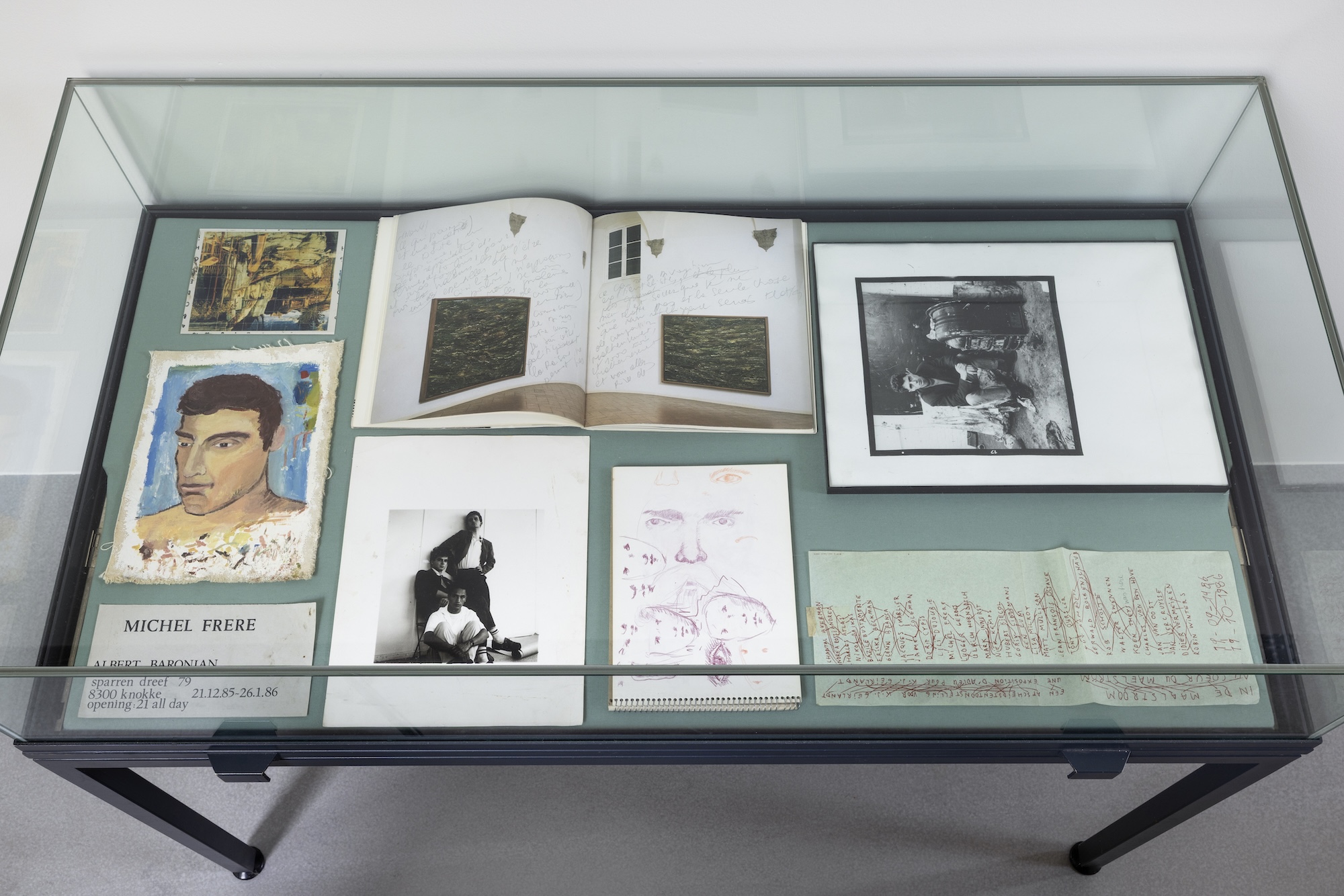
Michel Frère’s short career ended abruptly in 1999, but the canvases gathered here feel distinctly unruly today. Heavy deposits of oil generate restless surfaces that hover between attraction and discomfort, while glazing produces reflections that pull the surrounding room into sight. Anne Pontégnie’s curation pairs large-scale works with smaller formats and archival records, allowing his development to unfold without reducing the display to a retrospective summary. The immediate impression is tactile. These layered accumulations make risk tangible, while their framing establishes physical distance. That tension reveals a compelling route back into the painter’s singular position within Belgian painting more broadly.
Tatiana Trouvé: The Auxiliaries
Xavier Hufkens
September 10 – October 31, 2026
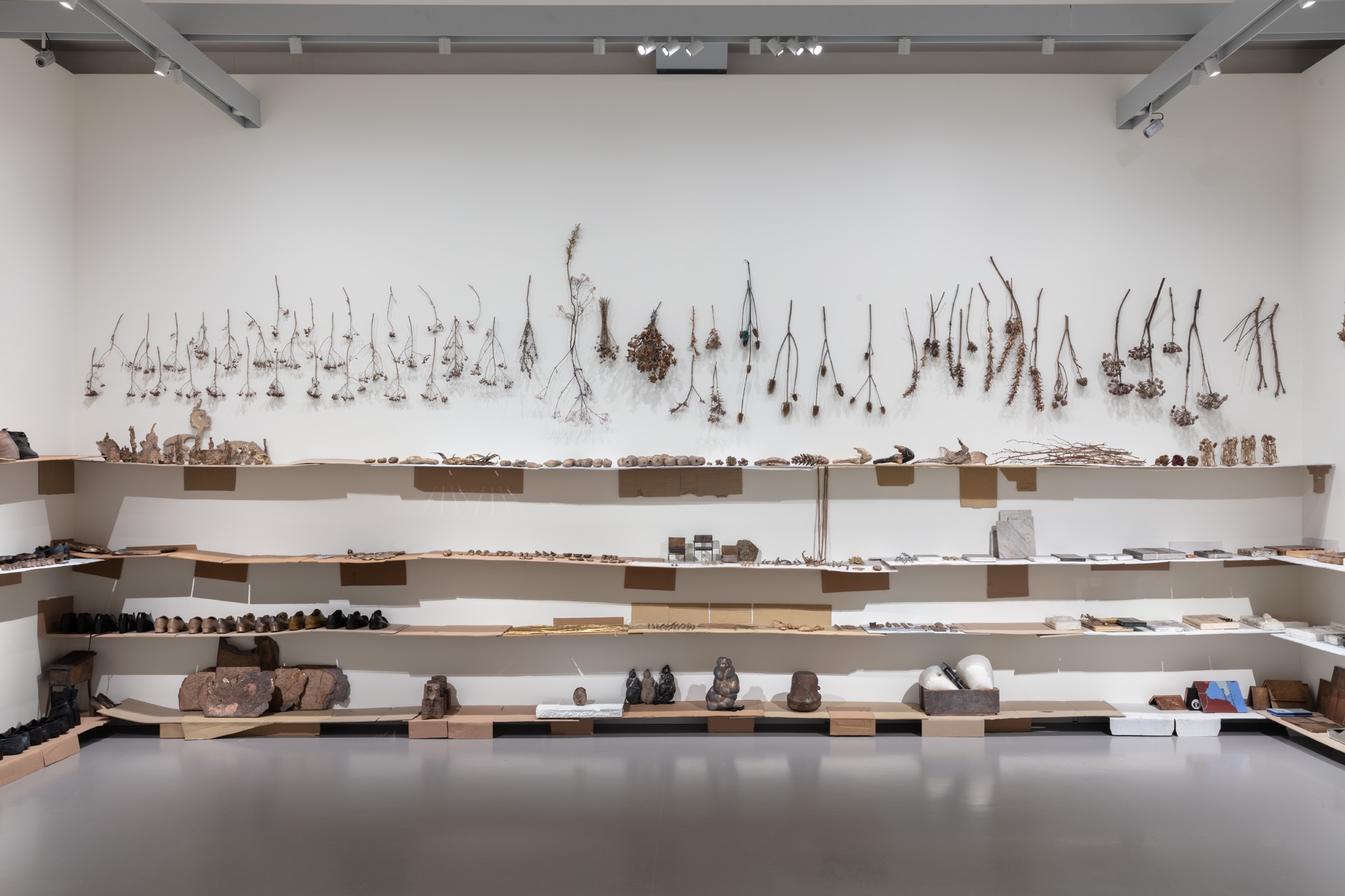
Tatiana Trouvé’s debut Brussels presentation, The Auxiliaries, stretches across three levels, converting the building into a chain of uncertain environments. The first work, L’Inventario (2026), resembles provisional cardboard shelving but is rendered in aluminum. These trompe l'oeil works reveal the behind-the-scenes of studio practice yet remain surprisingly intimate. Elsewhere, cushions, straps, padding, and residues involved in handling or protecting objects reappear as sculptural medium. The result unexpectedly brings backstage labor into view. Trouvé excels at letting support devices register as psychologically charged. Nothing quite settles into one identity for long. Components retain marks of previous roles, while the surroundings suggest a studio caught somewhere between assembly and disappearance without clear resolution.
Alvin Ong: Another Life
rodolphe janssen
September 10 – October 24, 2026

Alvin Ong’s Another Life emerges from recent burnout and carries that vulnerability into images where bodies merge fluidly, then split sharply apart again. Faces surface through translucent layers while screens interrupt the compositions. Rhinestones add a devotional glint to the work. Panels on found blinds and signboards from Singapore layer surviving traces of memory and past lives with newly imagined episodes. The result is unsettled without becoming dramatic. Ong moves between religious imagery and queer desire with an ease that resists neat autobiography. Parade (2026) is a highlight, nodding to Greek modernist painter Yannis Tsarouchis while extending a broader interest in fractured selves and parallel lives.
Ali Cherri: Soul Witness
WIELS
September 5, 2026 – January 3, 2027

Ali Cherri’s Soul Witness assembles several major series to examine how authority enters history through human subjects and institutional frameworks. The Sentinel, Cherri’s film, follows a French recruit passing between military routine and nighttime meetings that disturb the discipline around him. Nearby, strange hybrid beings and damaged statuary redirect attention from obedience to the mechanisms that produce it. His pairings of mud with marble or stone are especially effective. Fragility interrupts media tied to durability, while archaeological fragments raise questions about acquisition and staging. The survey is politically and aesthetically sharp, but its power lies in withholding easy definitive conclusions.
Casual/Tease
Cloud Seven
September 10, 2026 – February 21, 2027
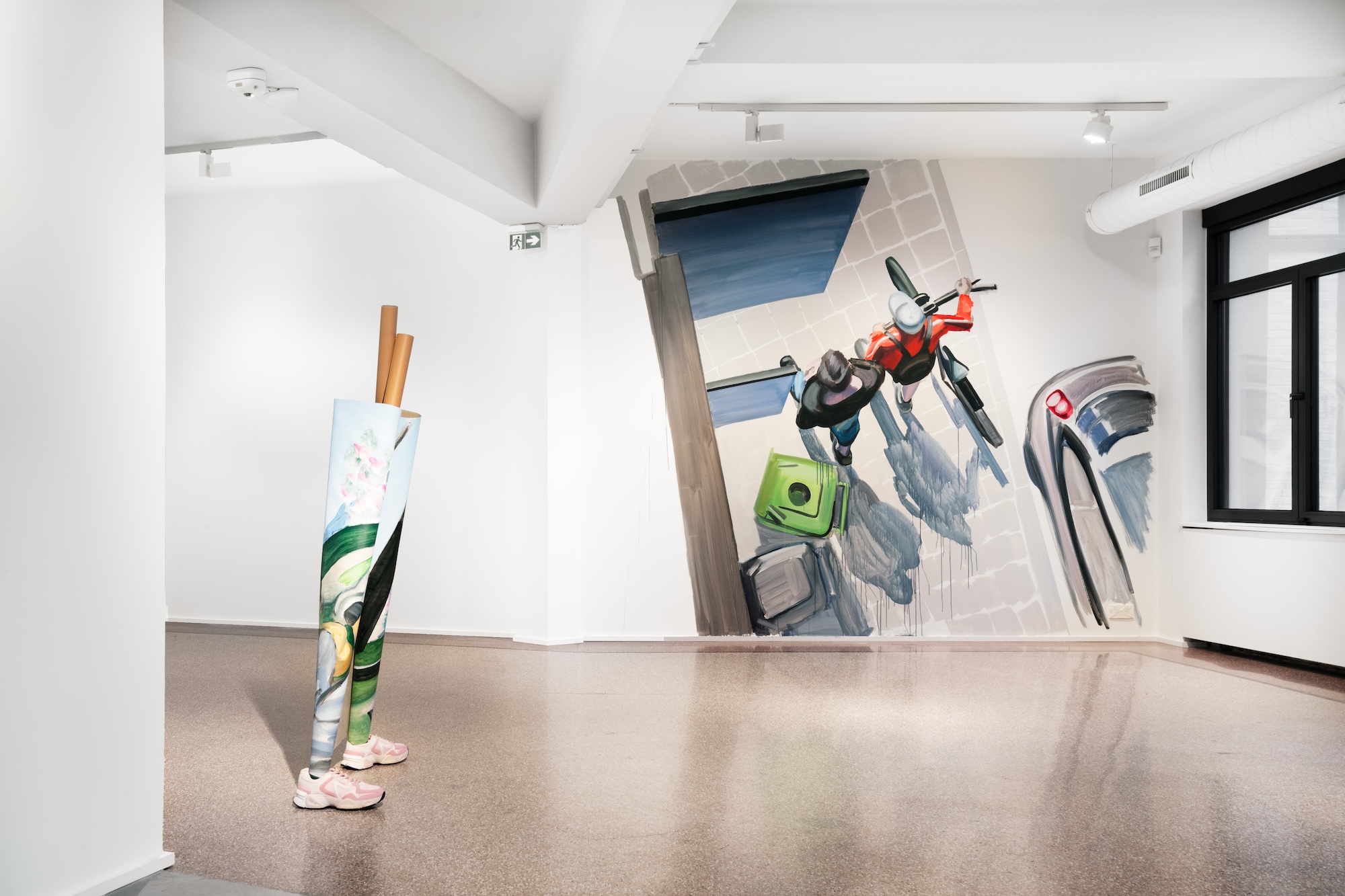
Casual/Tease begins with a disturbing proposition: violence often hides inside situations that pass as ordinary. A flowering street, a household ladder, or a ceramic vessel may initially appear deceptively harmless. A closer glance subtly changes that sense. Drone optics and hunger gradually enter the frame, revealing how remoteness can disguise complicity. Hadas Zahavi (founder of the Columbia Global Center for Peace Innovation) leads the wider project, which includes Kader Attia, Mona Hatoum, Shilpa Gupta, Kapwani Kiwanga, and Walid Raad. The project’s smartest gesture is to avoid spectacular depictions of destruction. Instead, it tracks the infrastructures and contaminated landscapes that allow harm to persist well after visible moments of impact.
Kristof Santy: BOLERO
Sorry We’re Closed
September 10 – October 24, 2026
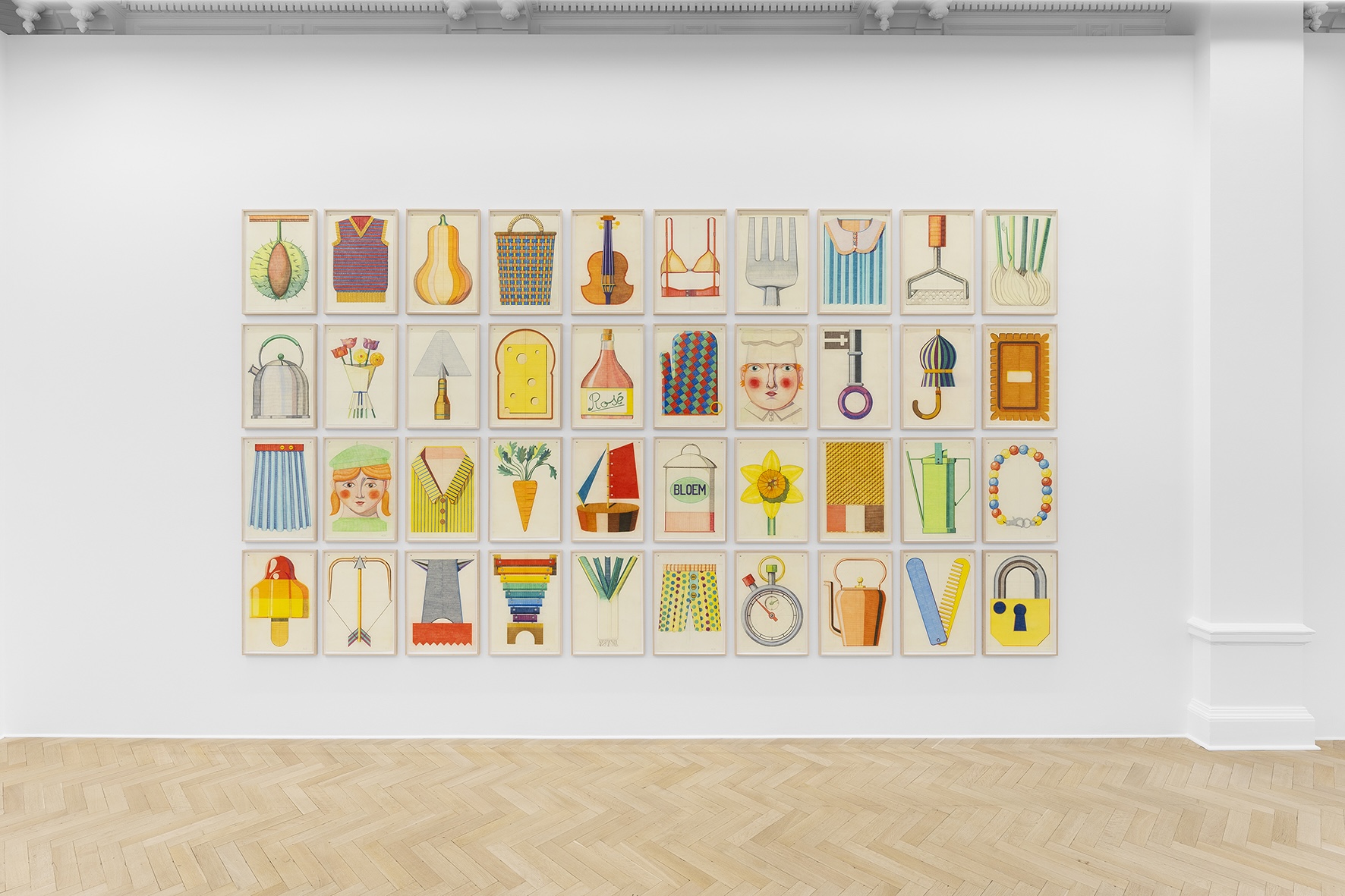
Kristof Santy takes Maurice Ravel’s orchestral music Boléro (1928) as a compositional cue rather than a narrative subject. Across three floors, paintings and drawings build through rhythm, and copper reliefs extend this language spatially. Flowers, dishes, furnishings, and tools push past description as patterns flatten space and colors sharpen their presence. Santy’s affection for folk traditions and flea-market finds grounds the suite in careful observation. The pleasure is visual, not nostalgic. Repetition offers a way to probe how much a picture can shift while remaining recognizable. The metal elements add a welcome variation in mass and texture, and are among the show’s best surprises.
Folkert de Jong: Old DNA
Galerie Christophe Gaillard
September 10 – October 31, 2026
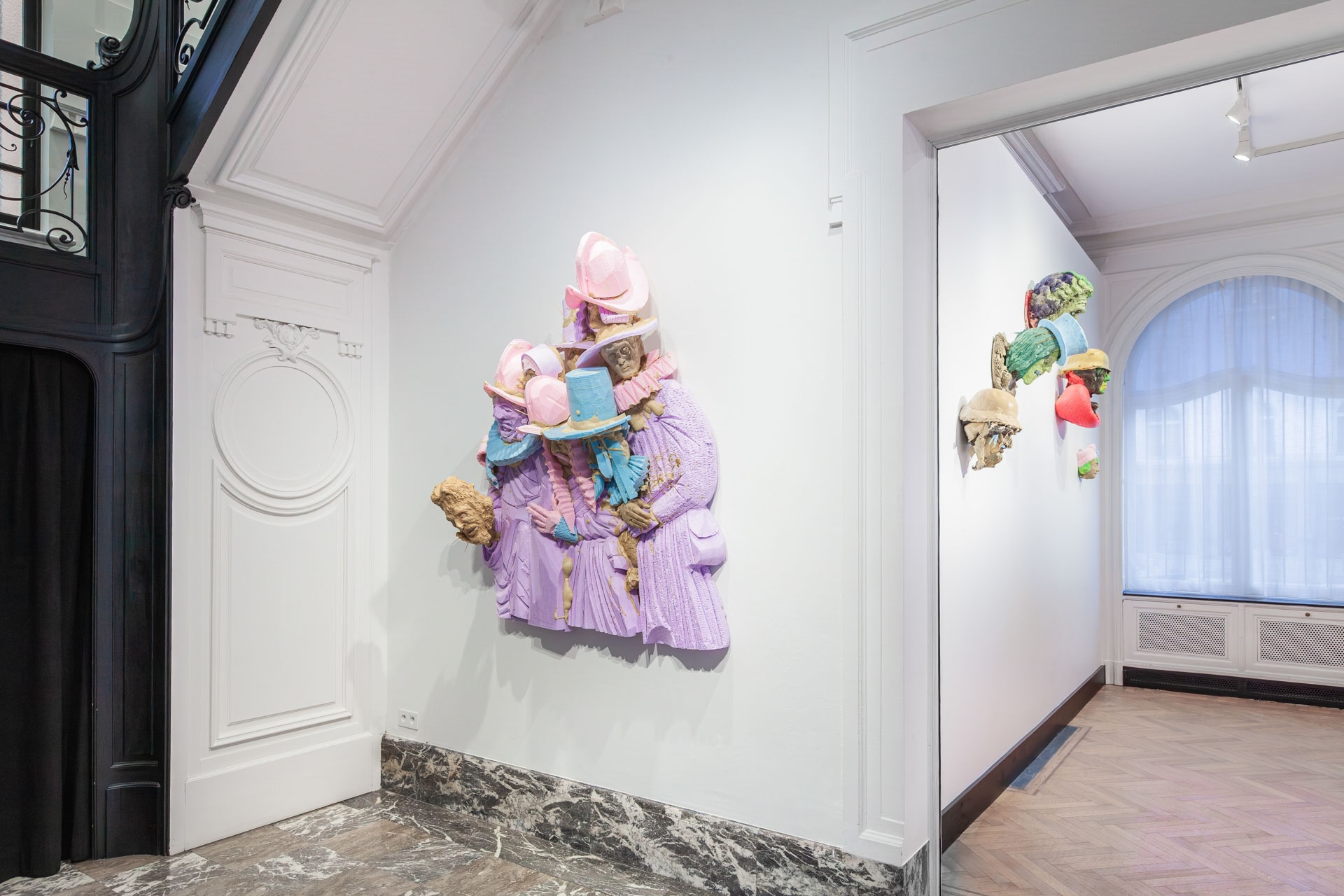
Folkert de Jong’s exhibition Old DNA deploys industrial foam and petrochemical compounds to lend inherited histories a precarious body. His human-scale figures arrive as survivors from different eras, theatrical without heroism. The title frames inherited memory as a legacy, transmitted yet vulnerable to corruption. That idea gains concrete form through skins designed for construction or insulation rather than sculpture. De Jong has understood the unsettling force of producing monumental shapes from substances associated with instability. Here, grotesque humor sits beside unease. The final question is whether progress can ever escape what came before, or whether it simply repackages older codes under new appearances.
Ugo Rondinone: primordial (rainbow)
Gladstone
September 4 – October 31, 2026
_UAS_7872.jpg)
Ugo Rondinone returns to a 2016 ensemble, recasting forty-seven fish from bronze into colored Murano glass. Suspended at varying heights, they drift through the rooms rather than occupy them. The material change immediately reshapes perception. Weight yields to transparency and an earlier geological quality dissolves into light. Each specimen retains the name of a natural phenomenon, preserving the link between creatures and elemental forces. primordial (rainbow) is simple in premise but generous in effect. Its appeal comes from seeing recurrence turn into renewal, with the shoal lending the gallery a new atmosphere ten years later while still feeling fresh.
hear/here
Servais Family Collection
April 24, 2026 – March 19, 2027
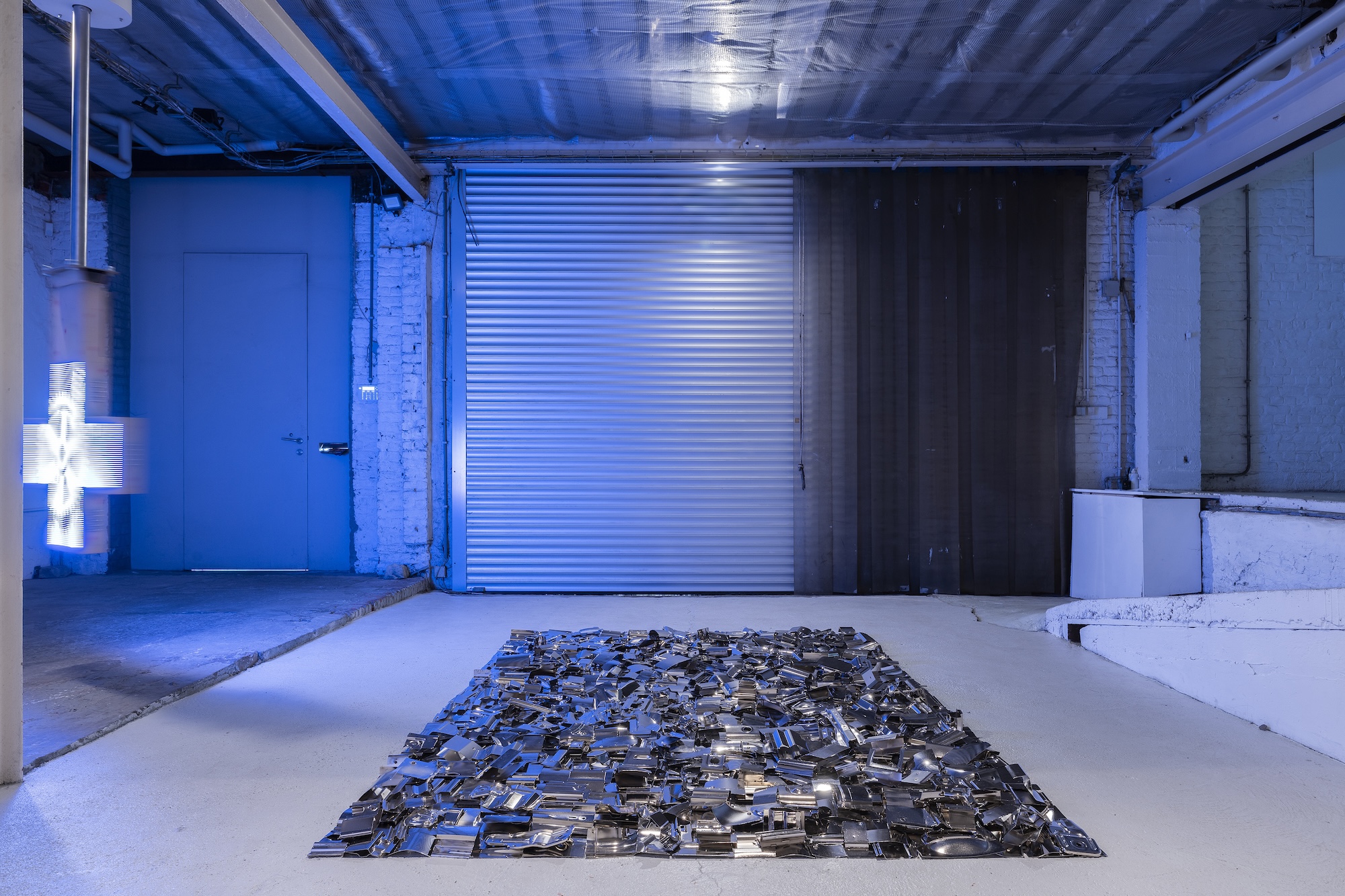
hear/here approaches silence as something active rather than empty. Under Lorraine de Thibault’s direction, the selection places Lawrence Abu Hamdan, Sophie Calle, Gillian Wearing, and the duo Nathalie Djurberg and Hans Berg in close conversation about what remains unspoken or forcibly suppressed. The residential context is important: Alain Servais’s former home hosts guest curators who reinterpret a collection centered on experimental positions. Here, quietness bears civic and political pressure without losing its poetic edge. Separate pieces treat absence as evidence or constraint. The arrangement rewards sustained viewing, notably when listening counts as much as looking. It is quietly demanding.
Isaac Andrews: I Wish I’d Taken More Photographs
STEMS Gallery
September 10 – October 3, 2026
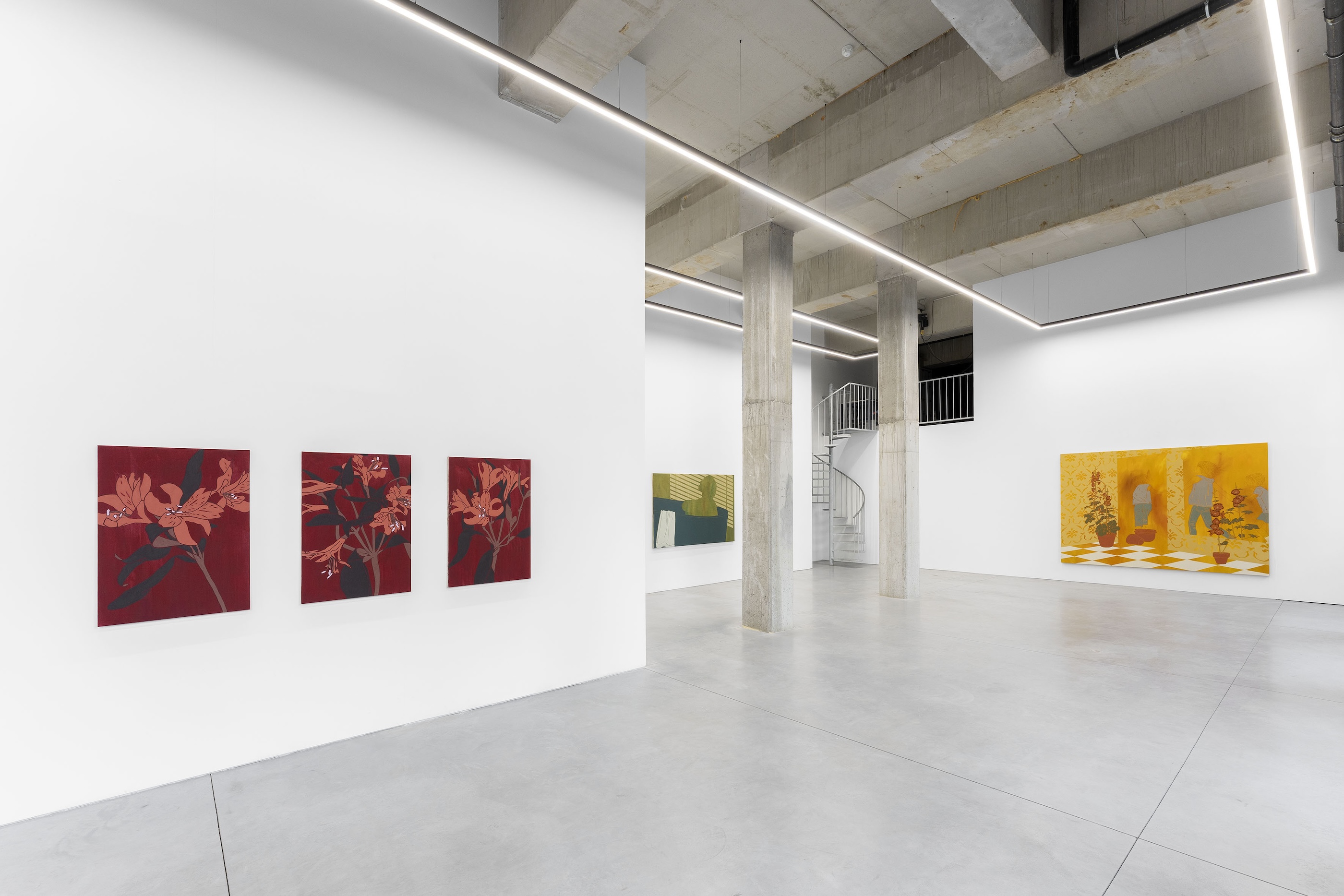
Isaac Andrews’s solo exhibition contains nine oil paintings arranged around domestic interiors with afterimages. Wallpaper and patterned fabric define each scene, so each canvas recalls a cinematic still, although the lighting refuses realism. Longing and loneliness emerge through mood rather than plot. The floral pictures are strikingly tender, treating growth and decay as transitional states. I Wish I’d Taken More Photographs (2026), the largest piece, sets the ensemble’s central pulse: a camera can preserve an instant, but it cannot capture everything felt around it. Andrews leaves ample room for viewers to fill in what's missing from the narrative context.