.webp)

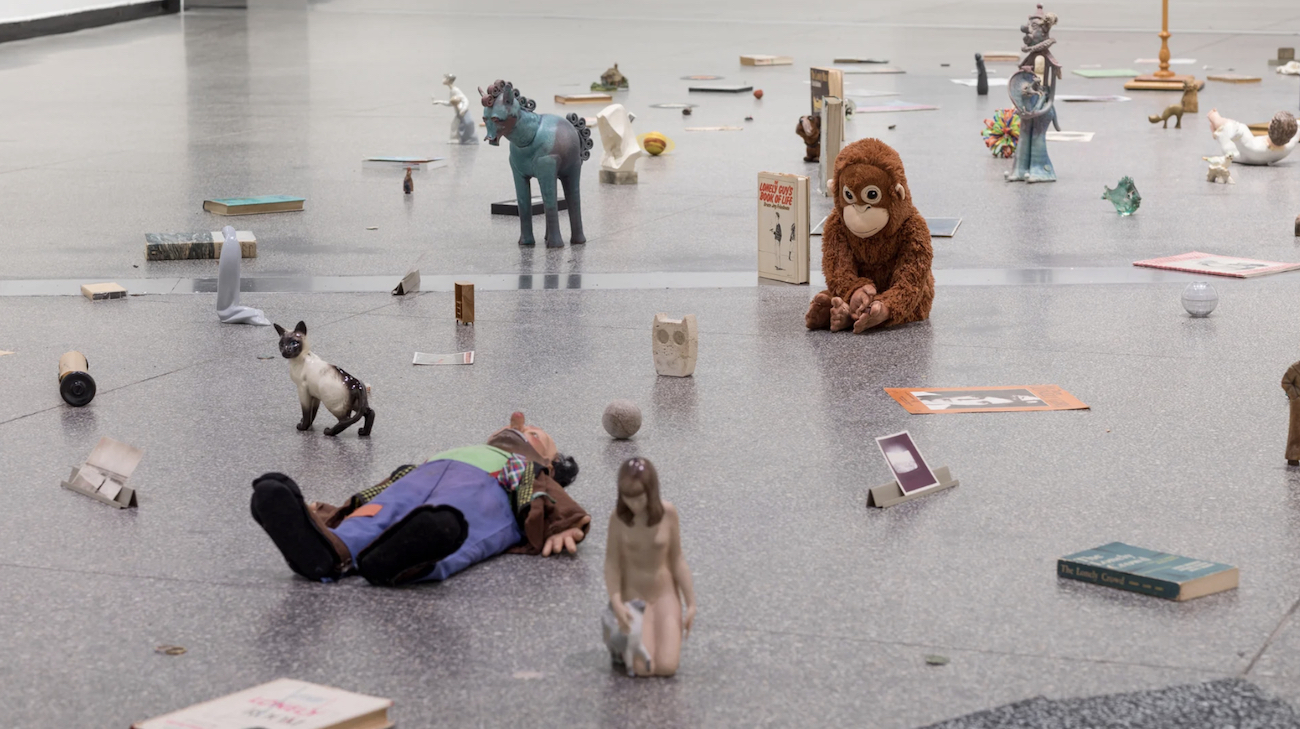
“Are you lonely tonight?” at the Australian Centre for Contemporary Art
Review
What is a debt, anyway? A debt is just the perversion of a promise. It is a promise corrupted by both math and violence.1
Debt is embedded in the foundation of capitalism itself. Debt transforms an economic transaction into a relationship of unequal power, with the creditor holding a claim on the debtor’s future. As philosopher Marina Vishmidt argues, debt forecloses one’s future—what has not yet been earned has been promised away.2 The debtor’s choices are bound to the demands of repayment, with freedom tied to the maintenance of economic solvency. This recalls the Marxist concept of “capitalist realism,” in which alternatives to the existing economic order become increasingly difficult to imagine—capitalism reigning supreme.3
In Call me gravity, curator Pauline Hatzigeorgiou gathers seven sculptors to explore the gendered implications of indebtedness and the unpaid and often invisible labor of reproduction and maintenance. In the former brewery in Brussels that now houses WIELS, the exhibition responds to the imposing architecture with ample space between the works, while staging minimalist formal interplay between softness and austerity.
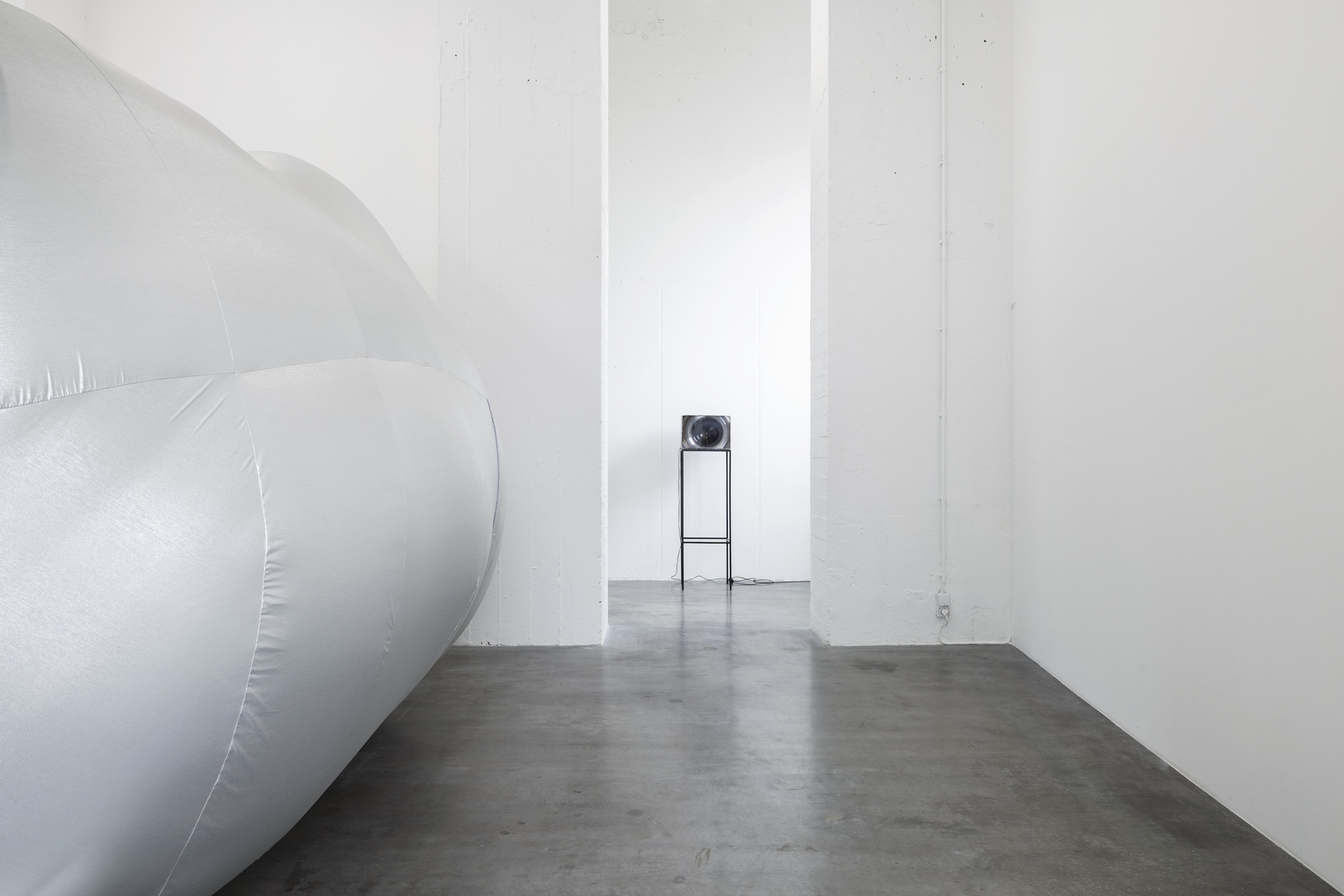
Drawing on her experience participating in the Occupy Wall Street movement in the aftermath of the 2008 subprime mortgage crisis,4 Greek artist Georgia Sagri explores regimes of exhaustion and healing. The exhibition reflects her more recent focus on the labor of motherhood with charcoal drawings alongside two inflatable sculptures, Gone Gone Beyond (2025) and Child: 10 Meditations on Property (2026). The latter installation, which was conceived during the artist’s pregnancy, was activated by two performances that introduced an embodied dimension to the exhibition. The inflatable forms function as vessels for the performer’s body, perhaps recalling the experience of inhabiting a uterus. Yet even apart from the performances, the two massive polyester-grey structures themselves implicate the body, operating with sensory resonance. These works question the boundaries between inside and outside, extending from the mother’s body to the domestic threshold.
This attention to the domestic sphere recalls the historical treatment of reproductive labor as nonproductive in economic terms, precisely because such care routinely goes uncompensated. Along these lines, Sagri’s work evokes feminist discourse like Silvia Federici’s Wages Against Housework5 which called for the recognition and remuneration of domestic work, while highlighting the extent to which capitalist accumulation has relied on free labor, often performed by women denied financial autonomy.
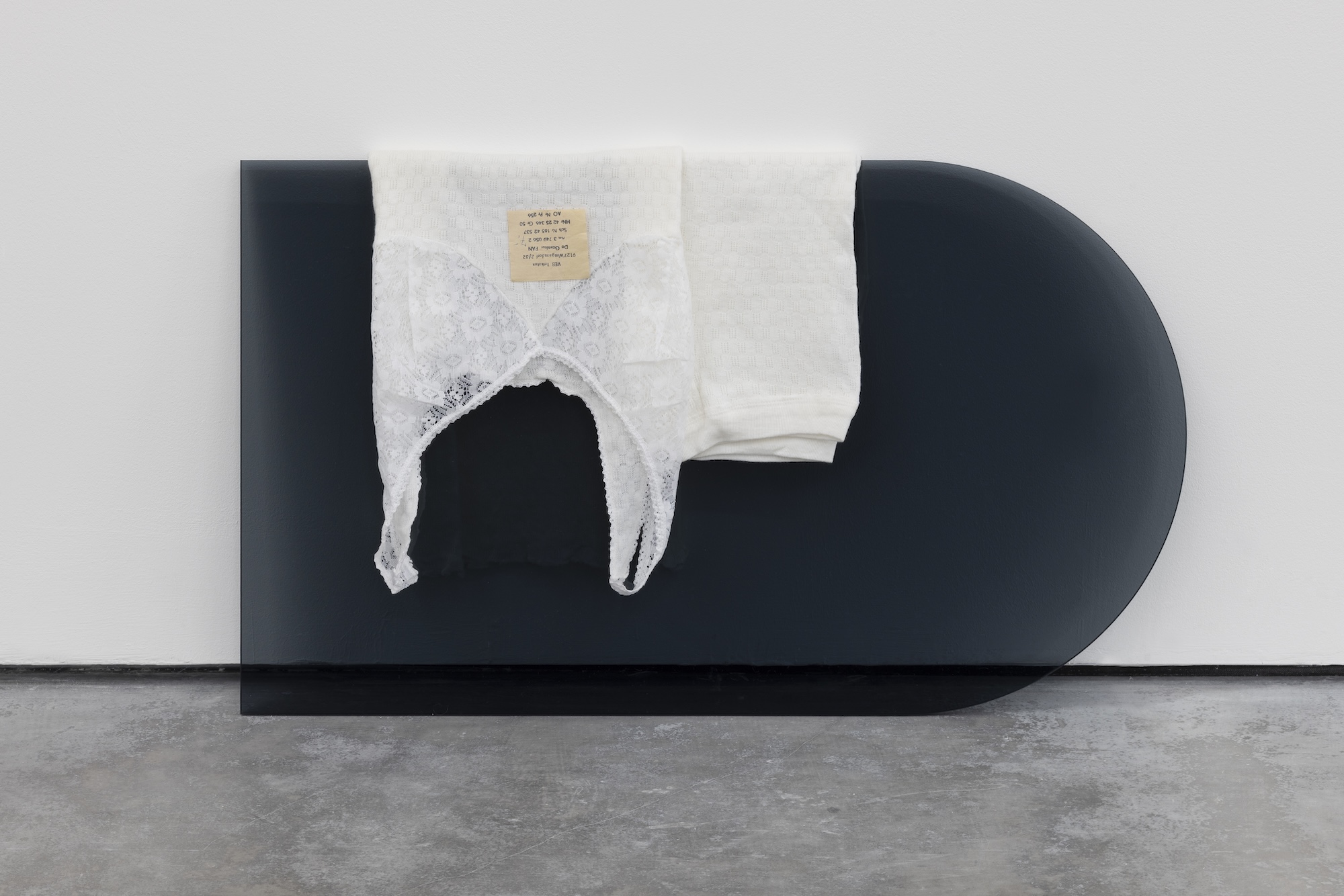
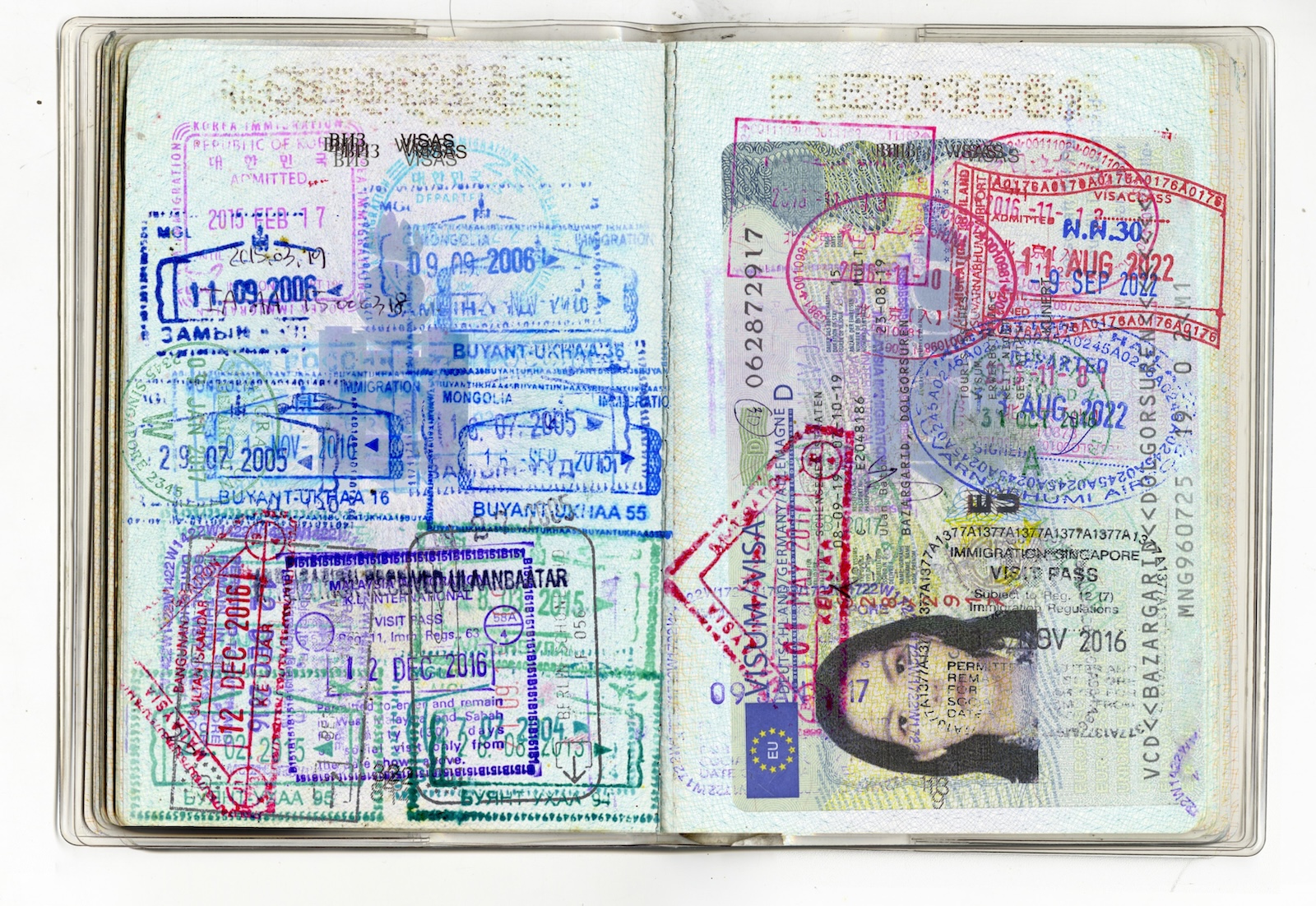
The Berlin-based Vietnamese artist Sung Tieu explores indebtedness in the context of immigration through a postcolonial lens, specifically examining the experiences of Vietnamese workers in the German Democratic Republic (GDR) in the 1980s. Arbeidsovereenkomst (2021) replicates the labor agreement under which Vietnamese workers were temporarily recruited to support East German post-war industry. By displaying the expired contract as an artwork, Tieu challenges a supposedly settled transaction with unresolved questions surrounding the status of Vietnamese people relegated to a legal grey area following German reunification in 1991. Who owes whom—does Vietnam owe Germany, or Germany owe Vietnam, and more specifically the workers who helped build a country that refuses to fully acknowledge them? How, after decades, is it possible to repair a past of racism, segregation, and exploitation? The original contract quantifies labor in wages, but it cannot account for the exclusion, exploitation, and racial violence that surrounded such exchanges. The debt produced by such histories is, in Denise Ferreira da Silva’s formulation, “unpayable”: it cannot be settled solely in economic terms.6 Here, debt names a system of racialized violence that exceeds any formal economic contract.
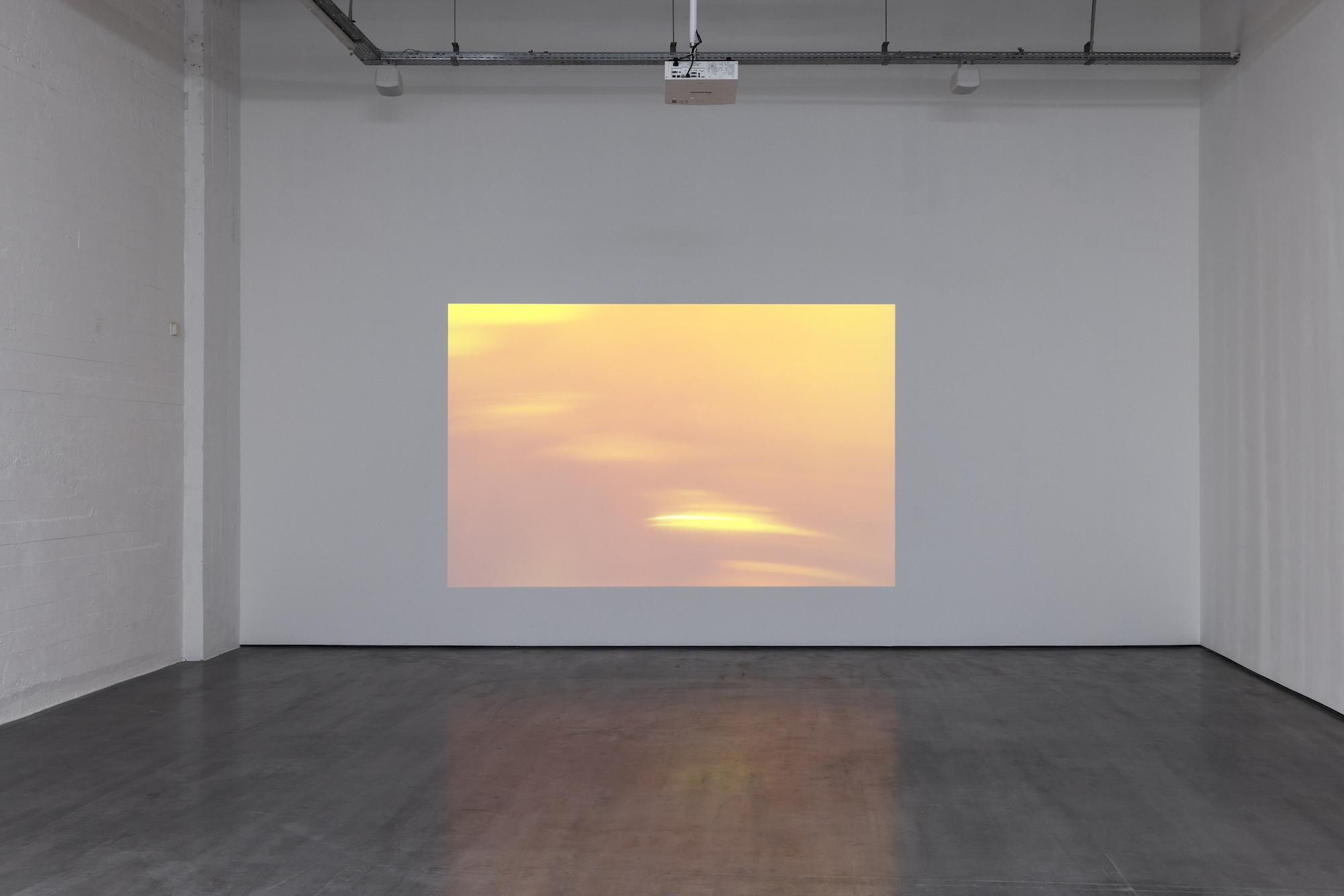
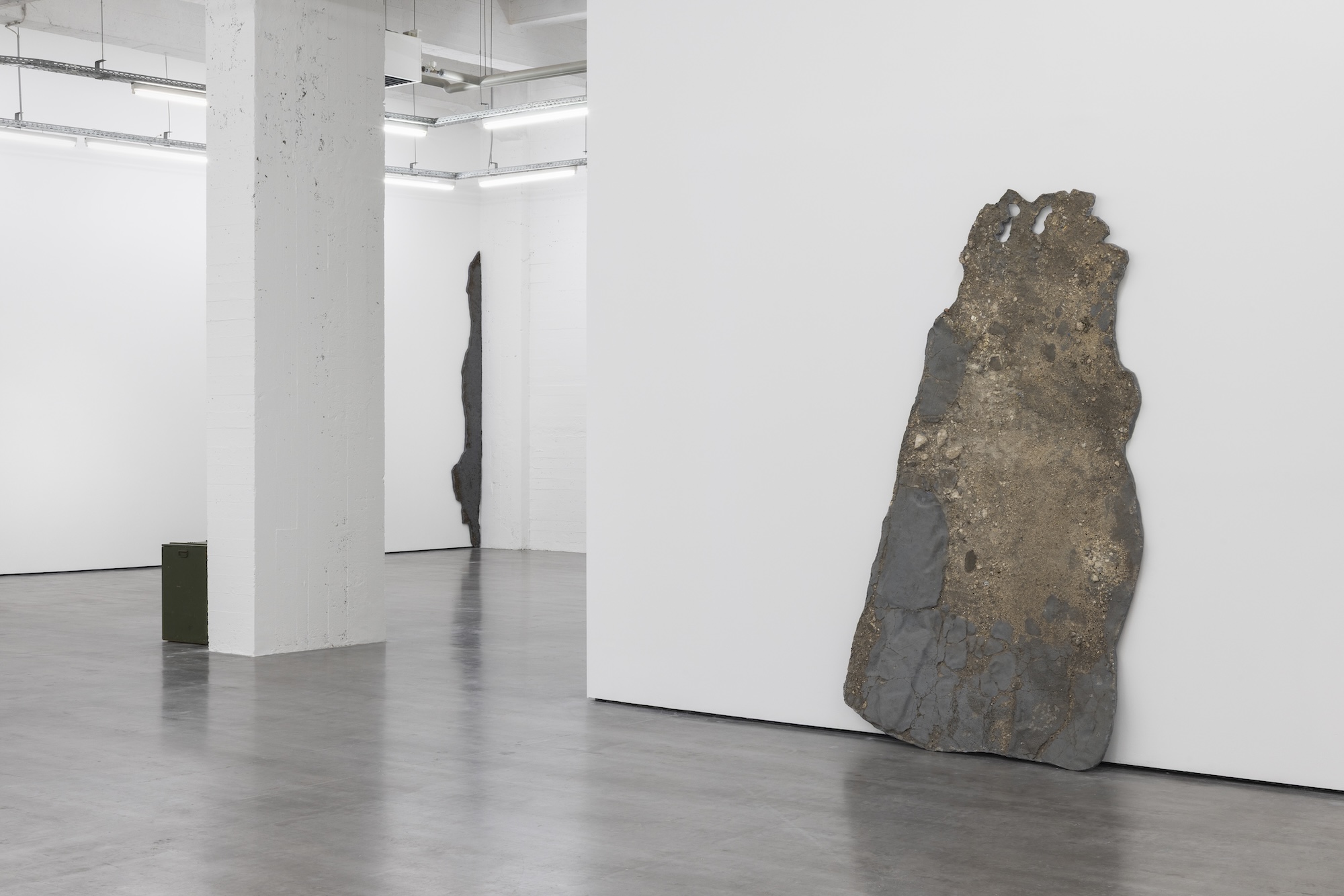
Across the exhibition, artists evoke the complexities of debt beyond economics. Niloufar Emamifar, for example, explores the politics of private property and real estate through Manduria (2025) and The Wolves (2025), two sculptures cast from “sites of indeterminacy” in Salento, Italy, that exceed conventional systems of urban regulation. Annaïk Lou Pitteloud’s Events (2026)—a series based on New York Times headlines—examines the mundane news cycles through which distant disasters enter daily life, simultaneously impacting financial systems. Dora Budor, meanwhile, turns to the economy of attention, using excerpts from Marcel L’Herbier’s L’Argent (1928) to explore the generation and circulation of desire alongside the mechanisms of financial speculation.
Yet while the exhibition’s expansive understanding of debt opens productive lines of inquiry, its breadth comes at the expense of conceptual and formal cohesion. The exhibition explores factors underpinning indebtedness—from reproduction and migration to private property and geopolitical violence—without necessarily articulating the relationships between different forms of debt. As a result, certain works, like Gianna Surangkanjanajai’s “push sculptures” addressing art-world value production, seem only loosely tethered to the show’s premise. At the same time, rather than allowing different forms of indebtedness to complicate one another, the exhibition’s didactic framing repeatedly redirects back toward debt as an overarching category.
The exhibition’s spatial language is similarly clinical: works appear isolated from one another, giving the impression of autonomous worlds rather than a network of interconnected conditions. Its elements seem to coexist without necessarily generating productive friction or meaningful dialogue. Simultaneously, the massive scale of WIELS’s white-walled infrastructure, which renders its contents comparatively small, exudes institutional power—the sort of authority that the exhibition claims to question though leaves largely unchecked.
The formal restraint throughout seems to limit the exhibition’s capacity to engage with the affective dimensions of debt—its capacity to constrain futures, generate anxiety, produce dependence, and oppress individuals. Particular works such as Tieu’s Rest in Power (2022) explore debt as lived through the body rather than simply understood as a system—modeling a sensitive approach that the exhibition at large neutralizes, subsuming embodied and affective registers within an abstract conceptual framework. Rather than defining debt exhaustively, the exhibition might have embraced the slightly off-kilter poetry of the individual works. The question might then become what debt feels like: the weight of an obligation, the foreclosure of a future, the intimacy of dependence, the uneasy promise of repayment.
Call me gravity is on view at WIELS, Brussels, from June 12 to September 20, 2026.
References:
1 David Graeber, Debt: The First 5,000 Years (New York: Melville House, 2011).
2 Marina Vishmidt, Speculation as a Mode of Production: Forms of Value Subjectivity in Art and Capital (Leiden: Brill, 2018).
3 Mark Fisher, Capitalist Realism: Is There No Alternative? (Winchester: Zero Books, 2009).
4 Georgia Sagri, Stage of Recovery (London & Brussels: Divided Publishing, 2021).
5 Silvia Federici, Wages Against Housework (Bristol: the Power of Women Collective & Falling Wall Press, 1975).
6 Denise Ferreira da Silva, The Unpayable Debt (Berlin: Sternberg Press, 2022).