

In Conversation with Anna Heisterkamp
Interview
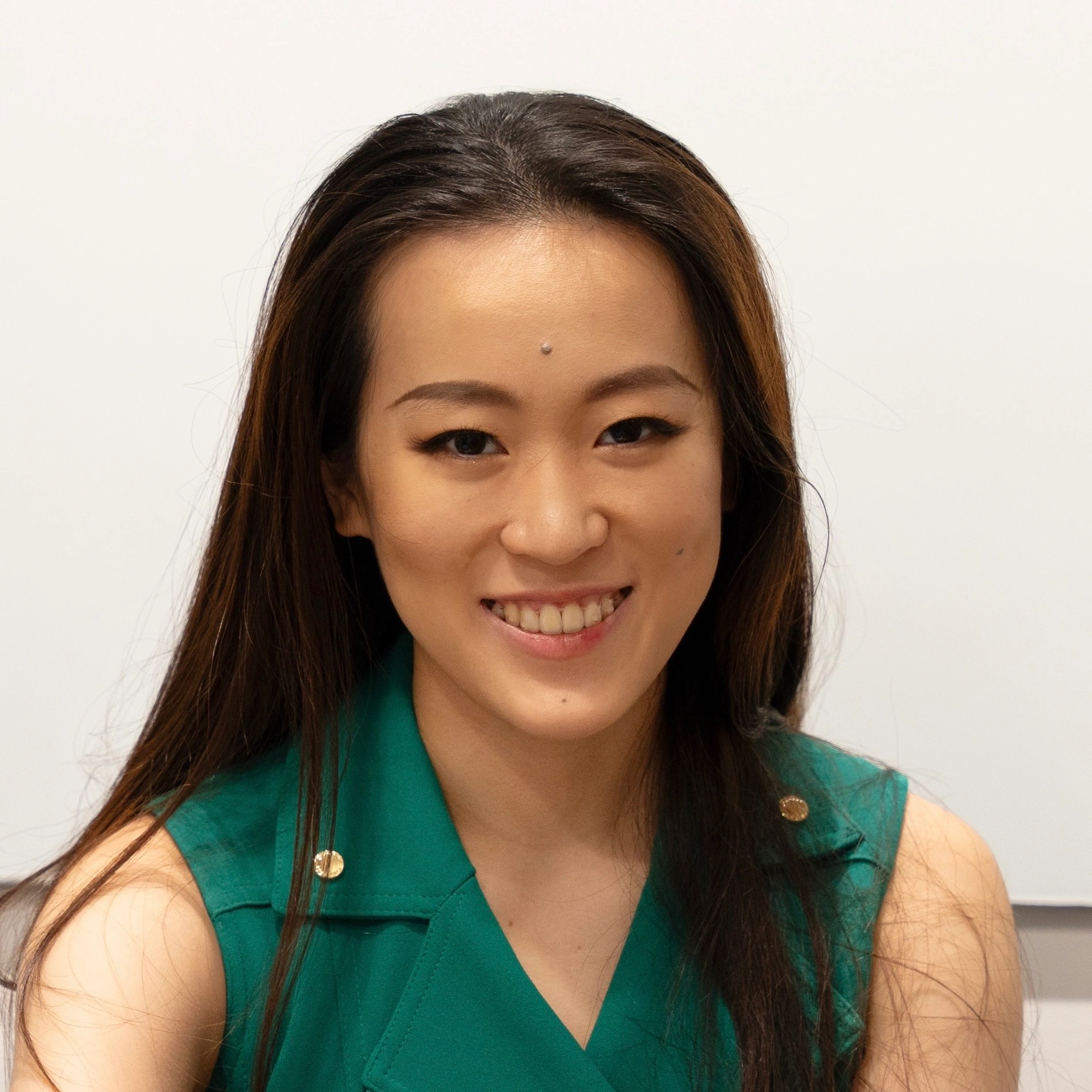
For the third edition of The Immigrant Artist Biennial (TIAB), Identity Card, individual cause-based philanthropy proved key to supporting an ambitious, women-led program. This year’s fundraising initiative focused on supporting curatorial positions, with Iana Safina, Lesley Bodzy, Bailey Coleman, and Cynthia Wu supporting the work of Sanna Almajedi, Sofia Thiệu D’Amico, Eva Mayhabal Davis, and Anna Khimasia, respectively.
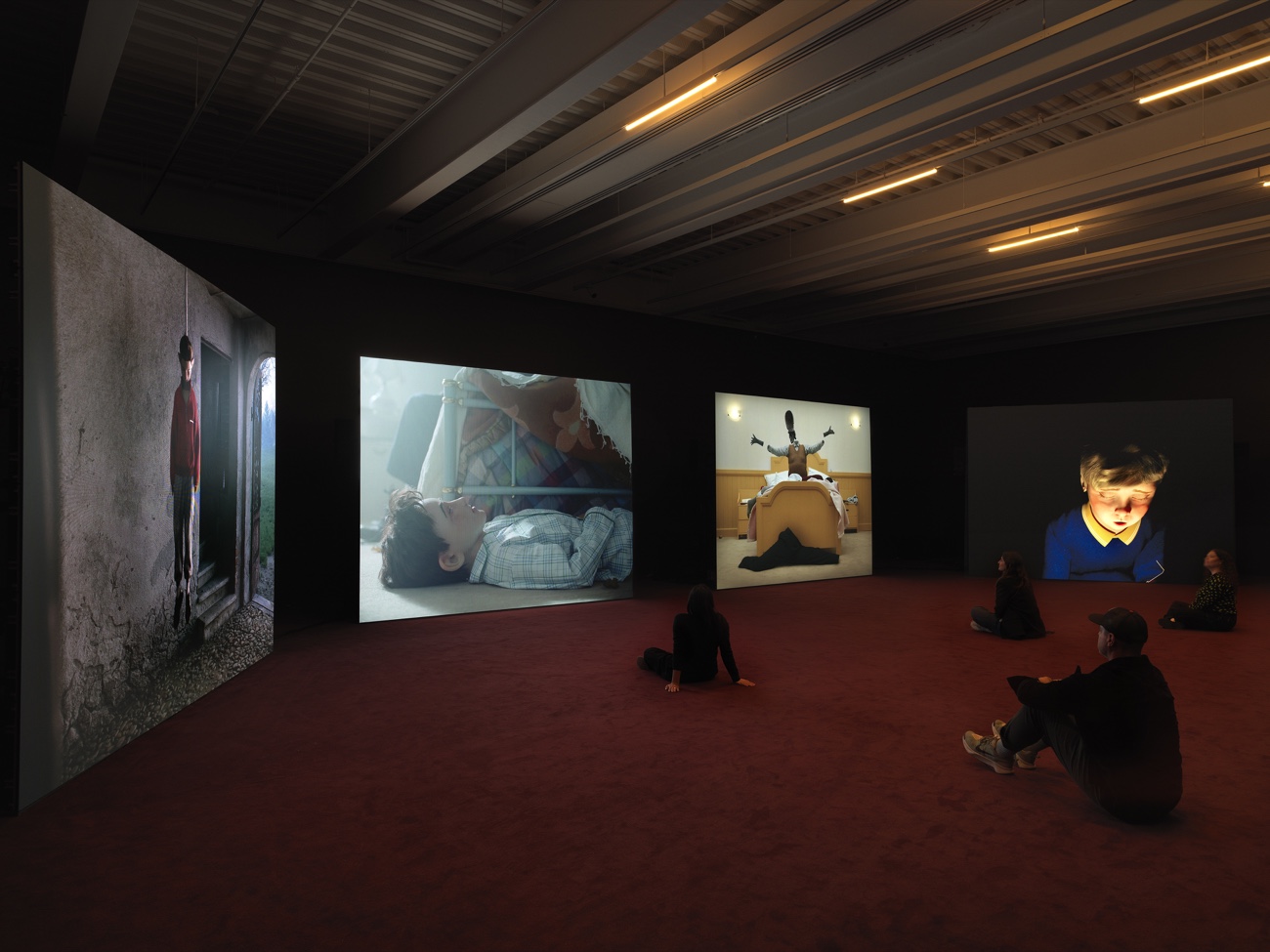
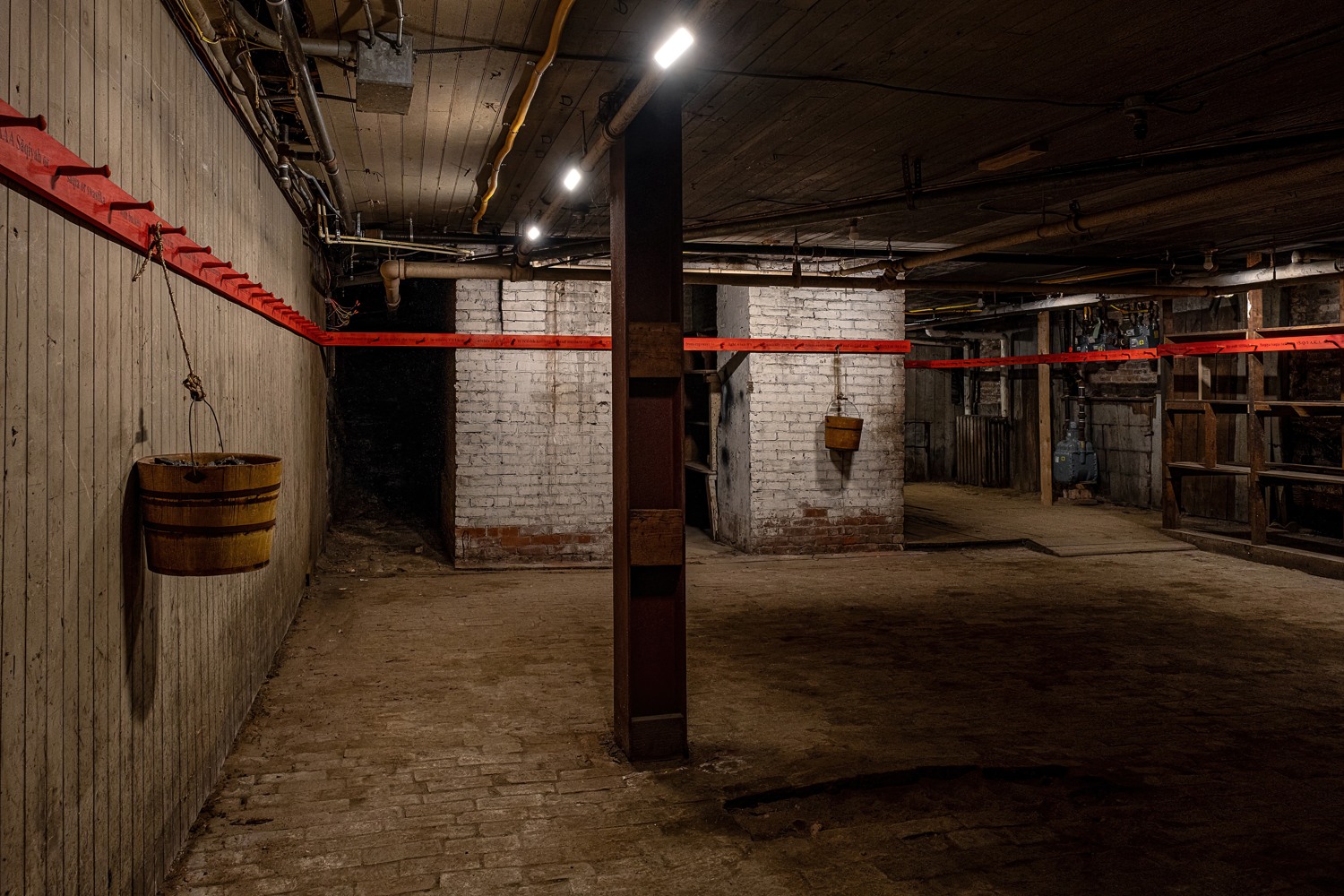
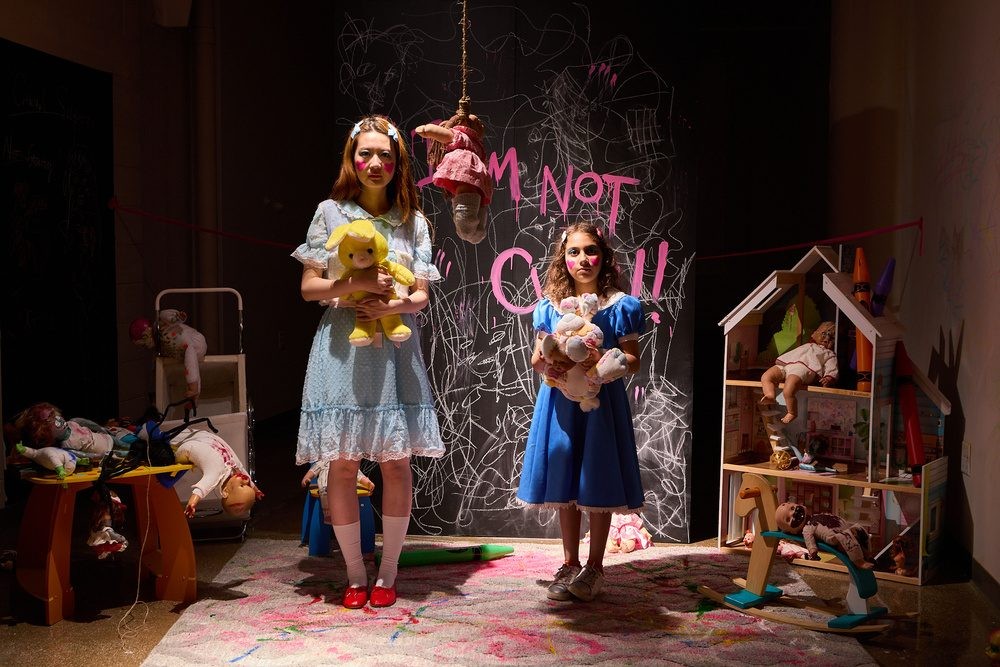
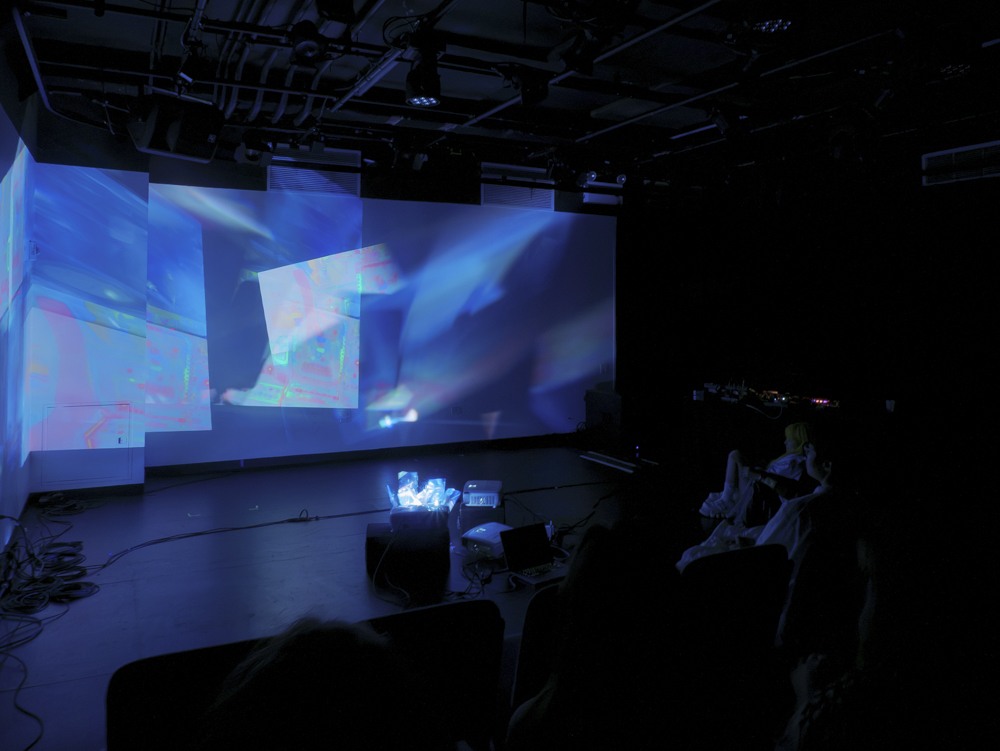
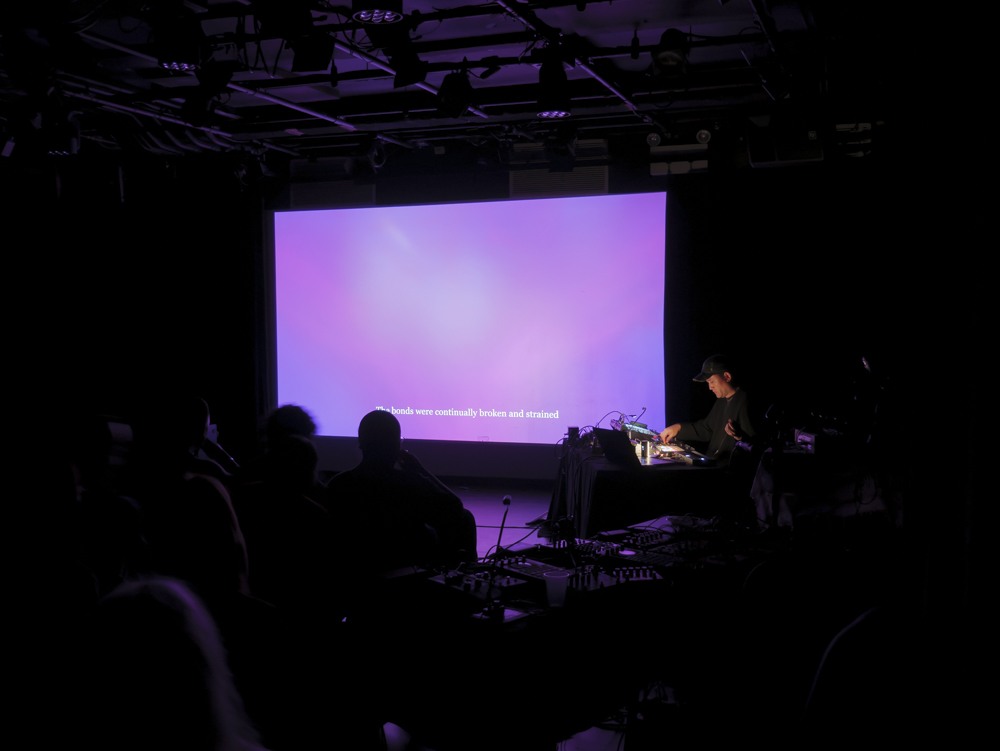
Running across New York from October 8 through November 11, 2026, Identity Card presented seven multimedia public programs on migration, belonging, censorship, and collective memory. At Essex Kitchen, LuLu Meng’s Pinch of Us, with Amanda Phingbodhipakkiya and Rujuta Rao, brought Taiwanese, Thai, and Indian dumpling-making traditions into a participatory workshop. Anh Vo’s newly commissioned Phoenix Forever took performance to the Hudson waterfront, while Plant Ecologies and Migration at Residency Unlimited examined how botanical classifications echo the language used to police human movement. At BRIC, Memories of Disruption brought sound, moving images, and live performance together to explore the continuing effects of colonial and imperial violence. The closing program, What We Carry, considered the transmission of memory, culture, and trauma across generations.
Taken together, these programs make a case for the crucial role of arts philanthropy at a time when government funding is scarce, and inclusion efforts are censored and surveilled. In a conversation with IMPULSE, artist Lesley Bodzy and art historian Cynthia Wu describe how that commitment grows from their own participation in artistic communities. Bodzy approaches giving through relationships and an understanding of the opportunities artists need, while Wu sees it as a practical means of addressing unequal access to visibility and resources. Their perspectives locate philanthropy within the ongoing work of building a community and show how support directed toward a shared purpose can help that community shape its own cultural life.
Xuezhu Jenny Wang: How did you first get involved in arts philanthropy? How did your professional/personal background influence this journey? Are there any moments along this journey that you consider particularly gratifying or special?

Lesley Bodzy: My involvement in arts philanthropy has grown very organically out of being an artist and being part of the New York art community for many years. I’ve always felt that artists depend on one another, not only for inspiration, but for opportunities, introductions, advocacy, and simply for the feeling that we are not working in isolation. As an artist, I understand firsthand how much can change when someone creates an opportunity for you, makes an introduction, shows up for your work, or simply believes in what you are doing. Over time, I’ve wanted to be that person for other artists and organizations whenever I can.
I don’t think of philanthropy as something separate from my artistic practice. It is part of being engaged in a community. Some of the most gratifying moments have been seeing an artist or an organization I believe in gain visibility, reach a new audience, or create something that would not have existed without that support. There is something very meaningful about knowing that even a relatively small contribution can become part of something much larger.
Cynthia Wu: I see arts philanthropy as inseparable from the curatorial and research work I do. My long-term goal is to build lasting connections within New York's Chinese and broader Asian diaspora art community, helping emerging and underrepresented artists gain the visibility, resources, and platforms they need to thrive. Philanthropy, for me, isn't separate from that goal; it's one of the structural tools that makes it possible, alongside exhibitions, research, and translation work.
XJW: What drew you to the mission of The Immigrant Artist Biennial? How would you characterize your engagement in arts philanthropy—is it issue/mission-driven? People-driven? Or is it something else?
CW: As a Taiwanese art historian building my career in New York, I've experienced firsthand what it means to navigate an art world that wasn't originally built around your own cultural context. TIAB's mission to center immigrant artists feels urgent to me right now, not just symbolically but structurally, because visibility and resources for these communities are still so unevenly distributed. Supporting TIAB is one concrete way I can help shift that, even in a small way, while I'm still early in my own career.
LB: What drew me to TIAB is both its mission and the people behind it. I’m particularly drawn to organizations that recognize that artists need more than exhibition opportunities - they need community, visibility, dialogue, and a sense of belonging. TIAB has built a platform around exactly those things, while creating meaningful visibility for immigrant artists who bring enormously diverse perspectives and experiences to the cultural landscape.
I would say my involvement is primarily people-driven, although the people and the mission are inseparable. I tend to support individuals and organizations when I feel a genuine connection to what they are doing and when I believe their work contributes something important to the larger art community.
As an artist myself, I’m especially sensitive to the importance of creating spaces where people can be seen and heard. TIAB’s emphasis on gathering, exchange, and mutual support feels particularly meaningful right now. The 2026 edition is creating opportunities for artists and audiences to come together through screenings, performances, conversations, workshops, and other public programs.
For me, supporting TIAB is ultimately about supporting artists and supporting the kind of cultural ecosystem in which artists can continue to take risks, build community, and make meaningful work.
XJW: What do you consider to be the antidote to the reality that government funding is not prioritizing the arts? Are you optimistic or pessimistic?
LB: I think the antidote is collective responsibility. When government support for the arts is limited or uncertain, it becomes even more important for individuals, collectors, galleries, foundations, businesses, institutions, and artists themselves to recognize that they all have a role in sustaining the cultural ecosystem.
I’m optimistic, but I’m also realistic. I don’t think private philanthropy can simply replace public funding, nor should it have to. But I do believe there is tremendous generosity within the art community, and I’ve seen how people come together when they believe something is worth protecting.
What gives me optimism is that art communities are incredibly resourceful. Artists continue to make work, curators continue to create opportunities, and organizations continue to find new ways of bringing people together. TIAB itself is an example of that kind of resilience. Its evolution into a more programmatic, collaborative model for 2026 demonstrates that cultural organizations can adapt while remaining committed to their core purpose.
Ultimately, I think supporting the arts is not only about preserving exhibitions or institutions. It is about preserving the ability of artists to imagine, question, communicate, and create new ways of understanding one another. That is something worth investing in.
XJW: Cynthia, how does arts philanthropy differ here from Taiwan?
CW: In Taiwan, arts patronage tends to be more centralized around a smaller number of long-established collectors, corporate foundations, and government cultural funding bodies, with less of a grassroots, individual-donor culture around specific causes like immigrant or diaspora artists. In New York, I've been struck by how much of the funding ecosystem for organizations like TIAB relies on a broader, more distributed network of individual supporters who are directly engaged with the mission, not just major institutional donors. It's a different, and in some ways more accessible, model of participation.
This interview has been edited for length and clarity.