In Conversation with Yvonne Shortt
Interview
Fifty years ago, the Arts for Living Center opened on the Lower East Side. Today, it is known as Abrons Arts Center, the cultural program of Henry Street Settlement, and the only contemporary art institution in New York City integrated within a social services agency. Its current director, Ali Rosa-Salas, treats that distinction as something to build on at a moment of accelerating divestment in the arts and accelerating unaffordability for the artists who make them.
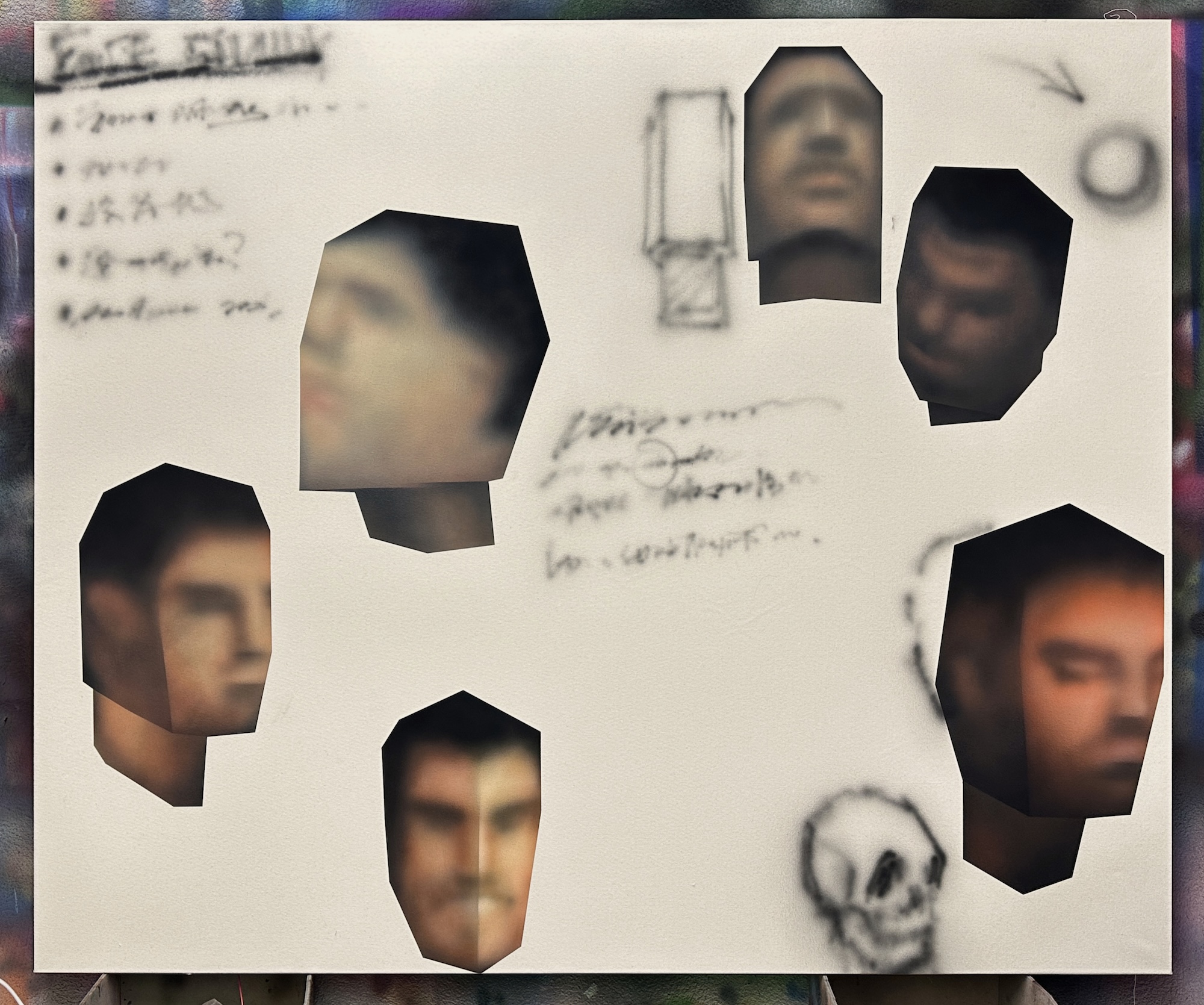
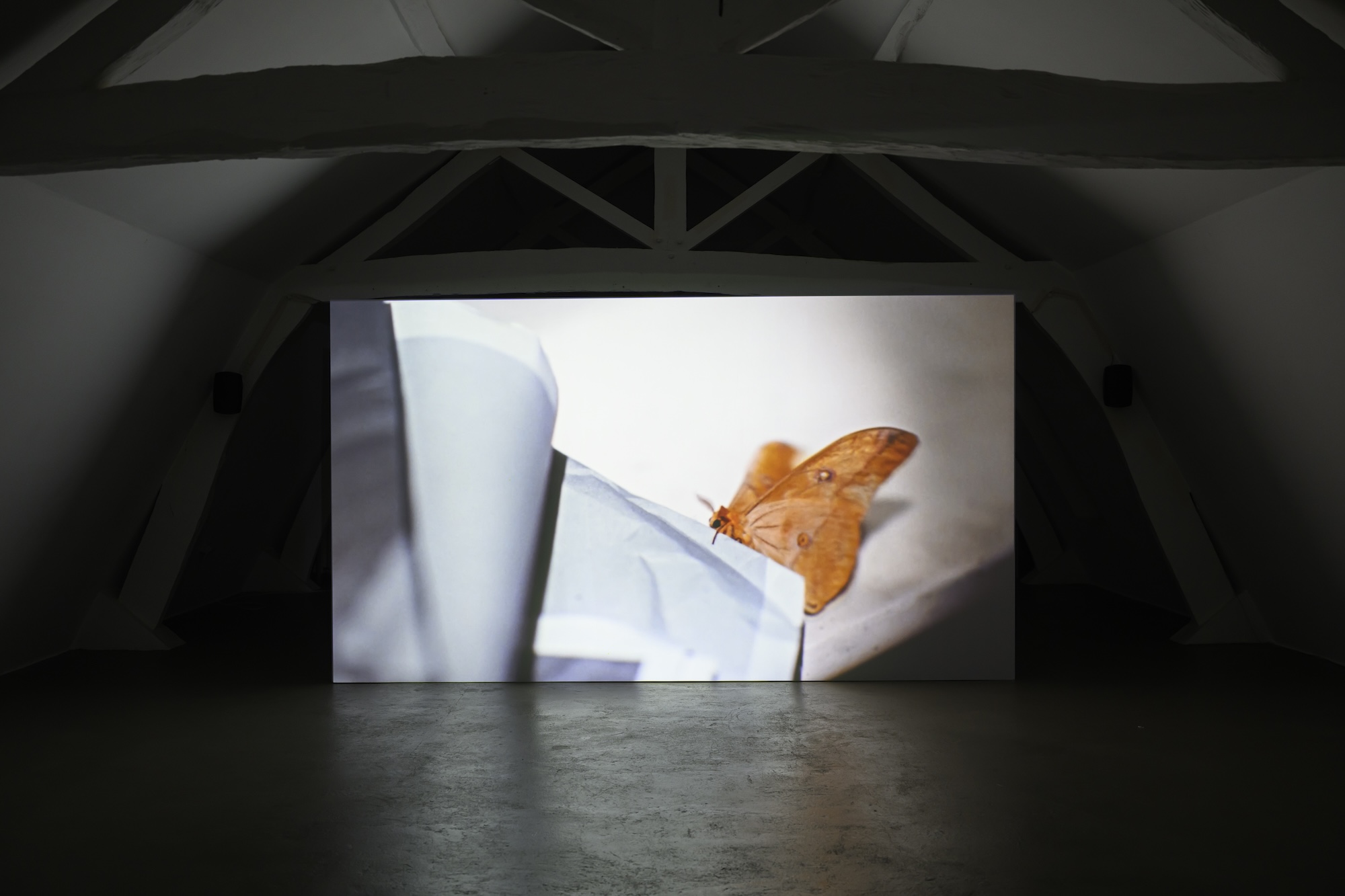
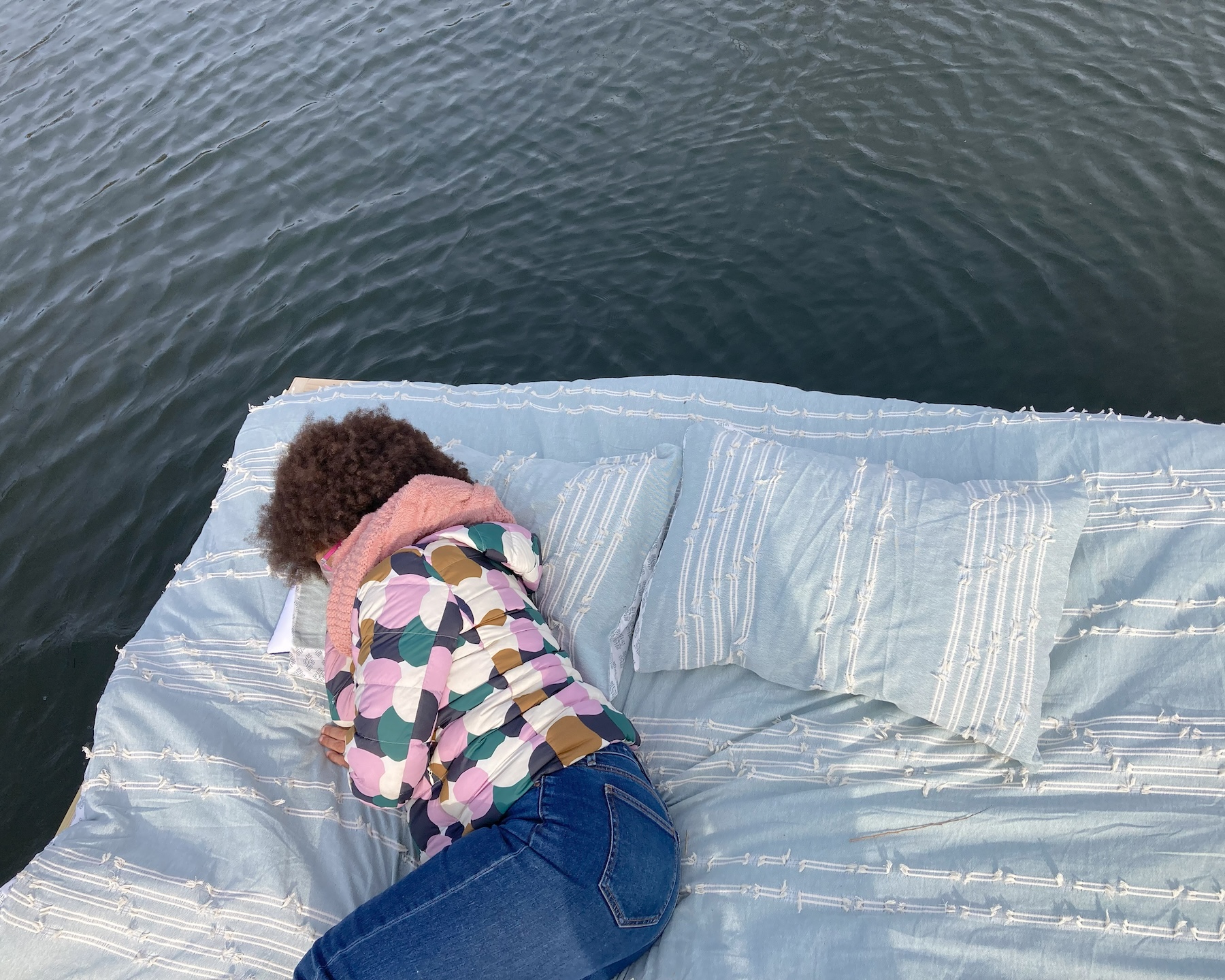
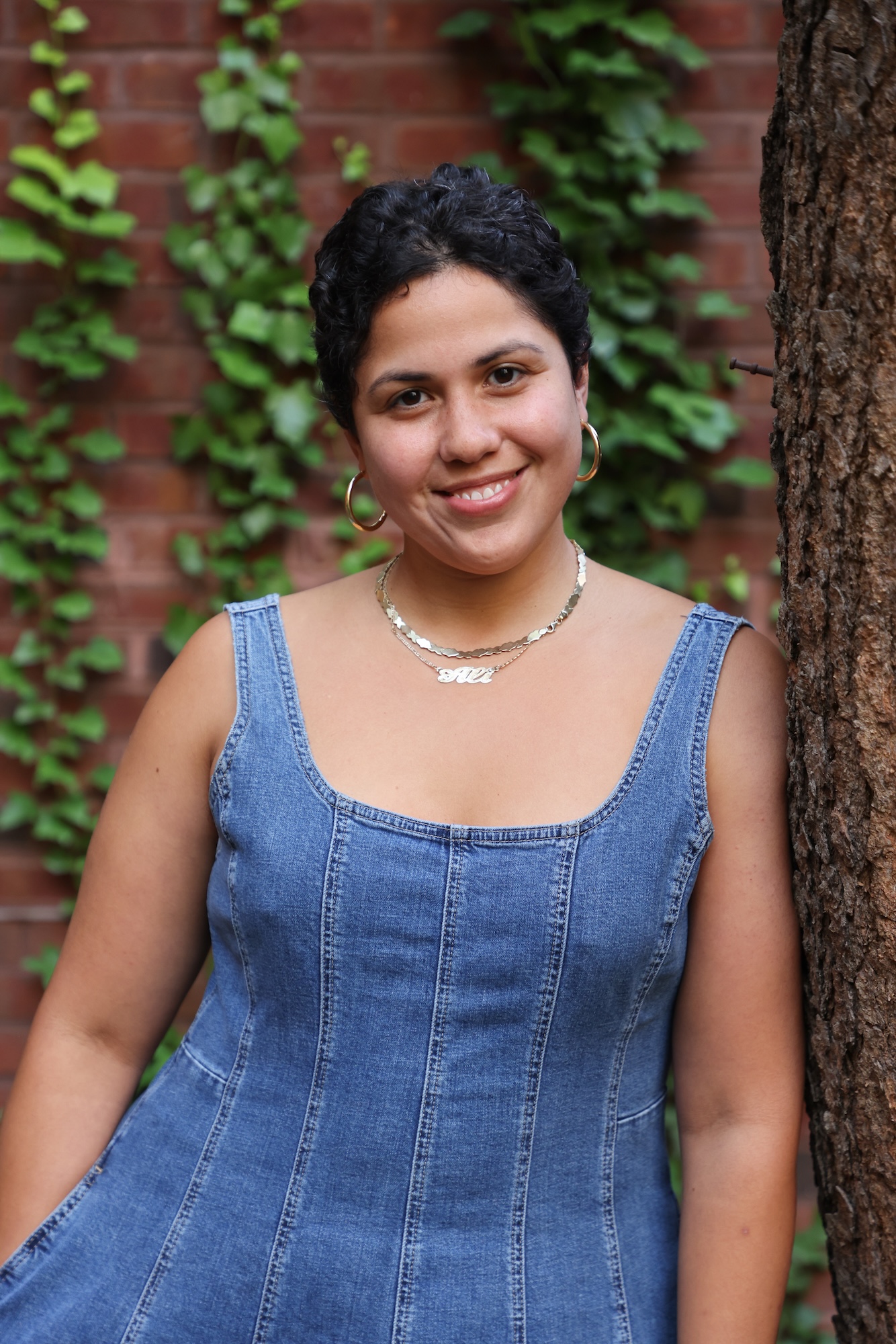
A born-and-raised New Yorker, Rosa-Salas was named Vice President of Visual and Performing Arts at Henry Street Settlement and Director of Abrons in 2023. Her tenure has coincided with renovations to the building, the centering of artist residencies as the Arts Center’s programmatic anchor, and the launch of the Arts for Living Campaign, a $250,000 push to safeguard residencies, commissions, and free programming against shrinking public support. In June, she opens an exhibition culminating two years of work by Abrons’s visual artist residents alongside their mentors. In an interview with IMPULSE writer Eden Chinn, Rosa-Salas speaks about leading from humility, the ecology of New York’s cultural landscape, and what an open-door institution owes the people who walk through it.
Eden Chinn: You describe your curatorial practice as rooted in the “public good.” Where did that framework come from?
Ali Rosa-Salas: When I say “curatorial practice rooted in supporting and serving the public good,” I’m thinking about how arts and culture are a resource that should be readily and accessibly shared—just like access to housing, education, and work. All of these are elements of human survival. For me, the capacity for our species to be creative and to express ourselves through cultural production is just as important as those other basic needs. That understanding—that the role of the arts is not an extracurricular but a foundational condition of life—comes firstly from my upbringing. My mom is an artist, and I experienced firsthand the way that being an artist offered her opportunities for self-determination, community building, and her capacity to have confidence in her voice. Those life experiences and being a New Yorker led me to align with the mission of Henry Street Settlement and its cultural program, the Abrons Arts Center. The Arts Center exists alongside our social work practitioners, our older adult center, our early childhood center, our workforce, and our transitional and supportive housing. Being part of that prism has solidified my belief in the arts as a public good.
EC: If arts and culture are a basic need, what does it mean to do that work in a city that's actively making it harder for artists to stay?
AR: As someone born and raised in New York City, I try not to have many things keep me up at night besides my kid, but the other thing that concerns me is the unaffordability of New York City and the real crisis of stability for New Yorkers, particularly those for whom there’s no other hometown to go back to. That’s connected to the history of the settlement, rooted in the strength of immigrant communities and newly arrived New Yorkers building this city to be what it is. There’s truly an existential question of “Where else do I go if I can’t afford to live here anymore?” That’s a question artists living in New York are facing acutely.
As a cultural center that’s part of a social services agency, Abrons acutely understands how the conditions of your life shape whether you’re able to show up. If folks can’t meet their basic needs, we have a really big problem. What happens to the stories, the perspectives, the ways of being for those who do not have the means or familial wealth to stay here and continue pushing forward what arts and culture can mean, not only for the city but for the world?
The cultural landscape of New York City is an ecology. Every institution is doing its own thing really well, and we all need each other to balance us out. Given our connection to the settlement and our roots in the Lower East Side, the part of the ecology Abrons is best positioned to serve is artists rooted in New York City who are also from here, trying to sustain life here, and communities of artists who may or may not identify as professionals but are interested in learning.
A cultural institution also understands that changes in SNAP work requirements could impact your capacity to make work or to show up to take an art class. An arts institution can say: “Hey, you can actually learn about those benefit changes across the street, because we know that’s probably on your mind right now and is why you can’t show up to class.” That’s where we’re uniquely positioned at this time.
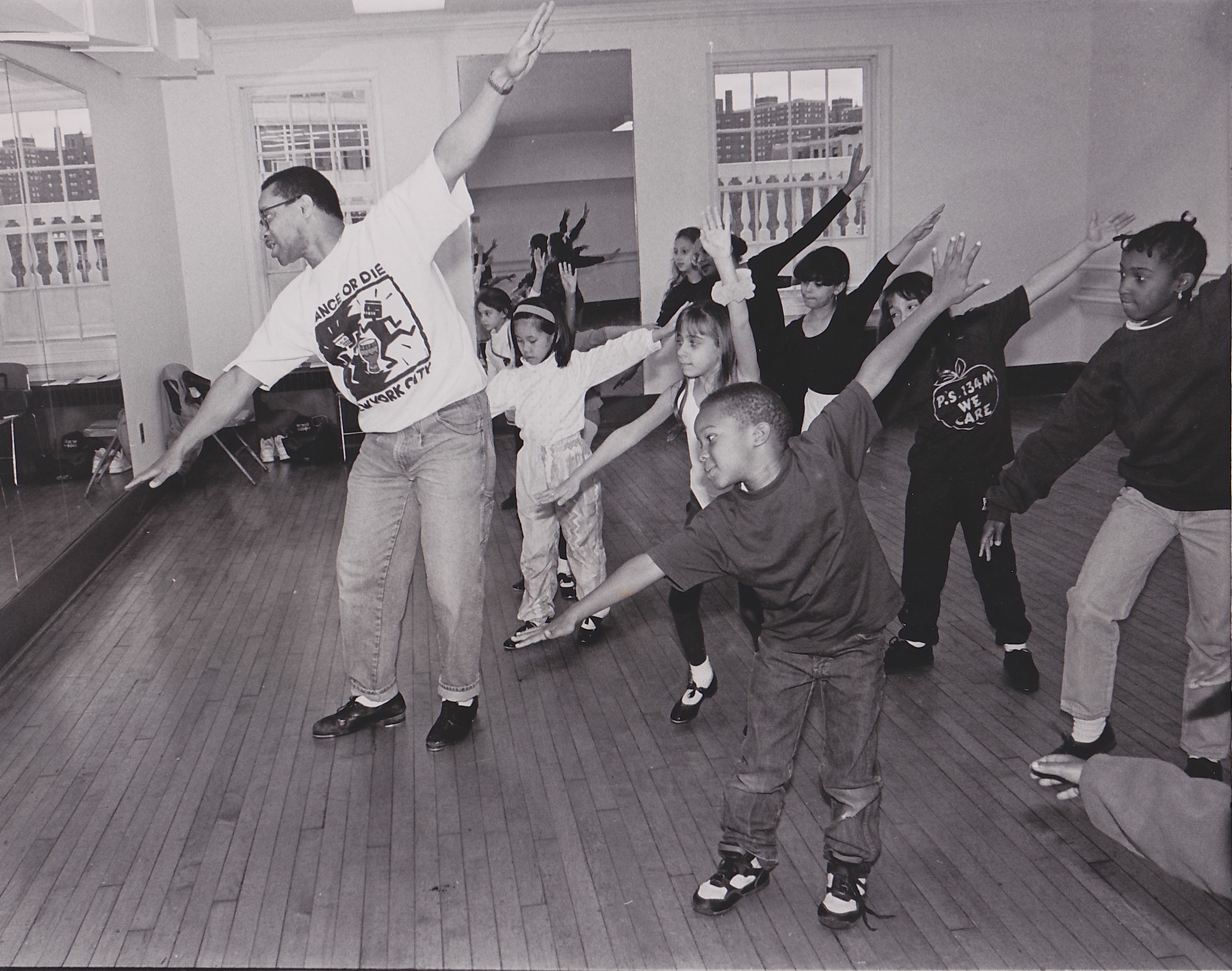
EC: Henry Street has been on the Lower East Side since 1893, founded in response to a crisis of stability for newly arrived New Yorkers. What from that founding still shapes what Abrons curates today?
AR: The settlement was founded in response to our founder Lillian Wald’s calling to support newly arrived New Yorkers. A lot of immigrant communities landed on the Lower East Side—this was their first point of departure in the United States. As a nurse, she observed firsthand that this new community of New Yorkers had no social safety net, not just from a healthcare perspective but in all of the elements that make life worth living: stable housing, food, workforce development, and arts and culture. The settlement house model started in London. A lot of settlement houses were rooted in religion and in cultural assimilation. Wald and the settlement were distinct because she really wasn’t interested in an assimilationist approach. She was committed to emphasizing the importance of cultural diversity, and that was incredibly influenced by the cultural diversity of the Lower East Side.
In the history of the Arts Center’s programming, there has been such an investment in and integration of the immigrant communities that have made the Lower East Side what it is. We’ve historically hosted Yiddish theater, reflective of communities that have called this neighborhood home for a long time. We were home to the New Federal Theater, an incredibly prominent Black theater company. Our connectivity to Puerto Rican communities and to artists of the Caribbean diaspora is reflected in the history of our programming. Another part of our legacy is experimentation—a reflection of the Lower East Side as a place that really set the tone for what we understand the avant-garde to be. The histories of nightlife, hip hop, graffiti, streetwear, and the emergent artistic practices of our neighborhood are just as important, and they are reflected in what we curate on our stages and in our exhibitions, in the classes we host, and in what we believe the role of a cultural center is in a neighborhood.
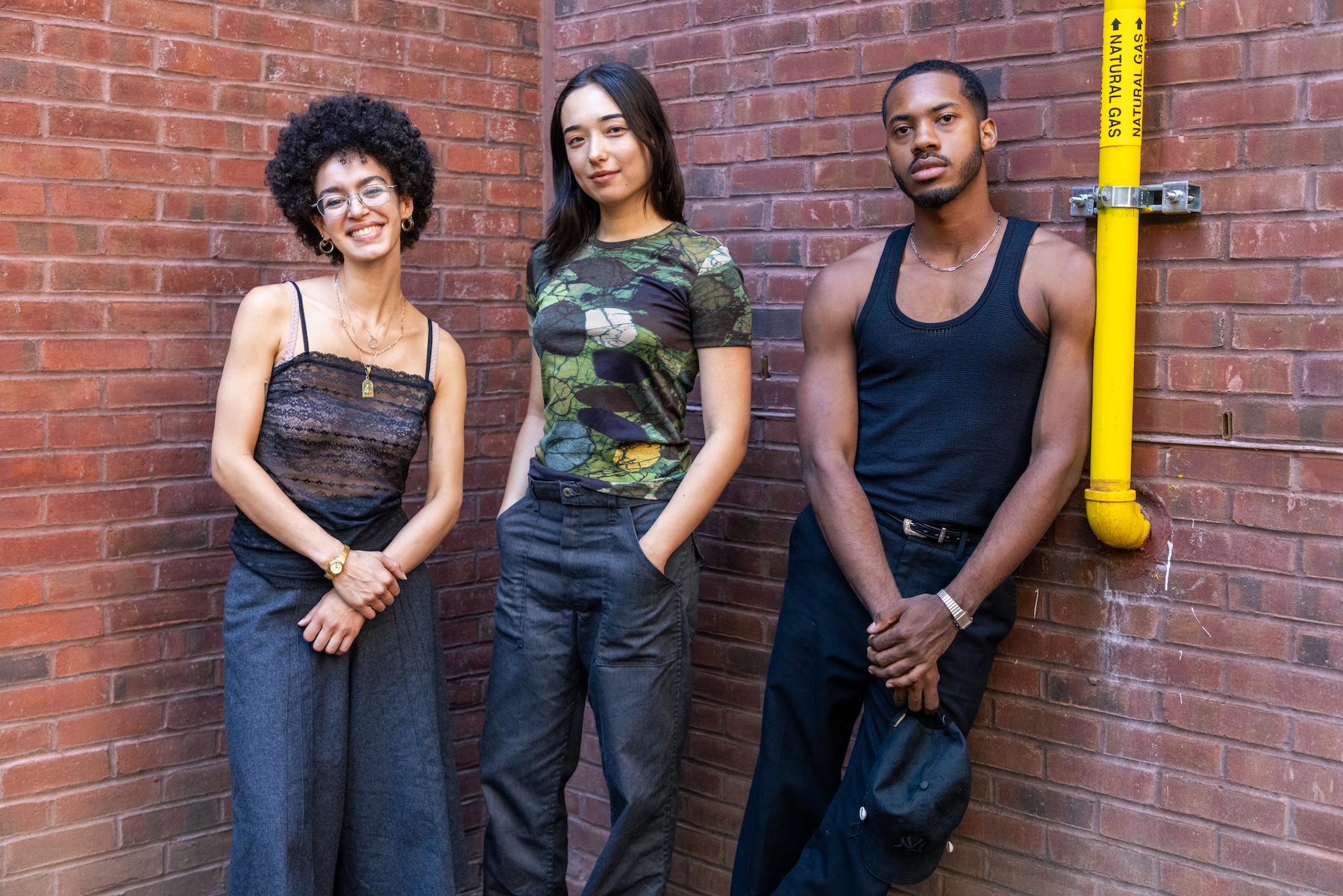
EC: Earlier, you said the conditions of how you're living shape whether you can show up. How does Abrons try to meet artists and learners where they actually are? How does Abrons intervene in the conditions that shape whether artists can keep working here?
AR: I’ll focus on two things: our residency structure and our NYCHA Arts Initiative. Abrons has hosted artist residencies since 1980, our visual artist residency being the longest-running, and we’ve since expanded to support performing artists. We recently made a structural shift to center our residency programs as the programmatic anchor of the Arts Center. We’ve shifted from being solely a presenting venue to a development and incubation hub.
The opportunity for New York City-based artists to have consistent space and time to make new work is incredibly rare outside of an academic context. Where do folks go if they’re not in school but need to develop an idea? Our residency programs are now two years long. We have a producing team on staff that collaborates with our resident artists in the development of their ideas, which are shared with the public at a developmental stage. We provide fully subsidized studio time, a budget to compensate the artists and their teams, and production support to actualize their research in our seasonal programming. It has also been important for us to have time to develop relationships with the artists we’re working with, because we’re all people doing our best.
The longer you have time for things to stew, when you have a home base that’s consistent, the work shows it. In 2021, we began the NYCHA Arts Initiative as a way to invite residents of Lower East Side public housing to engage with our arts education programming. If you live in a Lower East Side public housing development, you take classes here for free. We were the first site of public housing in New York City—some say in the United States. Twenty-five percent of rental stock on the Lower East Side is public housing. Welcoming NYCHA residents with no barrier of cost feels reflective and responsive to the history of our neighborhood and to the conditions of what it takes to make a meaningful life here today.
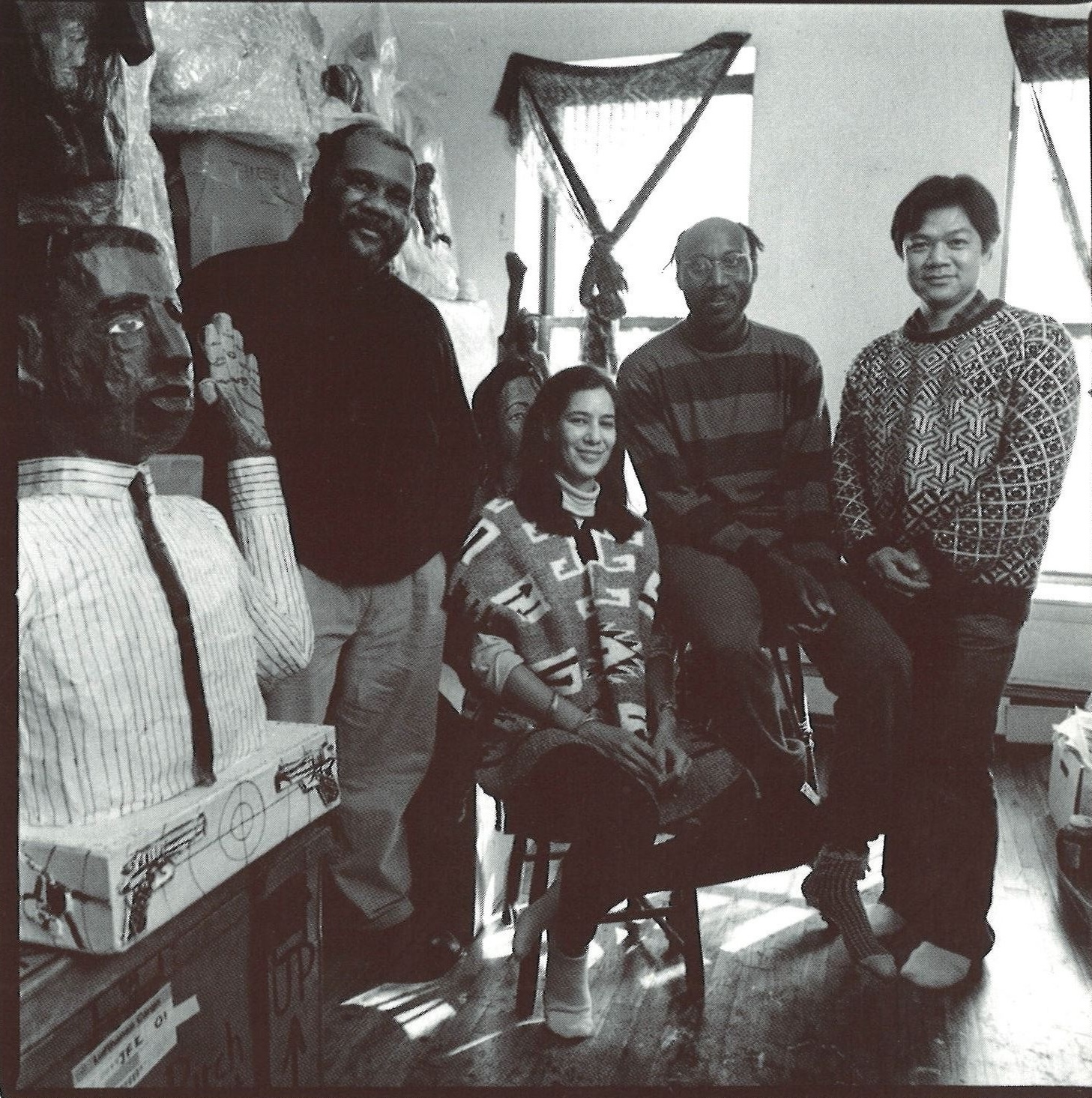
EC: The Arts for Living Campaign positions access to the arts as essential. How does that framing shift how you think about the work?
AR: Particularly at this time, when we’re seeing such an accelerated divestment in arts and culture in this country, positioning arts and culture as a public good in need of investment feels not only timely but necessary. Being unapologetic about our goals in seeking consistent, meaningful financial support has become a critical priority—from my perspective of leadership, but also something my peers should share, given where we’re at.
The other thing the framing affects is the stories and narratives we are proud to uplift. The relationship between community and contemporary is not binaristic. There doesn’t have to be a choice around a contemporary cultural institution being connected to a neighborhood and its residents while also engaging meaningfully with contemporary art. In fact, those ideas need each other to survive and thrive. I look forward to amplifying our learner community, our artists-in-residence, and folks accessing our space to host their own programming, as part of what makes Abrons what it is. It is that diversity in approach that makes us strong, and we shouldn’t have to choose who we are.
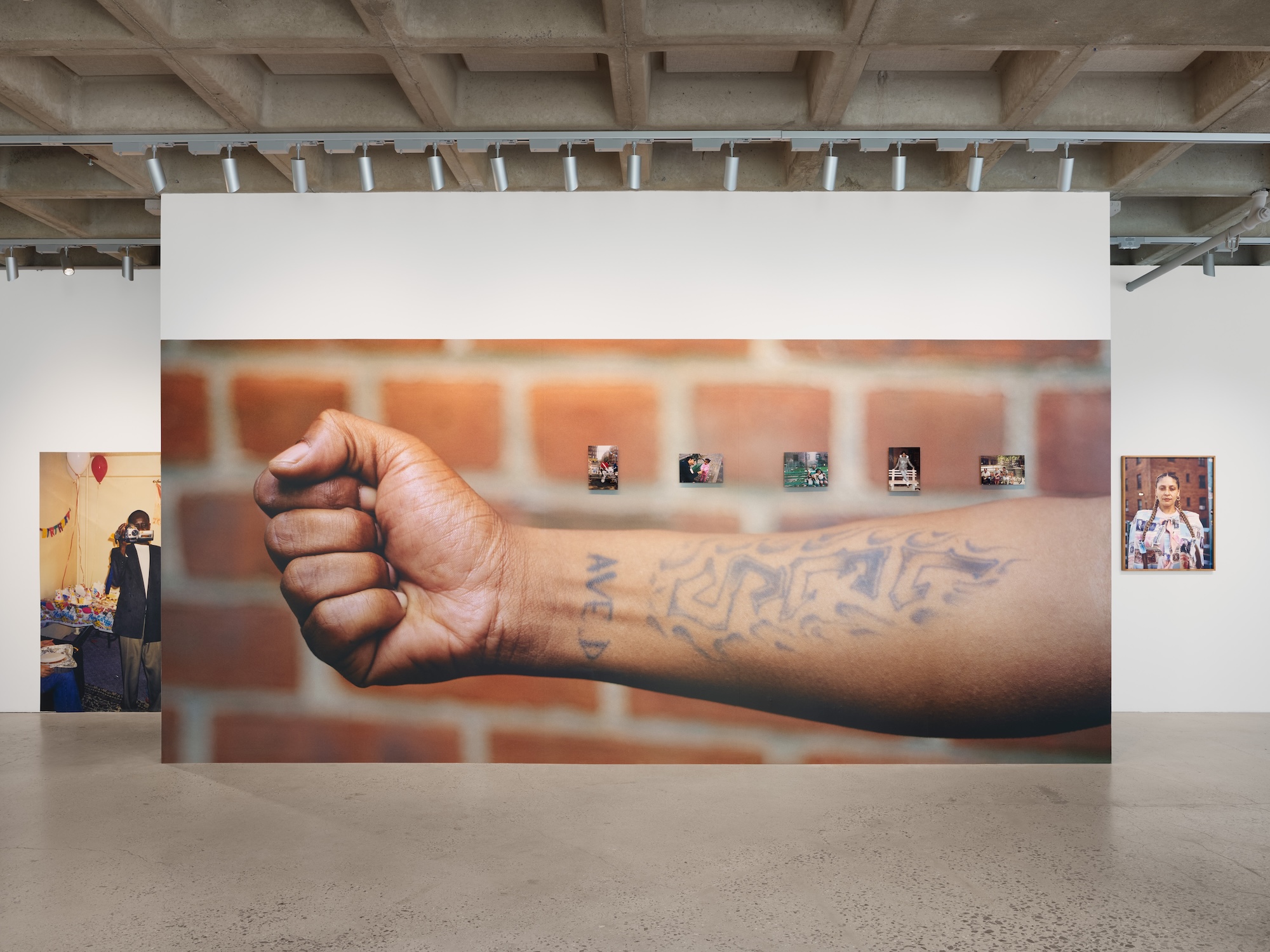
EC: Abrons just completed renovations that expand accessibility and open the building to the neighborhood. How do you think about architecture as part of the curatorial project?
AR: When the 1975 extension was constructed, the architect was Lo-Yi Chan. There’s a really incredible book that an architecture firm wrote about the construction of that side of the building, called Arts for Living. You learn about the design thinking, how community members were involved, and the materiality of the cinder block and the brick as a testament to the values the space wanted to invite: this is not a blue-chip gallery. This is a place where we engage with material in a very direct way; there’s a learning space embedded into it. We carry that ethos today, fifty years later, particularly in our gathering spaces, our plaza, and all of the unusual windows. There’s an emphasis on exposure to process that feels really connected to our commitment to residencies, learning, and experimentation. With live performance—or any art that’s created—you can have a sense of what it is for yourself, but you really learn a whole other dimension once folks engage with it. Architecture is very similar.
The 1975 vision of the building included a lot of concepts that were theoretically devised, but how human beings actually interact with the brick and mortar teaches us what the building is best suited to do, and where we need to grow. That’s connected to a value I have personally and professionally, of humility and iteration—humility and experimentation exist in the same hand. Access was a critical dimension that needed to be addressed in the building. Just getting from point A to point B if you have a mobility device or a stroller—the diversity of community members at this building meant we had to ask, programmatically and architecturally, was it working? I’m grateful that the settlement has made the investment it has, because it speaks to the value of iteration and to how your ideals can be made real in space and time. I’m sure in the next fifty years, there will be a host of other learnings based on how folks perform and move throughout the space.
This interview was edited for clarity and length.