In Conversation with Yvonne Shortt
Interview
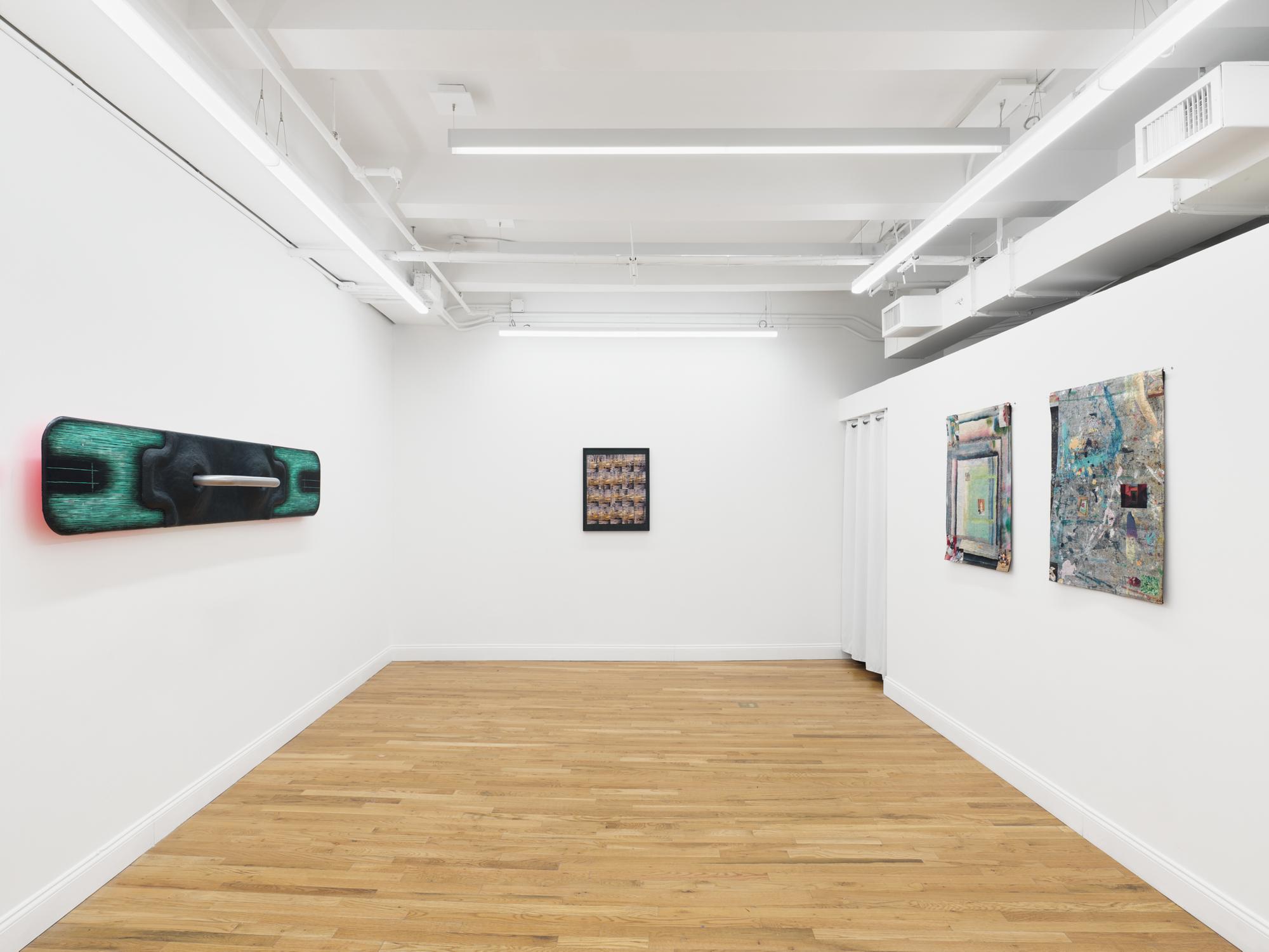
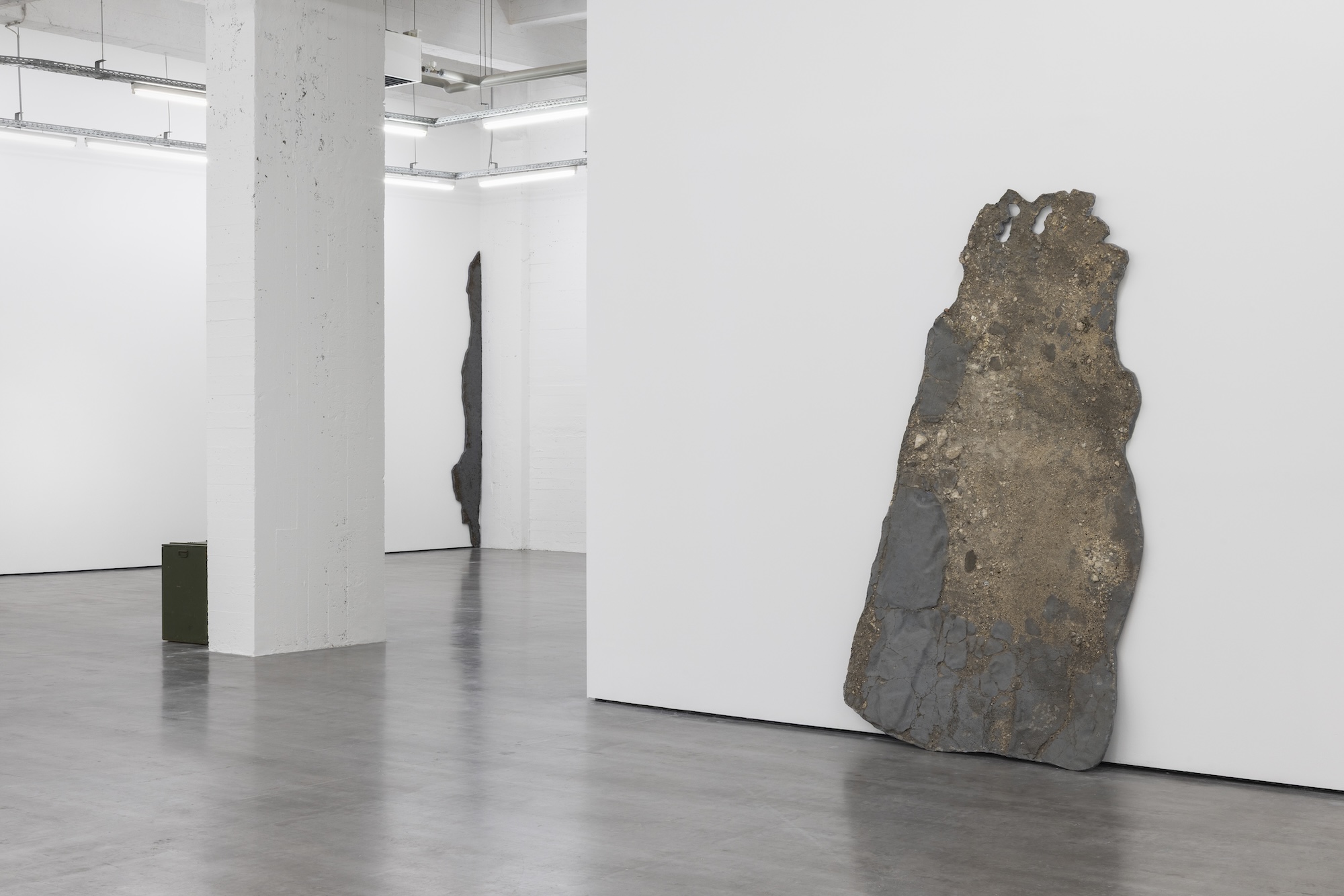
Not all group exhibitions begin with conceptual or aesthetic throughlines. Some emerge from friendships, mentorships, and the networks through which artists shape one another over time. Recent examples include In Celebration of Shadows at Grimm Gallery, curated by Ian Hartshorne, and Chubb Fellows and Friends at the New York Academy of Art. Forever, GAVLAK's twentieth-anniversary exhibition, belongs to this lineage of relational curating. Co-curated by Sarah Gavlak and T.J. Wilcox, the exhibition brings together artists whose practices have informed their thinking across creative, intellectual, and personal spheres. In a recent interview with IMPULSE, Sarah Gavlak, founder and director of the West Palm Beach-based gallery, speaks about shared influences, sustained belief in artists, and what it means to build an art ecosystem from the ground up.
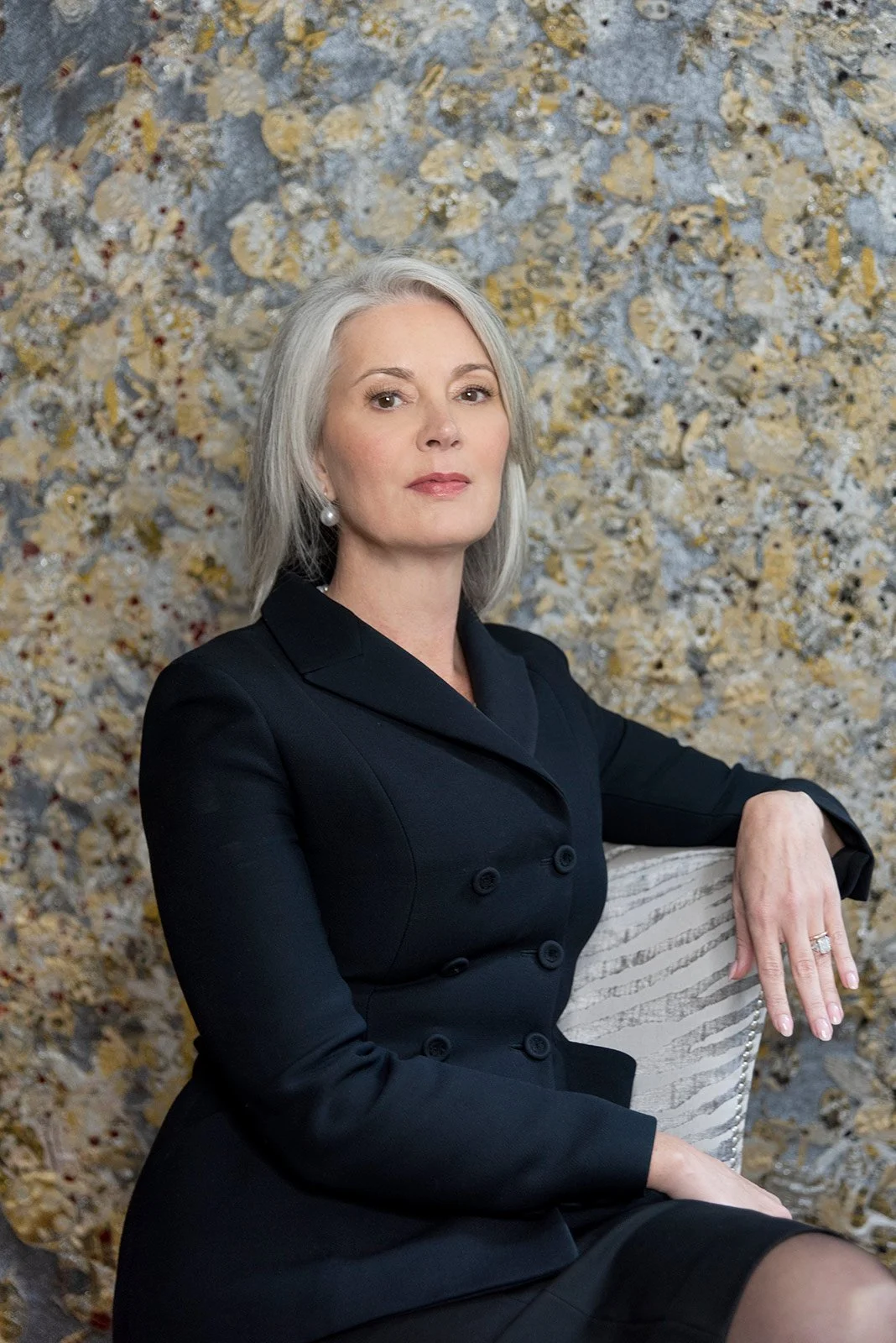
Xuezhu Jenny Wang: Looking back at the gallery’s trajectory, what were the early risks or instincts that, in hindsight, defined the gallery’s identity?
Sarah Gavlak: An early risk was, quite simply, opening a gallery at all, and then choosing to open it in West Palm Beach. After eight years in Los Angeles during and after graduate school, I moved to New York in 2000 to write for art publications, curate independently, and assist with research for museum exhibitions. During that period, I met one of my most influential mentors, Robert Shapazian of Gagosian, who encouraged me to join the gallery.
While working there, I began to notice contemporary works being shipped to collectors in Palm Beach and became curious about that community. As I started meeting collectors with homes in the area, I was struck by a clear gap: there were no contemporary galleries in Palm Beach itself. The collector base was there, but access to contemporary art required leaving the region. That absence registered as both a need and an opportunity.
In 2005, I left New York and opened my first official gallery space in West Palm Beach with a solo exhibition of Wade Guyton’s paintings and sculptures. My program was mostly made up of women artists, and one collector told me that the gallery would not survive because I showed “too many women.” I didn’t let that deter me; instead, I took it as a challenge to prove everyone wrong. Of course, 20 years ago, the market for women artists was still really bad (and while it is better now, we are far from equality). It clarified my commitment to showing women, queer, and BIPOC artists at a time when that focus was still far from the mainstream.
Looking back, those early decisions, like moving away from established centers, building a program in an unexpected location, and maintaining an uncompromising curatorial stance, were part of my instinct to follow where I saw a gap and to support artists who needed a platform.
XJW: The exhibition positions time as relational continuity instead of chronology. What does this framing allow you to do? What shaped your curatorial decisions?
SG: The exhibition approaches time as a network of relationships unfolding over two decades. That framing foregrounds the ecosystem that sustains the gallery: the artists, the curators and writers who contextualize their work, and the collectors and institutions that live with it over time.
Chronology was still a starting point. Looking back to Southern California, particularly my time at Art Center College of Design, I revisited formative relationships and influences. That’s where I met T.J. Wilcox, co-curator of Forever, and where we were shaped by the pedagogical frameworks of Mike Kelley and Stephen Prina. Those early experiences informed the inclusion of artists such as Pae White, Alexis Teplin, Judie Bamber, Jorge Pardo, and Lisa Anne Auerbach.
From there, the selection expanded to reflect the gallery’s broader trajectory. We prioritized artists whose practices have shaped how we think about artistic production and its social dimensions, with particular attention to female, queer, and BIPOC voices. Instead of trying to arrive at a comprehensive survey, the exhibition is a portrait of the gallery’s history as it continues to unfold.
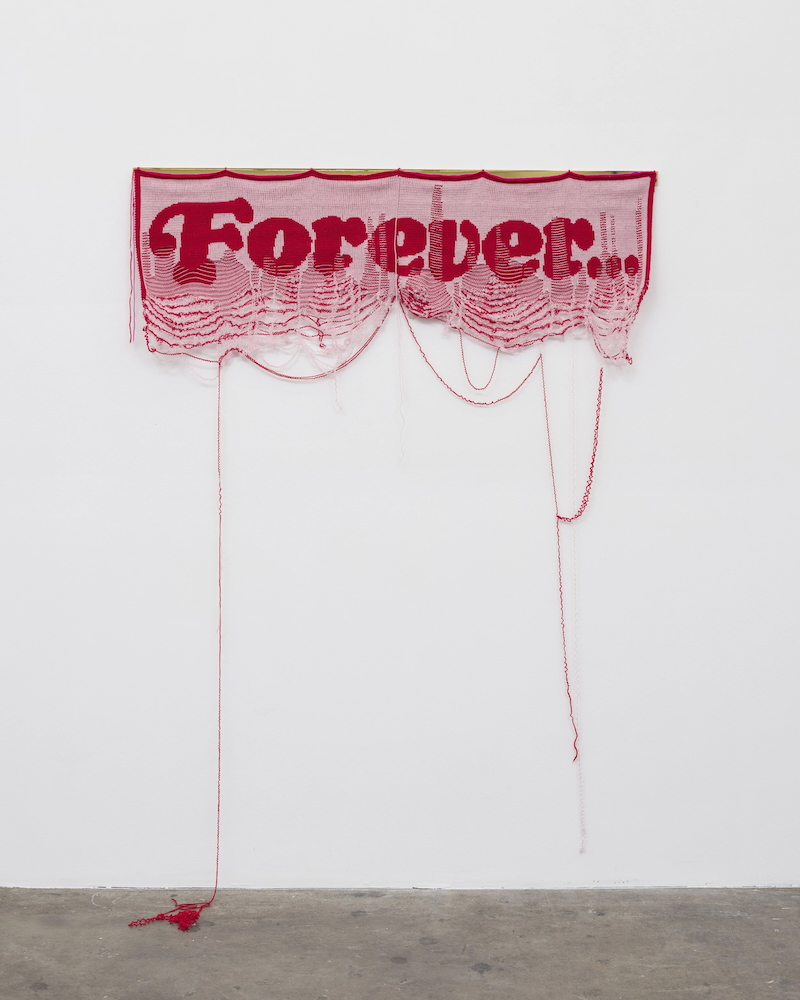
XJW: This show is built on shared taste and formation. What does it mean to curate from within a lived network?
SG: It’s been a joy to curate from a community that T.J. and I have shared since the mid-’90s in Los Angeles. While many of these artists are part of GAVLAK’s roster, a number of them started as friends, so it’s exciting to celebrate the careers they’ve built.
The gallery presented early solo shows of Dean Sameshima, Wade Guyton, Sheila Hicks, and Marilyn Minter. In 2012, we gave a solo show to Simone Leigh, who later represented the U.S. in the 2022 Venice Biennale. I’ve worked with Betty Tompkins since 2014. We’ve also exhibited Alex Anderson, Alexis Teplin, Gisela Colon, Candida Alvarez, Lisa Anne Auerbach, and often-overlooked artists such as Karen Carson, Judie Bamber, and Viola Frey.
To curate from a lived network means I can walk through the gallery and share stories from knowing these artists over time—stories grounded in a shared experience of navigating the art world together.
XJW: Many of your peers have gone on to shape the field. Did it feel distinct at the time, or only in retrospect?
SG: It was both. There was an awareness in the moment, but its broader significance is clearer in retrospect. When I moved to Los Angeles, I was embedded in a network of artist-founded spaces like LACE, LACPS, and Beyond Baroque, where I interned, volunteered, and curated. These spaces supported early exhibitions of artists who are now globally recognized.
That environment led me to start Gavlak Projects in my Silver Lake apartment—previously occupied by Jorge Pardo, where even the kitchen functioned as part of his sculpture. It was an organic beginning. I gave Dean Sameshima his first solo exhibition after he graduated from CalArts, and from the outset, the program was shaped by a willingness to take risks.
I was aware I was surrounded by a rigorous group of artists. There was a shared sensibility—we were aligned in our commitment to the work. I wanted to create a platform for what I believed in, and they were equally committed to pushing their practices forward.
I also understood how rare that context was. Working with Sylvère Lotringer and Susan Kandel during independent study at Art Center made that clear. That level of discourse and mentorship shaped how I think about art and community.
Looking back, I’m not surprised by how many of those artists have gone on to shape the field. What matters is the reciprocity of that moment. It wasn’t just about recognizing potential, but about mutual belief. They took a chance on me as much as I did on them. That experience reinforced the importance of supporting artists early, before broader validation. The historical narrative may come later, but those relationships make it possible.
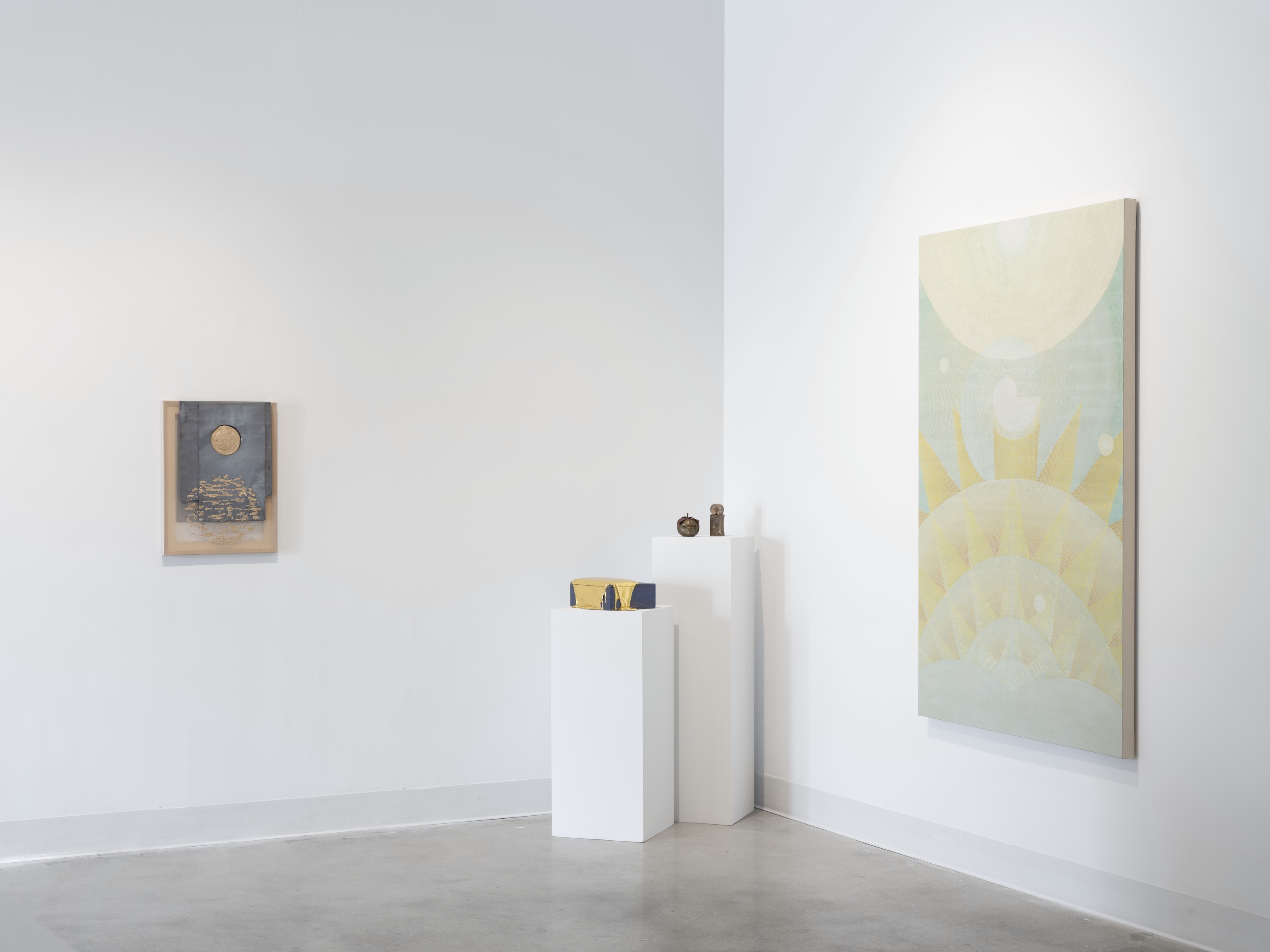
XJW: How do you think about influence and mentorship now?
SG: This exhibition clarified that influence and mentorship aren’t fixed or hierarchical. They emerge through encounters and shared ways of looking. Those moments accumulate over time.
There’s a tendency now to reduce influence to replication, but what remains essential is the lived dimension of those exchanges: proximity, friction, attention. Those conditions can’t be reproduced. For me, influence is less about attribution and more about continuity, i.e. how ideas are carried forward and transformed through relationships.
XJW: How do you sustain relationships with artists over decades?
SG: It comes down to treating them like any lasting relationship—through patience, respect, and consistency. Being in dialogue with artists has always been the most vital part of the work for me. That foundation has allowed us to continue working with many artists from the beginning.
Opening in West Palm Beach required a different approach. There’s a strong collector base but fewer artists locally, so I had to think strategically about how to bring artists into that ecosystem and foster direct engagement.
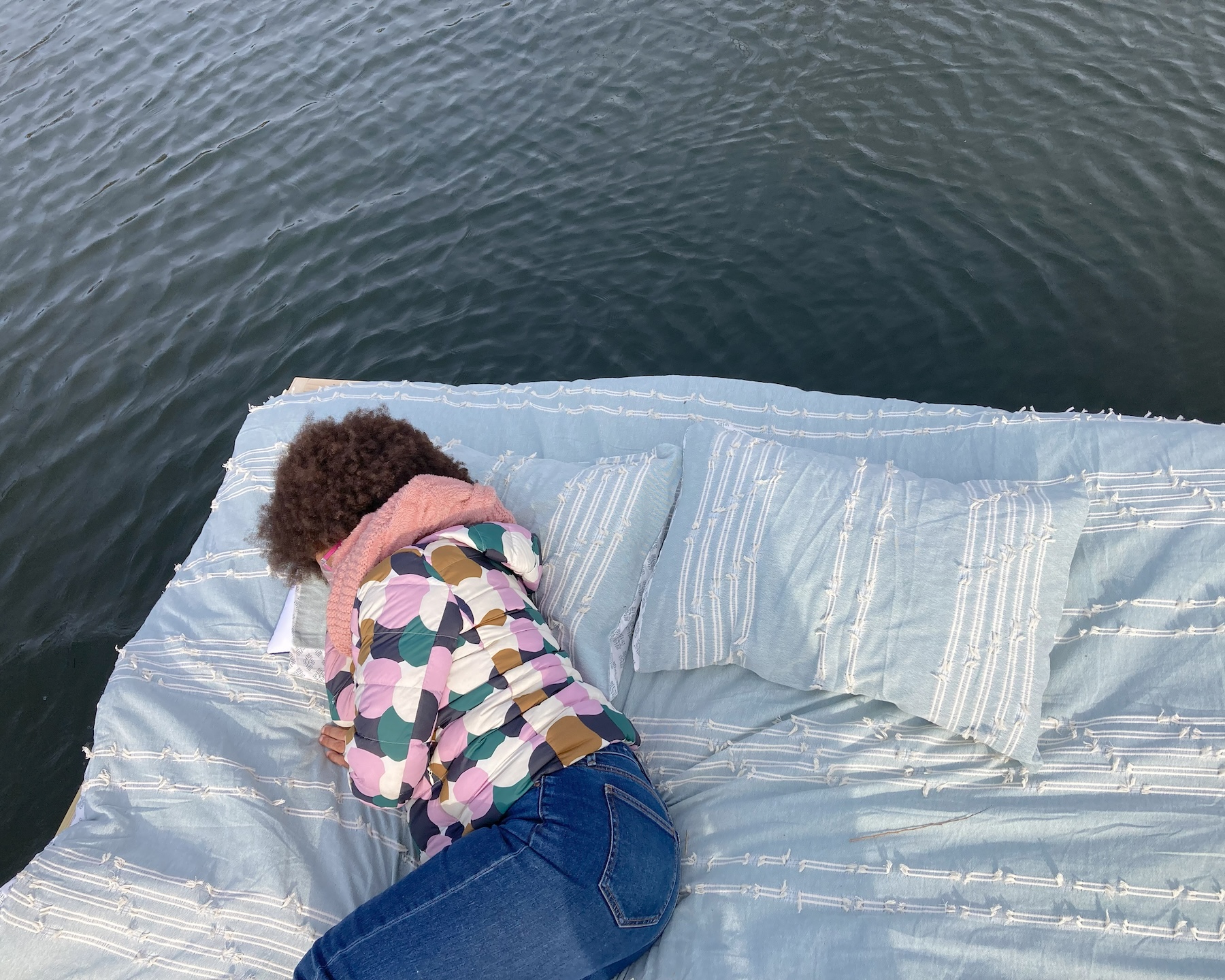
New Wave Art WKND grew out of that intention, particularly through its artist-in-residence program, which invites artists to spend time in Palm Beach developing work and building relationships. Artists such as Asser Saint-Val, Joiri Minaya, and Ann Lewis have participated. It’s a way to support artists while also highlighting the local arts scene.
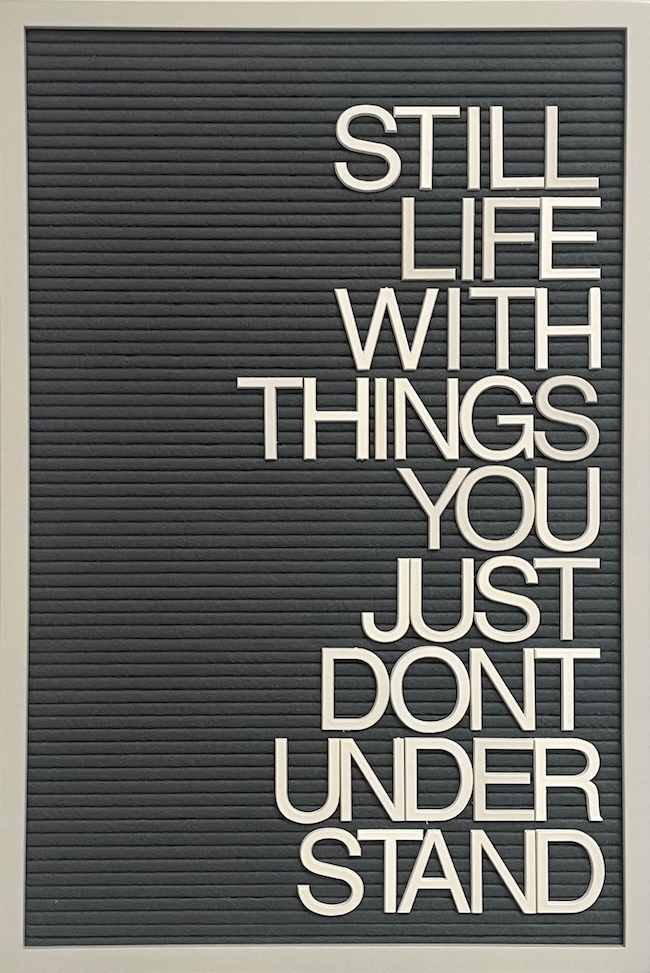
XJW: Some works in the show gesture toward the spiritual or immaterial. Can you speak more about this sensibility?
SG: Many of the artists, including Nancy Lorenz, José Alvarez D.O.P.A., Lita Albuquerque, and Jessica Cannon, engage with spiritual or immaterial dimensions of practice. I don’t see this as a theme, but as a way of working through intuition, perception, and the limits of material form. Within the exhibition, it’s less a unified position than a shared sensitivity—an openness to what can’t be fully rationalized. It reflects the idea that artistic production often operates at the threshold between material process and something more elusive.
Maynard Monrow’s text, “Still life with things you just don’t understand,” captures that. It speaks to the world we can’t see, asking us to believe in something we can’t fully make sense of.
T.J. Wilcox and I share an interest in eighteenth-century intellectual history, particularly Enlightenment ideas about perception and knowledge. That continues to inform how I think about selecting work.
XJW: The timing of Forever alongside New Wave Art WKND suggests an investment in building a scene. How do you think about shaping an ecosystem versus operating within one?
SG: When I came to West Palm Beach, I wasn’t entering a fully formed art ecosystem: I was helping build one. The focus was on creating conditions for something to develop over time. New Wave Art WKND, which I launched in 2018, came out of that. It was initially timed with Art Basel Miami Beach to draw collectors to Palm Beach, but over time, the local community developed its own momentum. We’ve since shifted the timing to reflect that, as New Wave is not primarily market-driven. The programming is designed to foster direct engagement between artists, collectors, curators, and others.
This interview has been edited for length and clarity.