
.webp)

Retail Therapy at the Affordable Art Fair
Voice
Independent
Pier 36 | 299 South St, New York
May 14 – 17, 2026
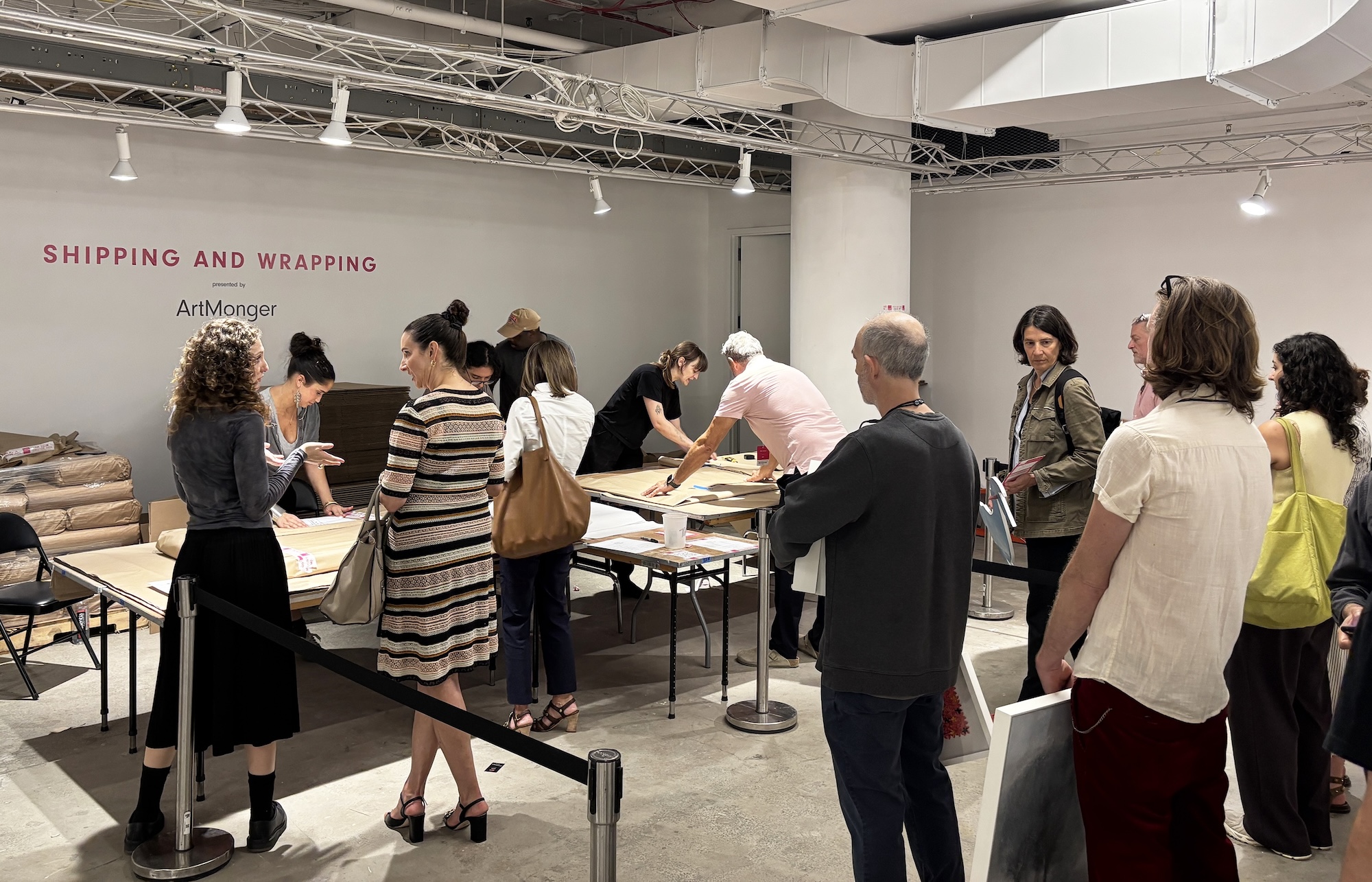
Independent’s 2026 edition opened at Pier 36, marking its inaugural run at the hangar-like venue. While representing 76 galleries, the fair’s format prioritizes solo and two-person presentations, making each booth immersive and open to experimentation. The venue, however, left this year’s special projects feeling like obstacles—none more so than Rei Kawakubo/COMME des GARÇONS’s display, which triggers the same claustrophobic encumbrance of scaffolding (while likely the desired effect, it limits the mobility the fair demands). Amidst the array of singular and colorful booths, SGR Galería, David Peter Francis, Kiang Malingue, David Nolan Gallery, and Silke Lindner were among the highlights.
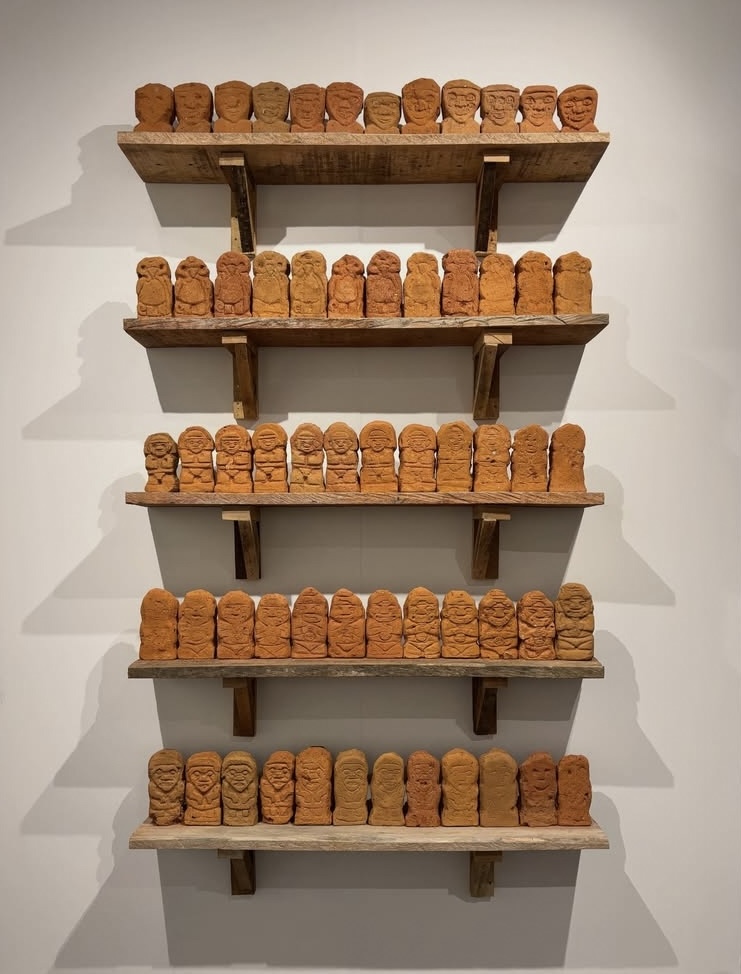
In his New York debut at SGR Galería, Johan Samboni stages his carved brick sculptures. Inspired by brick’s prominence in Colombian architecture, especially in unfinished housing—obra negra—Samboni engages with brick’s cosmological dimension as animate, constituting life and humanity’s extended relationship to nature. A highlight is Grandmothers Grow Younger with Each Passing Century (2026), wherein Samboni riffs on a sculpture from the San Agustín Archaeological Park. He serializes the figure across five registers, where it gradually deteriorates until rubble at the row’s end, then regains detail in the next. Overall, Samboni’s composition reflects the cyclicality of nature and time.
At David Peter Francis, photographer Carrie Schneider exhibits her latest series shot using a room-sized camera of her own construction that exposes chromogenic paper. The standout is First Living Woman (Broken Kilometer, frames 213-221) (2026), where gargantuan rolls of photographic paper transform the series into sculpture. Based on the only eight seconds of video in Chris Marker's otherwise photographic science-fiction short La Jetée (1962), the work deconstructs the film’s storytelling logic, demanding the viewer to navigate time and image the way Marker’s protagonist does.
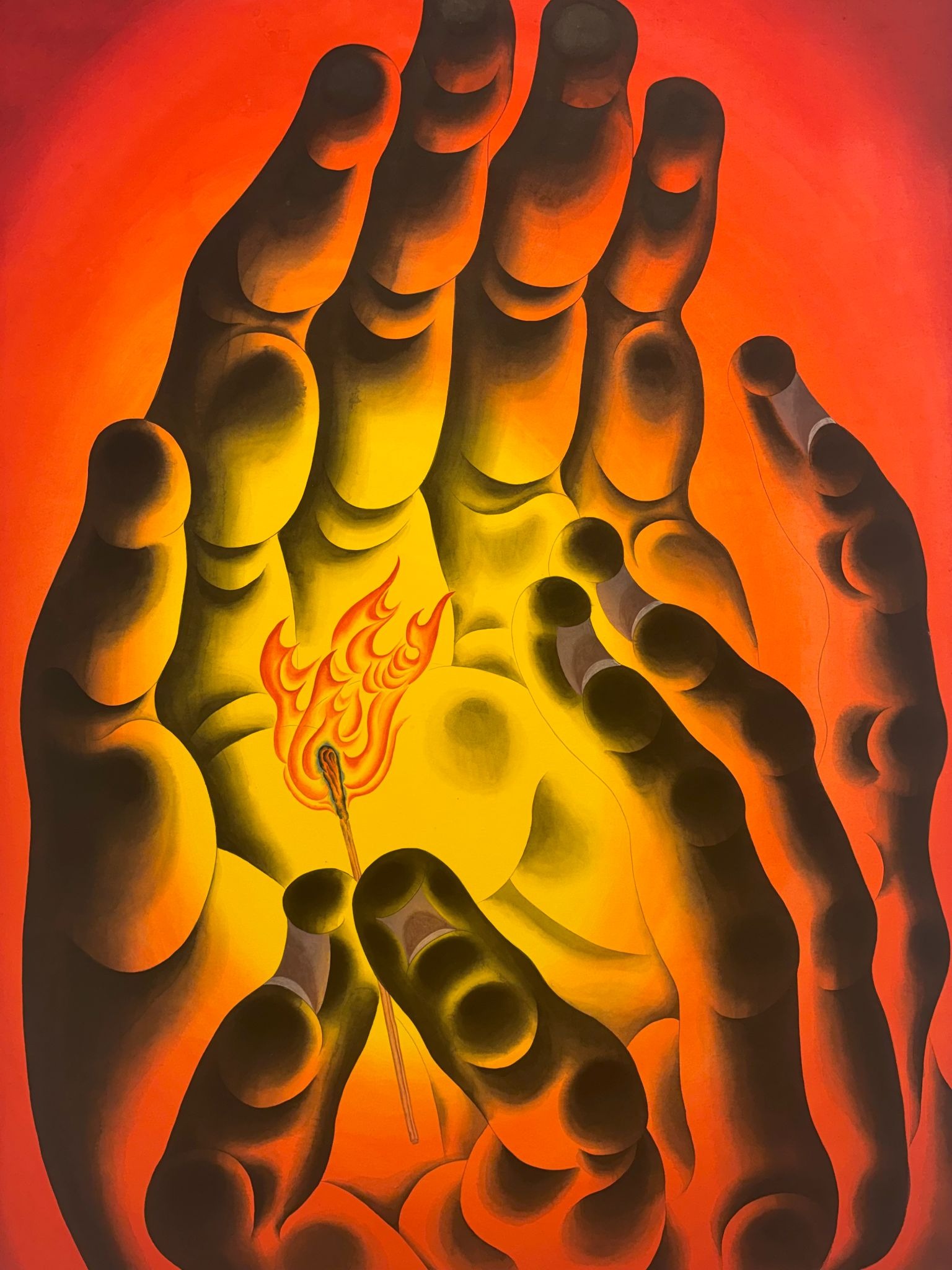
Kiang Malingue presents Tseng Chien-Ying’s solo show, Melancholy of Imperative. The Taiwanese artist uses ink, gouache, and mineral pigments to render thin black outlines and shading reminiscent of ukiyo-e, portraying distorted, hyper-focused body parts. Illumination (2026) depicts a lit match in cupped hands: while the palette of reds, yellows, and oranges recreates the sensation of fire, the hand’s black shading and ink detailing render the body palpable.
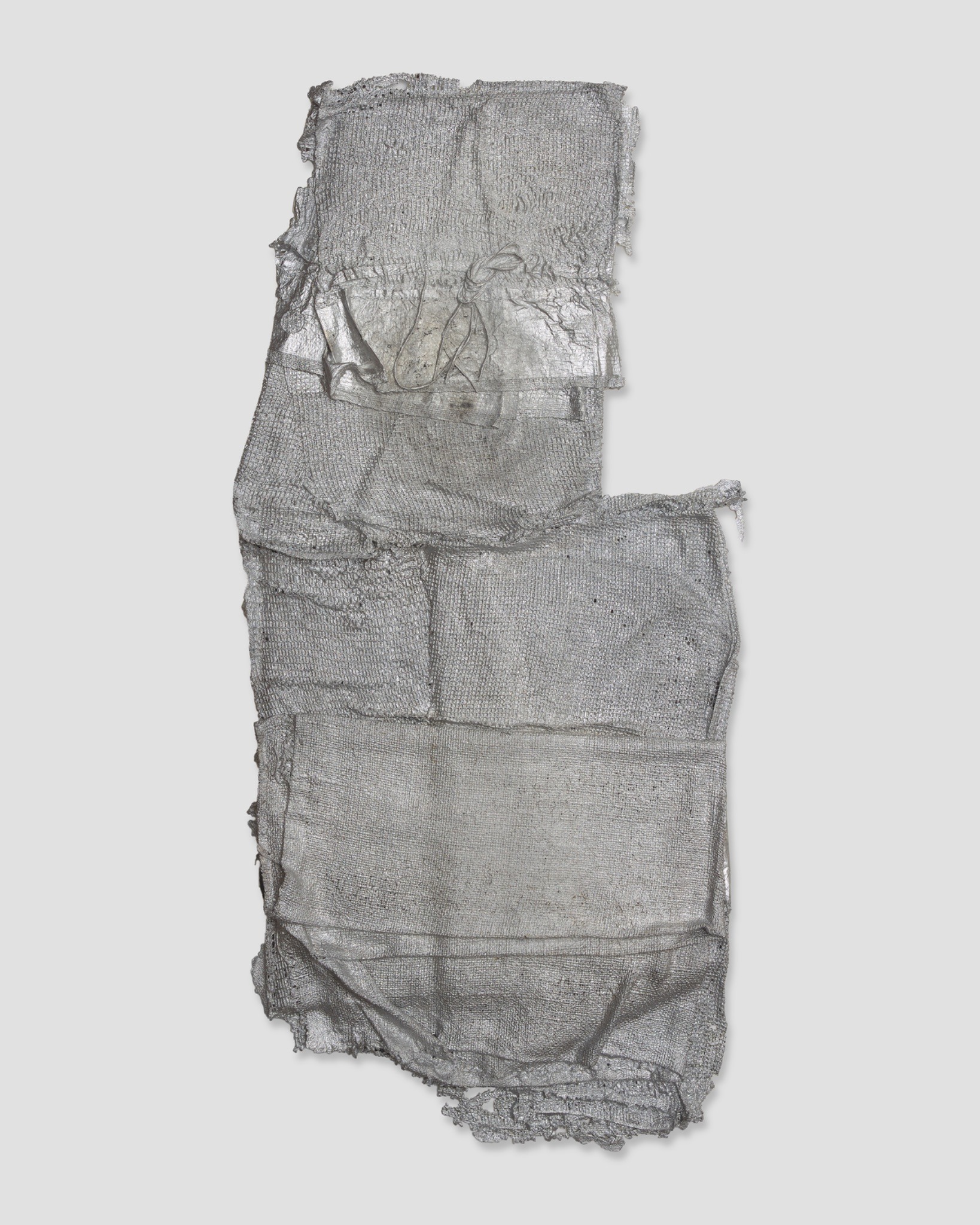
In the collaborative booth of David Nolan Gallery and Almeida & Dale, Chakaia Booker’s rubber-tire sculptures are paired with Miguel Rio Branco's photography. Booker layers strips of rubber tire, material symbolic of her African-American heritage and its connections to industrial labor, to monumentalize detritus—as in the totemic Destiny's Doorman (2003). Rio Branco is a Brazilian photographer known for his intensely saturated, painterly color work documenting marginalized Afro-Brazilian communities. In Exuzinho Looking Forward (1991/2017), a child boxer straddling the ring’s corner ropes creates tension through hyperpigmented red and blue. Together, the two artists share in a diasporic dialogue across the Americas, using material and color to signify identity long rendered invisible.
At Silke Lindner, Nina Hartmann shows shaped encaustic panels, resin sculptures, and lightboxes that excavate the history of US government surveillance and covert research programs. Reality Collapse (Networked Diagram) (2024) diagrams the interconnections between US-funded parapsychological projects. Encaustic's layers simultaneously preserve and obscure; the lightboxes illuminate without fully revealing. Together, they echo the half-buried nature of the information they index.
Other booths of note include Antonio Darden’s Wake (2026) at Kendra Jayne Patrick; Dorothy Cross at Kerlin Gallery; Taína Cruz at Kraupa-Tuskany Zeidler; Lyne Lapointe’s tactile paintings at Jack Shainman; Patrick H. Jones’s Ensor-esque Crowd Juggling (2026) at The Sunday Painter; Thomas McDonell at Europa; Steve Kahn at House of Seiko; and Hannes Heinrich at Sofia Sominski.
NADA
Starrett-Lehigh | 601 W 26 St, 3rd Floor, New York
May 13 – 17, 2026
The 12th edition of NADA New York, once again taking place at the Starrett-Lehigh Building in Chelsea, showcases a total of 121 local and international emergent contemporary art galleries, presenting artists in both the main section and the projects section. In this year's edition of NADA, the Projects and Sculpture Projects sections stand out with artist presentations that aim to depart from the conventional art fair environment. From the generally overhang booths occupying the gigantic building's third floor, five galleries present strong sculptural works thoughtfully installed, defying the usual predictable overload of paintings.
New York-based gallery mimo brings together Membranas, a dialogue between the work of Mariana Paniagua and Lucía Reissig, an Argentinian-Guatemalan artist based in New York City, exploring the memory of objects and matter and their potentiality for new historical narratives.
At EMBAJADA, an independent, artist-run Puerto Rican gallery founded by Christopher Rivera and Manuela Paz, building a direct link between Puerto Rican artistic production and the international art scene, Georgina Treviño displays jewelry sculptures and metal laser cut swings, directly reflecting on the current political and social climate.
Project Art Distribution (P.A.D.) is an art exhibition space in New York City that examines the economy of artists and their artworks, mostly installed outdoors year-round, contingent on weather conditions. For this edition of NADA, P.A.D. exhibits works from Seoul-born, New York-based artist Chang Sujung’s delicate series of watercolors painted inside shirt cuffs, thoughtfully installed alongside photographs by Assaf Evron. In synchrony with Sujung’s sculpture-paintings, Loucia Carlier’s collection of interior “miniatures” displayed at Mexico City-based Third Born’s booth unfolds graphic and spatial frames enclosed in box-like maquettes, evoking cinema props and screenplays.
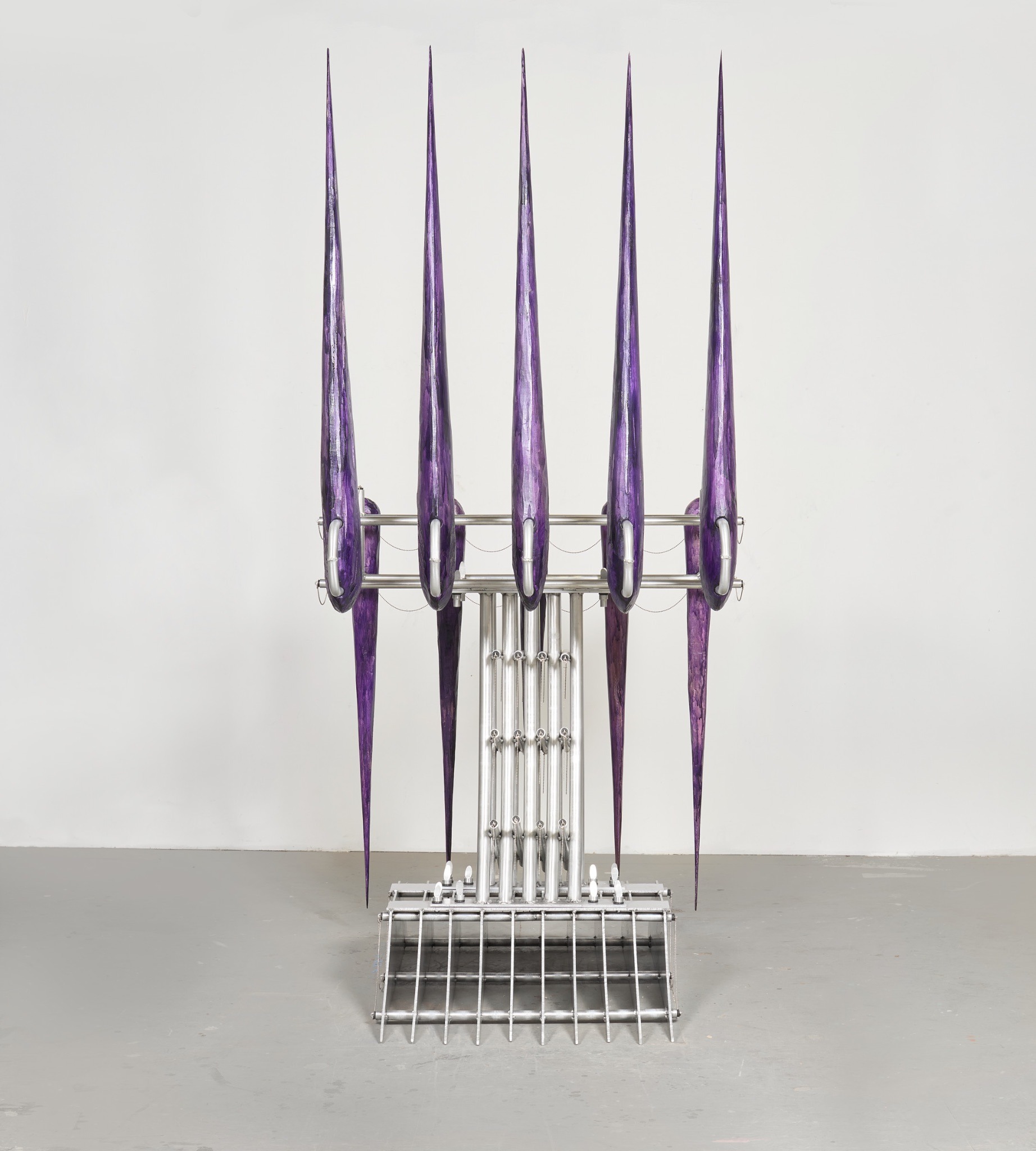
One of the last booths in the fair presents Male Fantasies, an impressive solo installation by Douglas Rieger, exhibited by Capsule, based in Shanghai, consisting of aluminum armature sculptures featuring hand-carved wood teardrop spears.
Frieze
The Shed | 545 W 50th St, New York
May 14 – 17, 2026
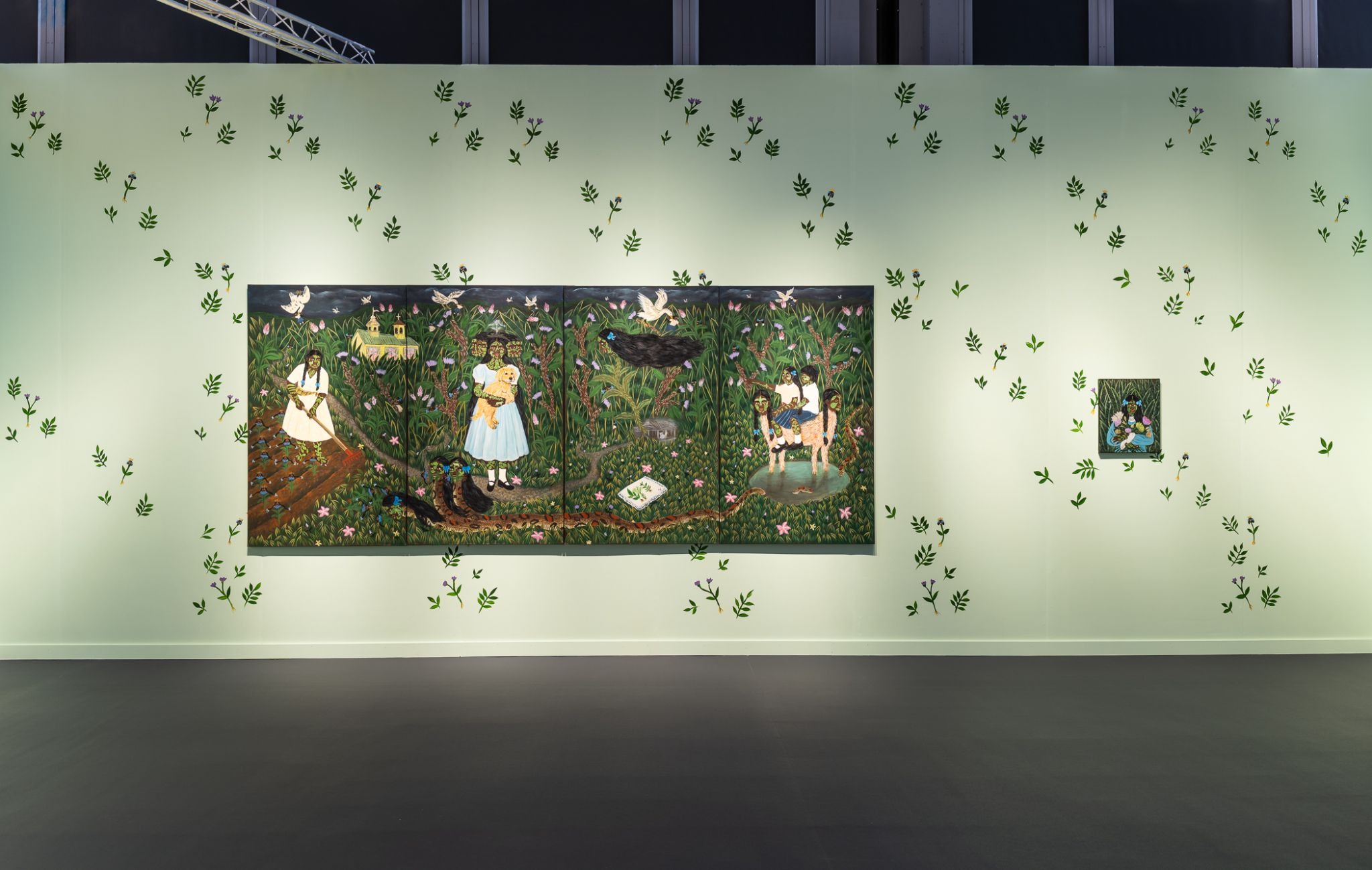
Frieze New York returns to The Shed this year with its usual blend of market frenzy and cultural cachet. Yet amidst the fair’s maze of polished presentations and high-profile names, the most compelling booths were those that resisted standard viewing in favor of something more intimate. Across the fair, themes of ancestry, identity, and collective memory emerged repeatedly, but the strongest presentations were those that used materiality and personal history to create moments of sustained reflection in an otherwise fast-moving commercial environment.
At the booth of New York’s own James Cohan, Guadalupean artist Kelly Sinnapah Mary’s standout solo booth tells the complicated and entangled tales of ancestry, familial histories, and collective memory. Within the booth, viewers are transported into the artist’s dense visual language, and all else is completely drowned out. While there is a constant stream of people walking through the aisles, this booth feels quiet—people linger here longer. The works are enchanting; figures capture attention with their stoic and intentional gazes. Bold backgrounds are abundant in overgrown greenery and luscious hues spilling over the canvases themselves and onto the hand-painted walls that mirror the imagery of the works, transforming the booth into a sprawling garden. The works are a part of a series of paintings that feature the artist’s grandmother, Violette, as the central figure. Sinnapah calls the series Violette’s Garden, which is a continuation of a previous series of works titled The Book of Violette. Each figure’s skin is completely covered with Taíno iconography, giving the figures a tattoo-like appearance that further highlights the ancestral heritage that connects each work. The backdrops, the figures, and their histories all bleed into one, creating an entirely new world that engulfs and does not let go. Rather than competing through excess, what makes this booth particularly resonant in the context of Frieze is its insistence on interconnected histories, which contrasts with the rest of the fair’s polished pageantry.
With two locations in Buenos Aires and one in Pueblo Garzón, Uruguay, W-galería proved to be one of this year’s heavy hitters, winning the Frieze Focus Stand Prize with its solo presentation of works by Indigenous Chilean artist Seba Calfuqueo. Drawing from their Mapuche heritage as well as their queer identity, Calfuqueo’s work becomes an acute commentary on our current social, political, and cultural landscapes. Most notable are the works that use synthetic hair as a symbol of intimacy and politics. Hair becomes an extension of self and a form of expression that is often policed, especially in the context of race and queerness. The resulting wall hangings become potent acts of rebellion, transforming long, inky-black strands into meditations on visibility and resistance. They are also a symbol of our interconnectedness. Similar to Mary’s works, there is an omnipresent and tangled web of ancestry and generational histories embedded in them, creating works that are at once delicate and monumentally powerful. Amid a fair dominated by blue-chip spectacle, both of these presentations foregrounded deeply personal narratives rooted in identity, familial history, and cultural memory.
Future Fair
Chelsea Industrial | 535 W 28th St, New York
May 14 – 16, 2026
This year at Future Fair, the work presented was, like many art fairs, a mixed bag. Although New York Art Week in the spring may bring along a sense of hope, Future Fair proved that many galleries are playing it safe and, in a difficult art market, are opting for more commercial pieces. The vast amount of work was, for lack of better words, decorative. However, amid the endless array of floral paintings and city landscapes, a few booths stood out. Court Tree Collective, BolsterArts, and Feia, among others, presented compelling artists whose work sparked discourse and contemplation, components that should be found at an art fair in Chelsea.
Represented by Court Tree Collective, Isolina Minjeong is a Korean-Peruvian ceramicist and muralist who blends ancient mythology with a contemporary manga style. Minjeong creates raw terracotta sculptures inspired by funerary traditions in ancient Korea and Peru, the use of red clay, a specifically Peruvian ceramics tradition. Having previously worked with a variety of clay pigments, a shipping delay of white clay at a residency last year made the artist turn to her current, more monochromatic red clay style. Reverting away from color and glazes, Minjeong's surface textures and shape are the stilts of her new work, as evidenced by the title of the booth's show, Red Earth Love Song. She discusses how one of the most critical uses of ceramics throughout history has been within funerary traditions, as well as Korean funerary figurines, which act as spiritual companions for the deceased in the afterlife. In a fitting inversion of this history, Minjeong creates her figures for the living: companions for the people in the space they occupy.
BolsterArts is a residency program based in New York City, founded only a year ago, and since then has developed quite a roster of talented emerging artists, notably Chris Cortez and Ali Sutton, who showed at BolsterArts’ booth. Sutton’s large-scale painting in the Bolster Arts booth, It's a Fowl Balancing Act (2025), is a nude self-portrait where she balances on two swans. For Sutton, swans symbolize idyllic perfection. The image of her precariously balancing on them, afraid of falling into this murky, acid-green swamp, is a sort of eerie Botticelli, a metaphor for her struggles with OCD. The details of Sutton’s painting are extraordinary, and she is certainly an emerging artist to keep an eye on with a solo show coming up at Kapow gallery downtown in June.
Cortez is a Mexican-American artist whose large-scale oil paintings explore themes of queerness and trans identity. Nudity is very present in this booth, but it is not about desire; instead, it imposes itself at the center of Future Fair as a sort of self-reclamation of historically objectified marginalized bodies. In her self-portrait, Atrapada (Con Ganas de Salir) (2025), Cortez depicts her own body floating within an ethereal bubble, a nod to Princess Peach in Super Mario Bros. Here, the artist establishes that, like in the game, community and friendship are the bind between drowning or floating, especially when navigating the complexities of identity. As viewers passed the booth, expressions ranged from shock to awe to curiosity: a testament to the impact of Sutton and Cortez’s work alike.
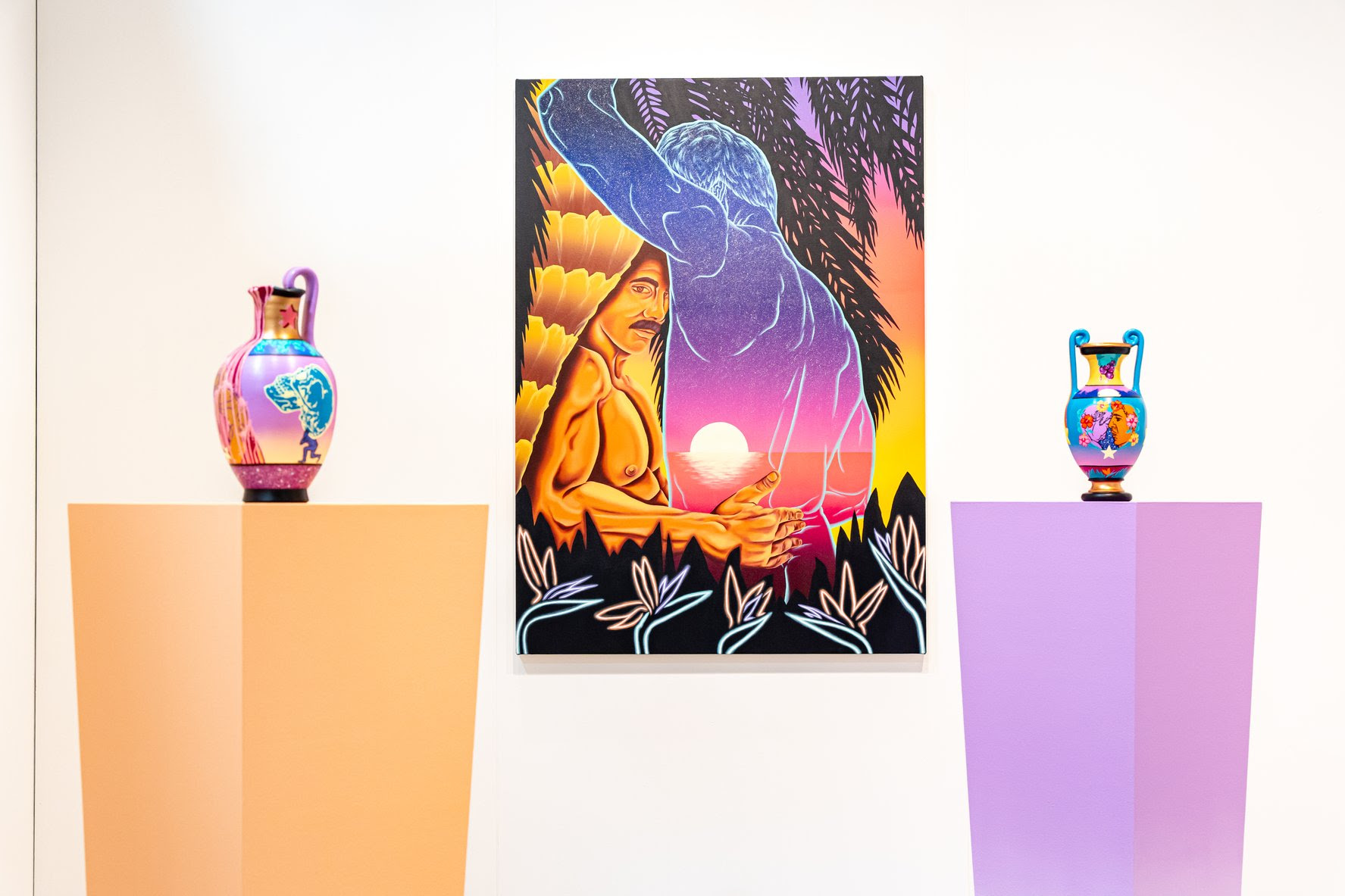
Feia, a Los Angeles-based contemporary art gallery, presents Catasterism, a solo show by Paul Anagnostopoulos. Anagnostopoulos blends his Greek and Italian heritage, exploring queer themes through myth. In Catasterism, he rereads the classic queer doomed-lovers narrative of Dionysus and Ampelos through a contemporary lens. In one version, the dying Ampelos is transformed into the first grapevine; in another, Ampelos is catasterized, or turned into a constellation. Either way, Anagnostopoulos sees a broader pattern: through trial, and even death, queer love endures and transcends. Anagnostopoulos says that these ancient myths are evidence that queerness has always existed despite attempts to rewrite history. His interest in camp aesthetics sprouted at a young age, with various points of inspiration, first seeing Rocky Horror Picture Show at age five, and the kitschy souvenir Greek vases at his Greek grandmother’s home. His practice of fusing Greco-Roman styles with camp aesthetics, he says, is a way to reclaim the queerness embedded in this history.