Tim Breuer at Champ Lacombe and TRAMPS
Review
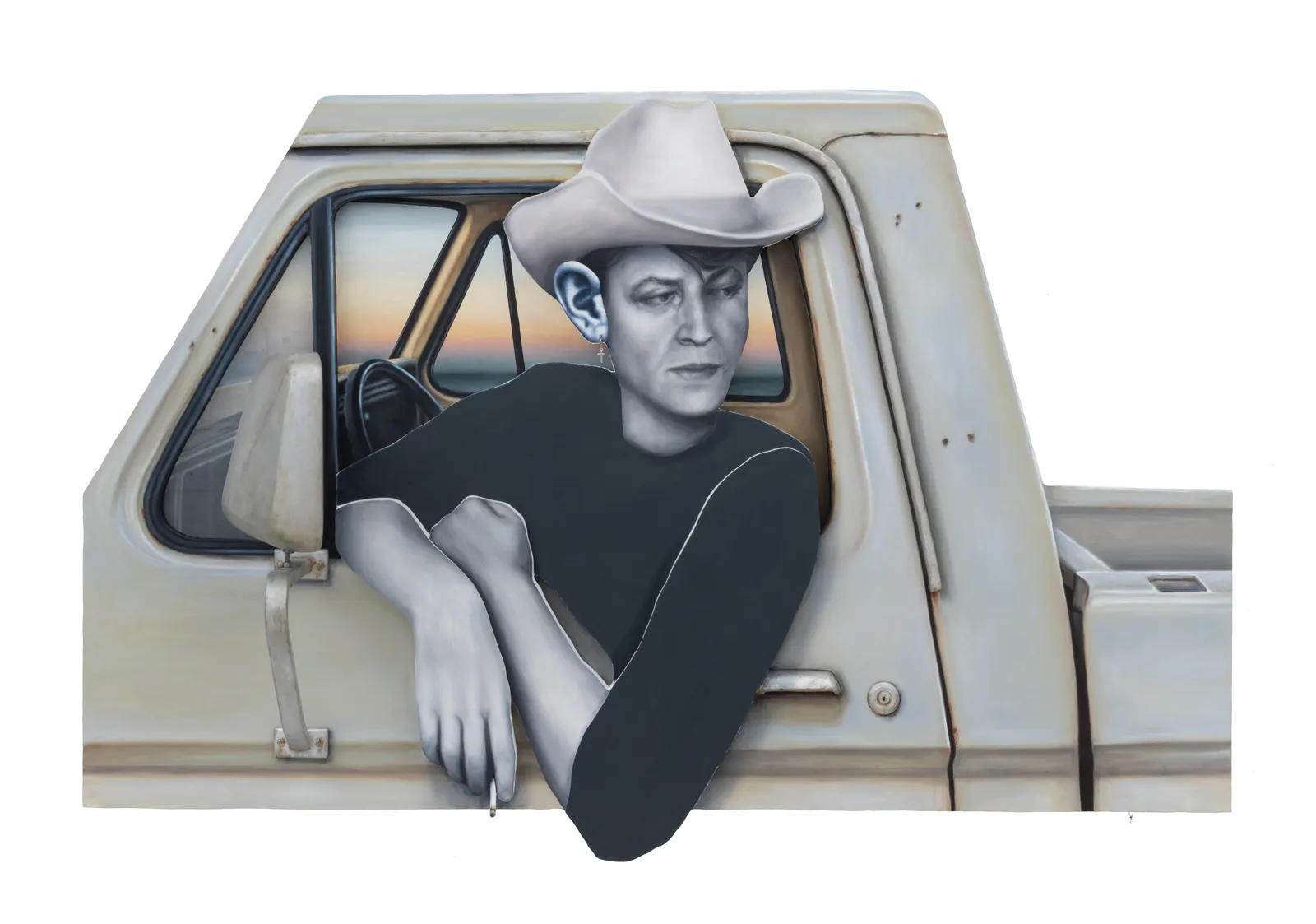
The Green Family Art Foundation is a privately funded nonprofit based in Dallas that presents exhibitions drawn from its growing collection alongside collaborative curatorial projects. Over years of collecting, the Green family discovered—almost inadvertently—that many artists whose work resonated with them were affiliated with the prestigious New York Academy of Art, several of whom were recipients of its prestigious Chubb Fellowship. Curated by Katherine Delony, Director of the Green Family Art Foundation, a recent group exhibition, Chubb Fellows & Friends, makes this pattern visible. On the occasion of the show, Xuezhu Jenny Wang spoke with Delony about the exhibition’s origins and the foundation’s broader curatorial ambitions.
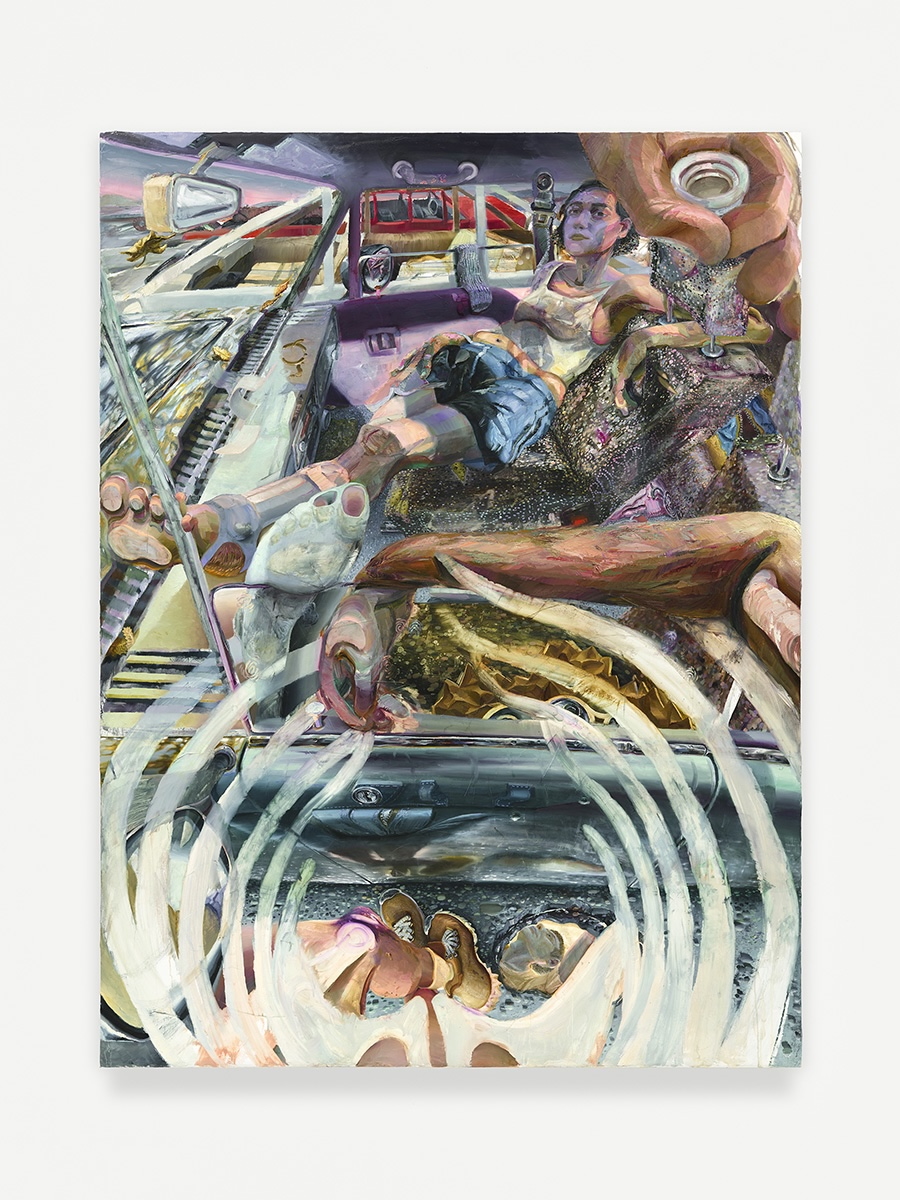
Xuezhu Jenny Wang: When I saw the exhibition, I was struck by how strongly painting dominates the installation. Is the Green Family Art Foundation primarily a painting-focused collection, or does it extend more broadly across mediums?
Katherine Delony: It definitely spans different mediums, but painting does make up the majority of the collection. Our permanent holdings lean heavily toward painting, but we also have sculpture and other mediums represented.
XJW: How did the exhibition take shape? What was the curatorial process like?
KD: The project really began with a simple observation: many of the artists we had collected were connected to the New York Academy of Art in some way. Some were alumni, some fellows, and others had been visiting critics or professors there.
We started by looking through our own collection, which probably accounts for about a quarter of the works in the exhibition. For some artists we only had one piece; for others we had to choose between several. After that, we began identifying additional fellows and alumni we wanted to include.
From there it became a process of reaching out—sometimes directly to artists, sometimes to collectors. Some works came from artists’ studios, while others were borrowed from lenders. Whenever possible, we tried to include relatively recent works so the exhibition could reflect where these artists are in their practices today.
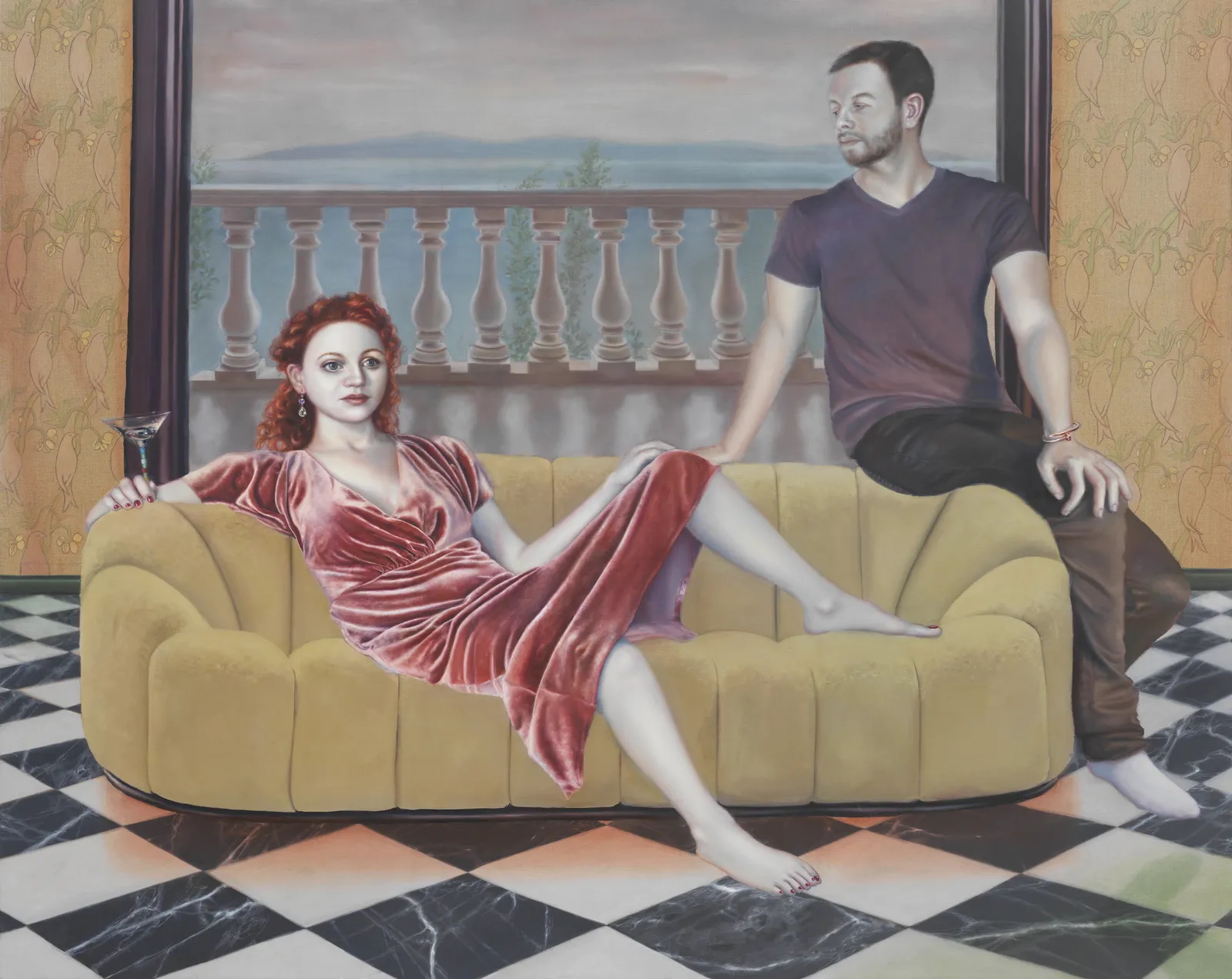
XJW: The foundation presents roughly three exhibitions each year. Are these typically local projects, or do they circulate beyond Dallas?
KD: This is actually the first exhibition we’ve organized that has traveled, although it’s something we would absolutely consider again in the future.
In general, our programming is a mix. Some exhibitions are curated internally, sometimes we bring in outside curators, and sometimes we host traveling exhibitions that originated elsewhere. This year, most of our shows involve independent curators we’ve invited to work with us.
XJW: Are collaborations with other institutions something you’re looking to expand?
KD: Yes, definitely. One exhibition we’re working on this year is a collaboration with Dallas collectors—it will include one work from forty-two different collections across the city, examining what people here have been collecting over the past five years.
More broadly, we’re very interested in continuing collaborations with other organizations. The Green family has collected the work of many artists while they were still in school, so there are already strong connections with art universities. But we’re also exploring other partnerships.
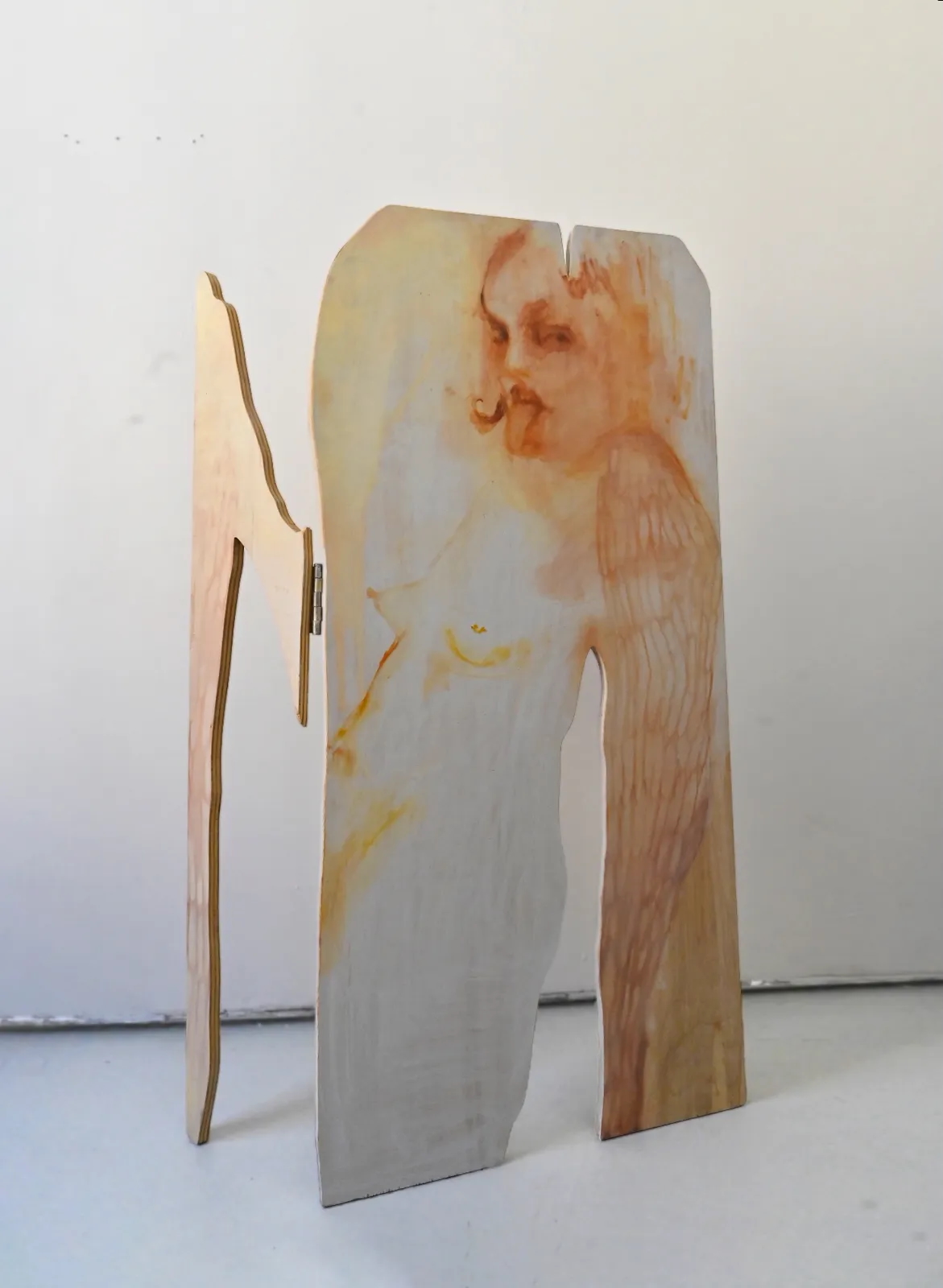
XJW: Do many artists in the foundation’s collection have ties to Dallas?
KD: Some do, though most do not. The collection is quite expansive. We have artists with connections to the city—Hugh Hayden, for example, who is from the Dallas area, and Leslie Martinez, who is based here. But overall the artists represented come from a wide range of places.
XJW: When you’re selecting artists for exhibitions, what kinds of criteria guide those decisions?
KD: It really depends on the type of show. With a large group exhibition—like the Dallas collectors project—there’s a balance between artists we’re interested in including and what works are actually available to borrow.
More generally, we focus on contemporary art, though some exhibitions take a more retrospective approach. We’ve also presented solo shows—for artists like Nicolas Party and Daisy Parris—but overall we do tend to gravitate toward group exhibitions.
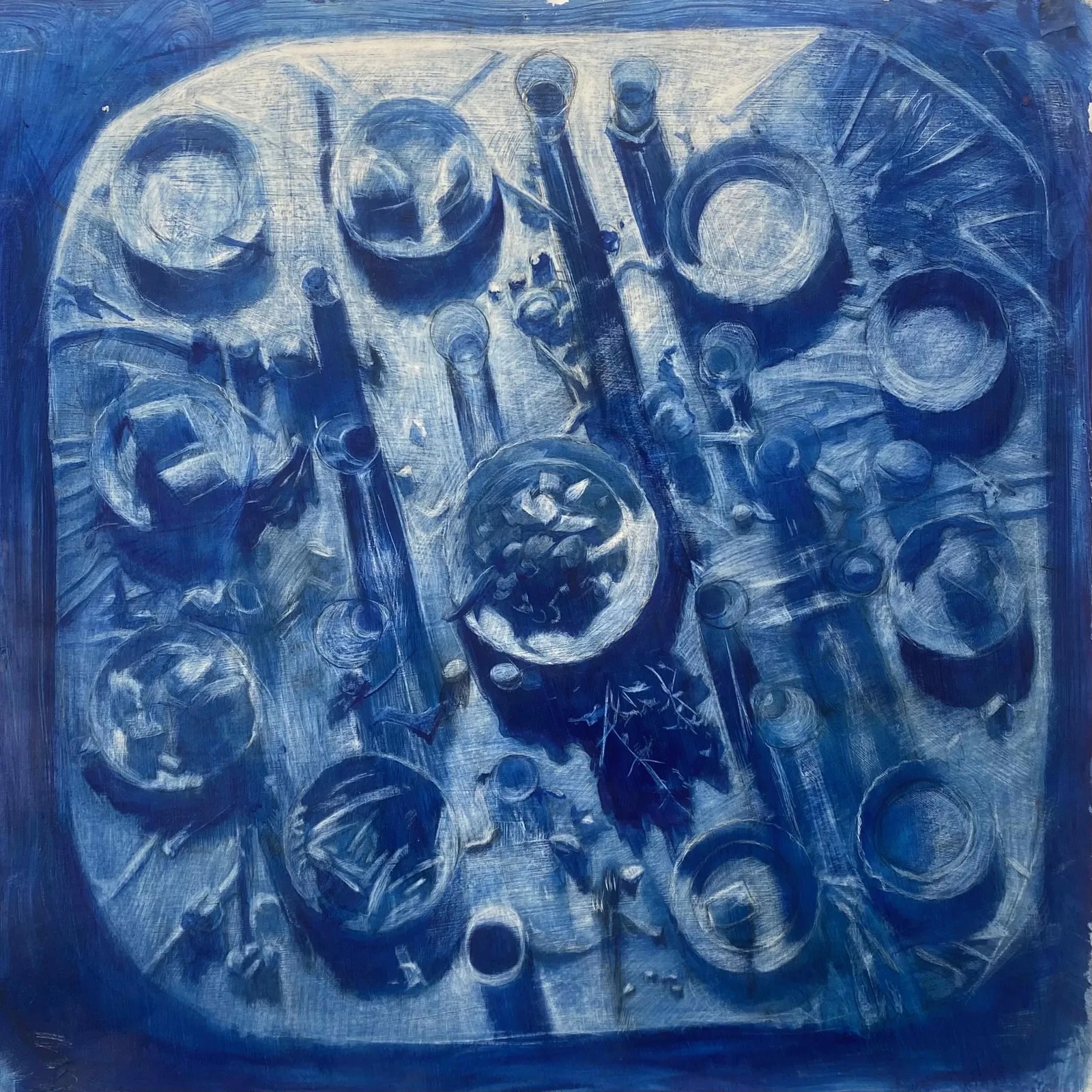
XJW: Beyond the shared institutional link to the New York Academy of Art, were there thematic ideas guiding the show?
KD: One of the key ideas was exploring the relationships between artists and their teachers or mentors. That’s why we included not only alumni and fellows but also visiting critics and professors. We wanted to highlight those intergenerational connections and see how those networks of influence might surface in the work.
There were also formal affinities that emerged. The academy is known for its emphasis on figurative training, but several artists in the show move between figuration and abstraction. Artists like Cecily Brown, Kylie Manning, and Ali Banisadr all play with that boundary between the abstract and the figurative, so grouping them together created an interesting dialogue.
XJW: What is the foundation hoping to build over the next few years?
KD: One of the original goals was simply to share the Green family’s collection with the public. But another important aim was to bring exhibitions to Dallas that might not otherwise be shown here. Because we’re privately funded, we are fortunate to have a bit more flexibility to experiment with programming.
XJW: Who makes up your audience? Are most visitors arts professionals, or do you see a broader public?
KD: It’s really a mix. Openings tend to draw more people from the art world, but overall our audience is quite diverse. We host school tours—from K–12 students to college groups—and because we’re located near a park and several museums, many families simply stop in while exploring the area.
Since admission is free, we see a wide range of visitors. That’s something we think about carefully when producing exhibition materials—we want them to be accessible for people who may not have an arts background, while still offering depth for those who do.
This interview has been edited for clarity and length.