
.webp)
SPLIT LEVEL 2026
Review
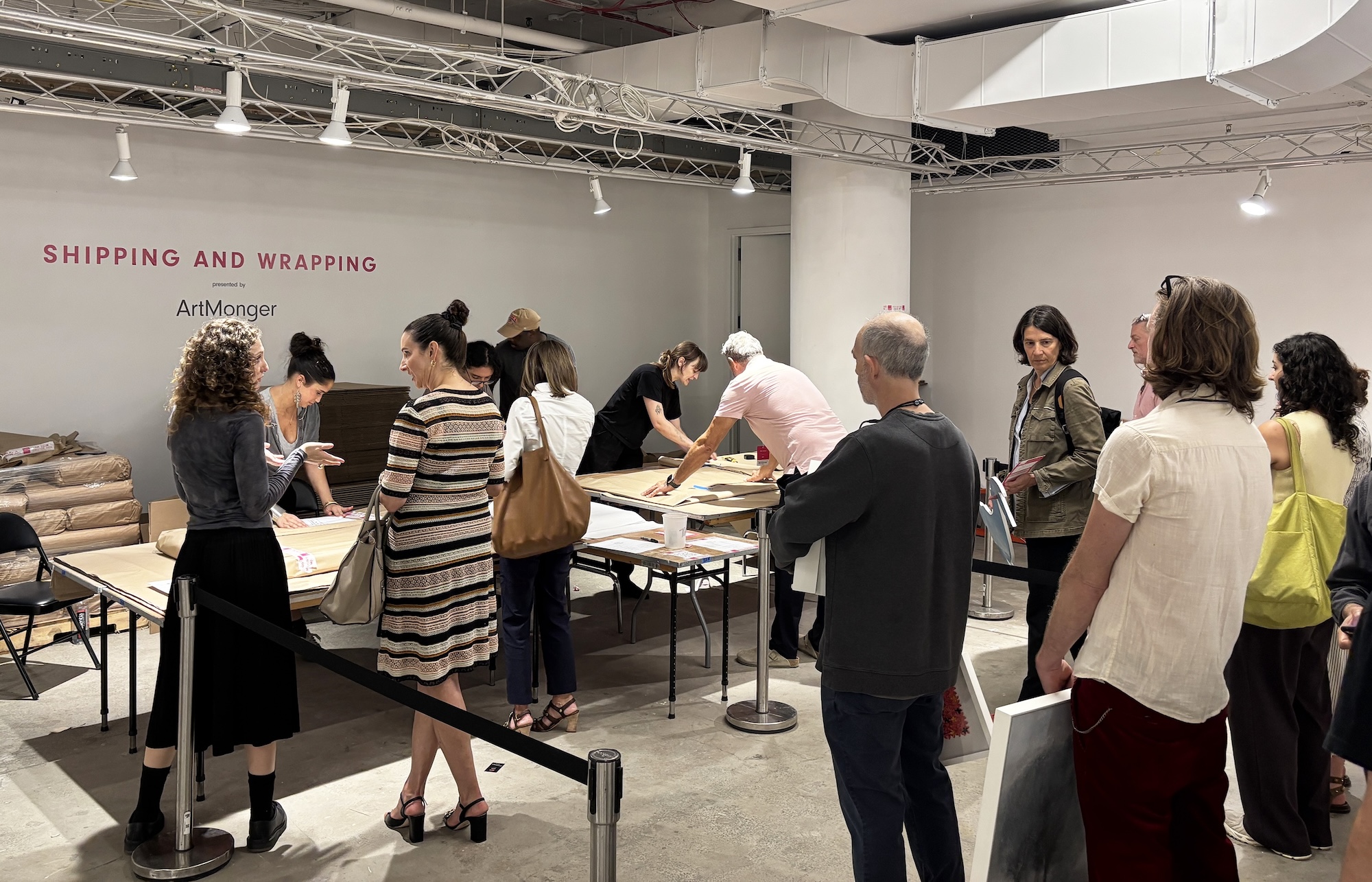
At 303 Gallery I regularly sat with or was joined by a stranger, and it was nice. [My work hours are the exact times when galleries are open. By attending an opening after work, I am making a choice to not work on my own art or write about my own research.] The gallery became a place for sharing, jocularity, and frank talk. [Socialization is a tricky dance. As an immigrant to New York City without any previous connections in the art world, I had to make my appearance felt whilst not seeming to be trying too hard.] I had an amazing run of meals with art dealers. [I gently started with a few people I know, hoping to expand, seeing if there is an opportunity tonight.] Once I ate with Paula Cooper who recounted a long, complicated bit of professional gossip. [My self-introduction to a curator was cut short by someone who squeezed into the space between us to offer a hug to the curator, acknowledging their disruption by giving me a side-eyed excuse-me.] Another day, Lisa Spellman related in hilarious detail a story of intrigue about a fellow dealer trying, unsuccessfully, to woo one of her artists. [As the crowd moved on to a dinner party, I reached into my pockets to make sure the two business cards I just received were still intact, and hoped the email addresses didn’t just say “info@”.] About a week later I ate with David Zwirner. [I rarely eat around galleries because food is not affordable in Chelsea] I bumped into him on the street, and he said, “nothing’s going right today, let’s go to Rirkrit’s.” [I went to see Rirkrit’s show.] We did, and he talked about a lack of excitement in the New York art world. [Even though the gallery had been turned into a cafe and the food provided was fair game for everyone, the way people formed clusters still mapped out the space along familiar lines. I was still outside looking in with an identical plate of food in hand.] Another time I ate with Gavin Brown, the artist and dealer…who talked about the collapse of SoHo—only he welcomed it, felt it was about time, that the galleries had been showing too much mediocre art. [I took a Saturday off so I could pick up a day’s work as an art handler, which pays better.] Later in the show’s run, I was joined by an unidentified woman and a curious flirtation filled the air. [The doorman of the Upper East Side building instructed me to only unload the art at the back of the building at the service elevator. The delivery person who shared the ride with me seemed to be in more of a rush than I was.] Another time I chatted with a young artist who lived in Brooklyn who had real insights about the shows he’d just seen. [I got a tip and the collector’s word that he would recommend me to other collectors with whom he frequently dines. I wasn’t sure if the food they ate was provided by Rirkrit.]
When Claire Bishop pulled direct quotes from Jerry Saltz’s review of Rirkrit Tiravanija’s solo show at 303 Gallery (as illustrated in the bolded texts above) in her seminal essay “Antagonism and Relational Aesthetics,” she argued that Tiravanija’s performance was only loosely political, and encouraged us to imagine for its space to be invaded by those seeking “genuine asylum.” But what if they were already there, and what they sought was to become part of the system forced by their working conditions, as illustrated in the braided first-person writings in brackets above? By advocating for dialogue over monologue and not providing a personal preference, Tiravanija’s work backdropped the average worker bee in the New York art world as much as it did David Zwirner’s friend Jerry Saltz, who ironically started out from a working-class family in Chicago.
A sense of gravitational assimilation is shared by those who work in any capitalist work environment and those who partake in the New York City art world because the working conditions that we deal with on a daily basis act as the very cornerstone of the possibility for our opinions to be heard. Silent antagonism is pure silence, so what’s left to do is to fight while being assimilated. Rosalyn Deutsche envisioned a dialectical society that progresses under conflicts and divisions. Nonetheless, the worst enemy of democracy is not a lack of diverse opinions, but the risk of exclusion from the game, especially when the game of art is almost always voluntary.
Assimilational antagonism is not a compromise by choice, but a necessity to tackle the very definition of contemporary art—a critique of the self in the process of its own formation. It’s a perspective of an outsider looking in while projecting a future insider self on the outside. Assimilational antagonism is a moving perspective that constantly takes the place of the previously critiqued self. It might appear passive for its conformity, but the antagonistic position is so firm that the works created by this group of artists were only made possible by, for example, the very day jobs that they hold.
—
When urban sociologist Ray Oldenburg coined the term “third place” as an informal social space—coffee houses, parks, gyms, clubs—in between the home (“first place”) and the workplace (“second place”), it was primarily defined as a space-time division. If occupying people’s availability according to the home-work-third place-home schedule is a long-lasting capitalist tautology, the process of true emancipation, in an artistic form, might not start with the Marxist home/work division. It could be initiated from an inspection of not the physical-temporal division of what’s left over after we sleep and work in terms of resources, as in sharing a cup of joe at Central Perk, but the potential subjective wills expandable at the third place that are inhibited because of the very existence of the other two places, which were assumed to be there taking priority.
The tug-of-war has been on. On the one hand, big corporations such as Google are setting up fake third places inside their offices, loaded with snacks, games, and even slides between floors, fooling their workers into mistaking the second place for a third. On the other hand, even though Hans Ulrich Obrist’s 24-hour interviews reminded us that a negotiation with the first place is possible, the shock factor of not sleeping makes the gesture more performative than critical. Under such ongoing tensions, the only opportunity for the third place to become original and generative is to go on the offensive, and to reflect on the very establishment of itself as the third in rank from a needs perspective.
—
If we metaphorically apply the construction of the three places to the art production industry, the artist’s studio could be regarded as the first place where artists live with their creations. The galleries and institutions, resembling the second place, demand the direct consumption of these very creations. Even though artist-run spaces and residencies are supposed to be the third place where new theories are tested with half-finished works and unconventionally progressed through-lines, this space is recklessly under siege by the integration of the first and second places in a city like New York. Artists are learning to pre-assimilate their works according to the preferences of the galleries and institutions. Imagining a piece either at a collector’s home or on the walls of PS1, the Whitney, and the Guggenheim (in that particular order) seems to be a studio routine no one wants to admit. The direct channel streamlining the movement of art from the first place (the studio) to the second place (the galleries or museums) seems to be efficient, but it replicates the logic of a traditional capitalist production system. Except for that, art reserves the right to reflect, comment, and criticize the very industry that encompasses itself. However, at this moment of full integration between the first and second place, this window of a spacious critical discourse is closing.
Art and the value of art are two completely different things. Artworks and the art market, even though very much integrated and interconnected, ought to be inspected completely separately. In contemporary New York, where capital is the primary driving force that welds the artist’s studio to the final destinations of whatever is produced out of it, the third space is our only opportunity for a true critical discourse. Appropriating Daniel Buren’s analogy of the artist’s studios as an initial “frame,” this enclosure, often small in New York, is increasingly practiced in its verb form when artists are framing their works to fit into specific needs, looks, and preferences of the collectors and museums. On rare occasions of an artist residency, this frame might be left unclosed for a while. It is without a doubt that the third places in art, similar to its original definition in urban design, are constantly under pressure from the first and second places. Countless artists still use their opportunities at residencies as mere extensions of their studio practices, creating work with a commercial or institutional audience in mind. But slippages are more common and welcome at art’s third places.
A third place is the perfect spot to start questioning the legitimacy of a system because it might be used as a rehearsal ground for assimilational antagonism. Fit to the system, observation of the system, data extraction of the system without it noticing, anecdote collections, passive-aggressive conformities, and disguises are only some of the ideas that might be experimented with here. It provides a breather and somewhat of a game plan for the otherwise continuous process of produce-then-consume. A third space can also be as symbolic as it is practical. It can be in its physical form of an artist residency, but it can also be an intellectual hideout in your mind. Its regular visits remind us that we are assimilating to antagonize, not the other way around. For the brave ones, let’s venture to extend third places as much as possible to a point where it’s not allowed. Propose a show to an institution that you knew wouldn’t be allowed. Suggest a work to a gallery that is completely not sellable. Tell a collector friend that you appreciate their financial support, but they should not be curating shows. Sit with David Zwirner. Burn some bridges.
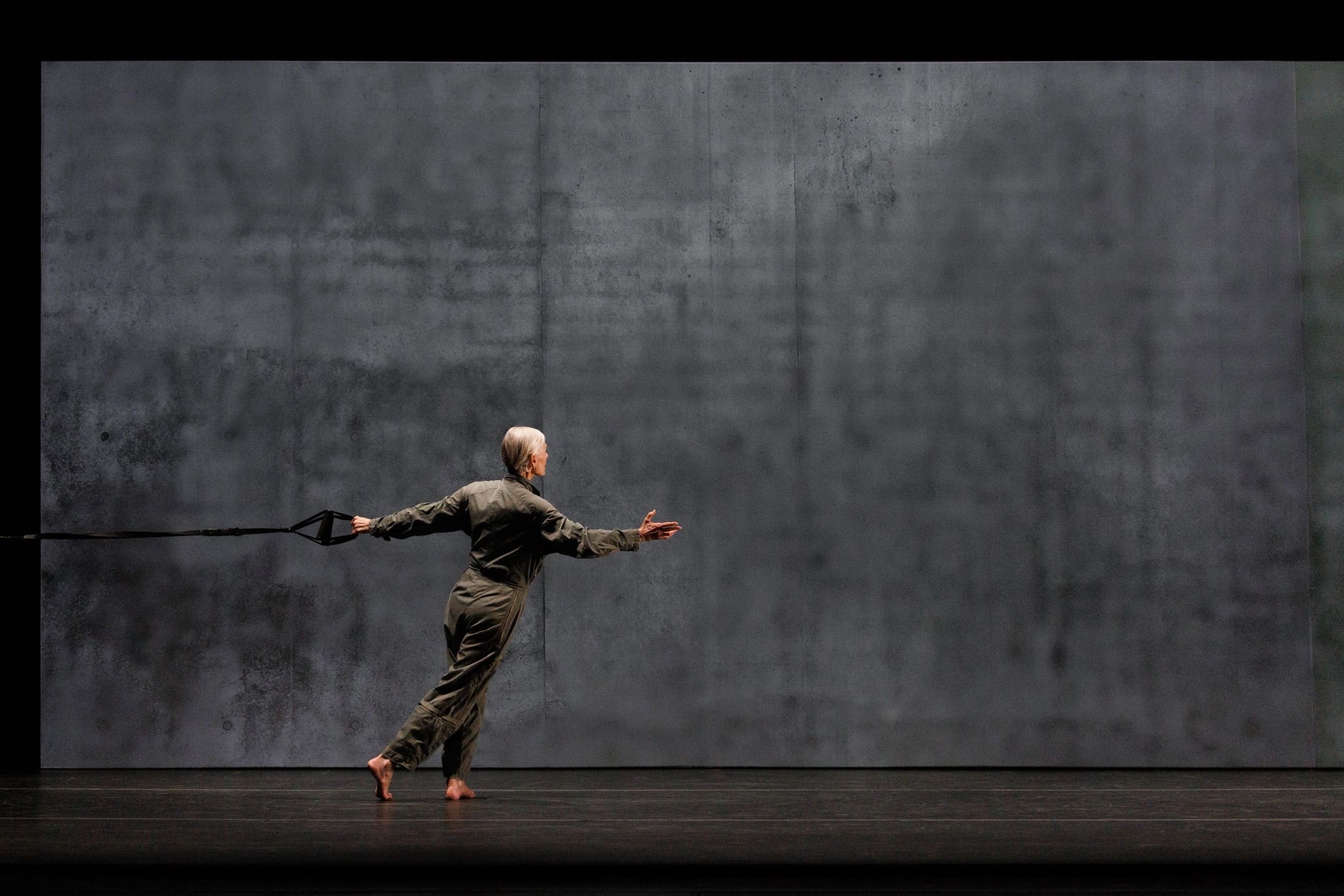
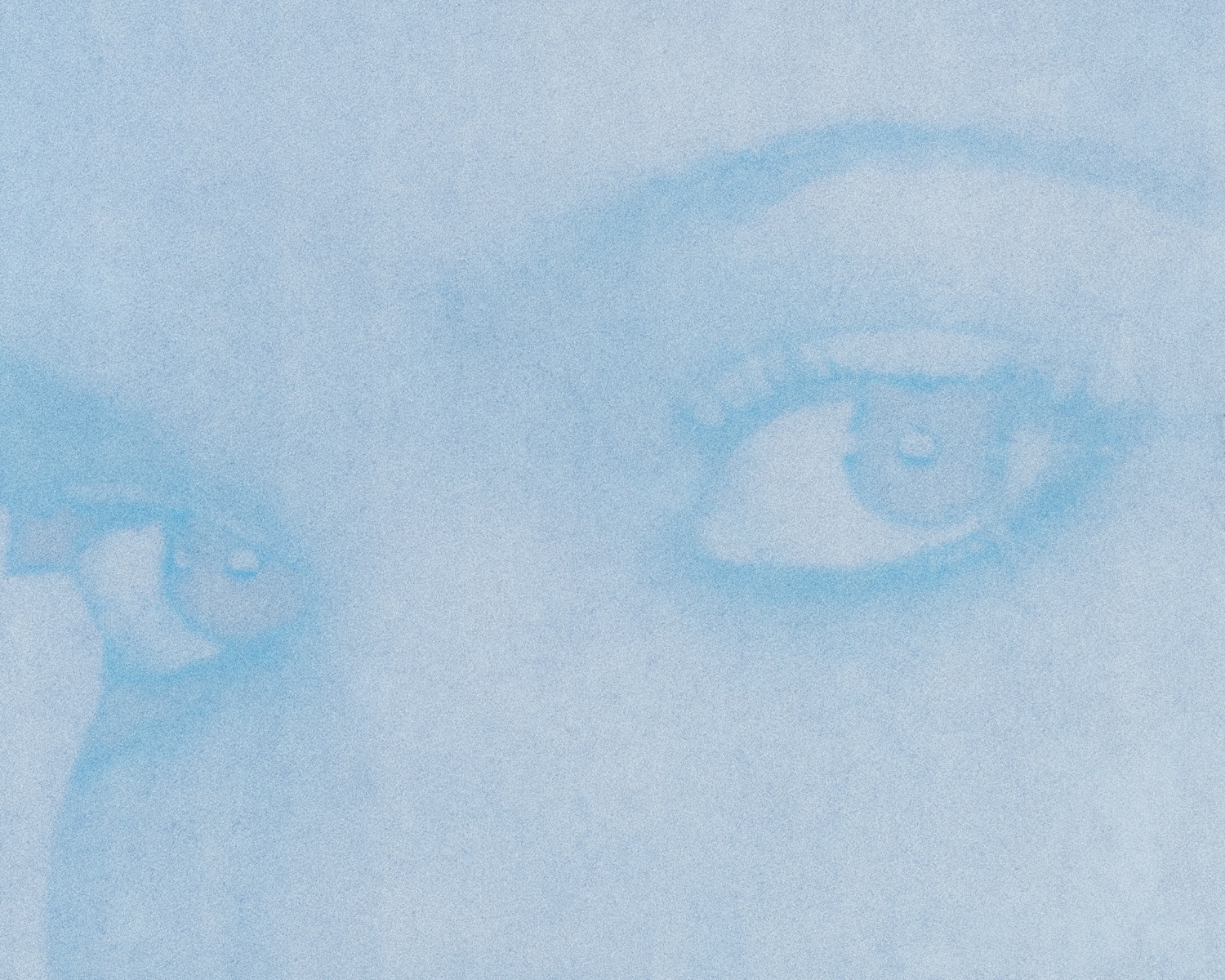
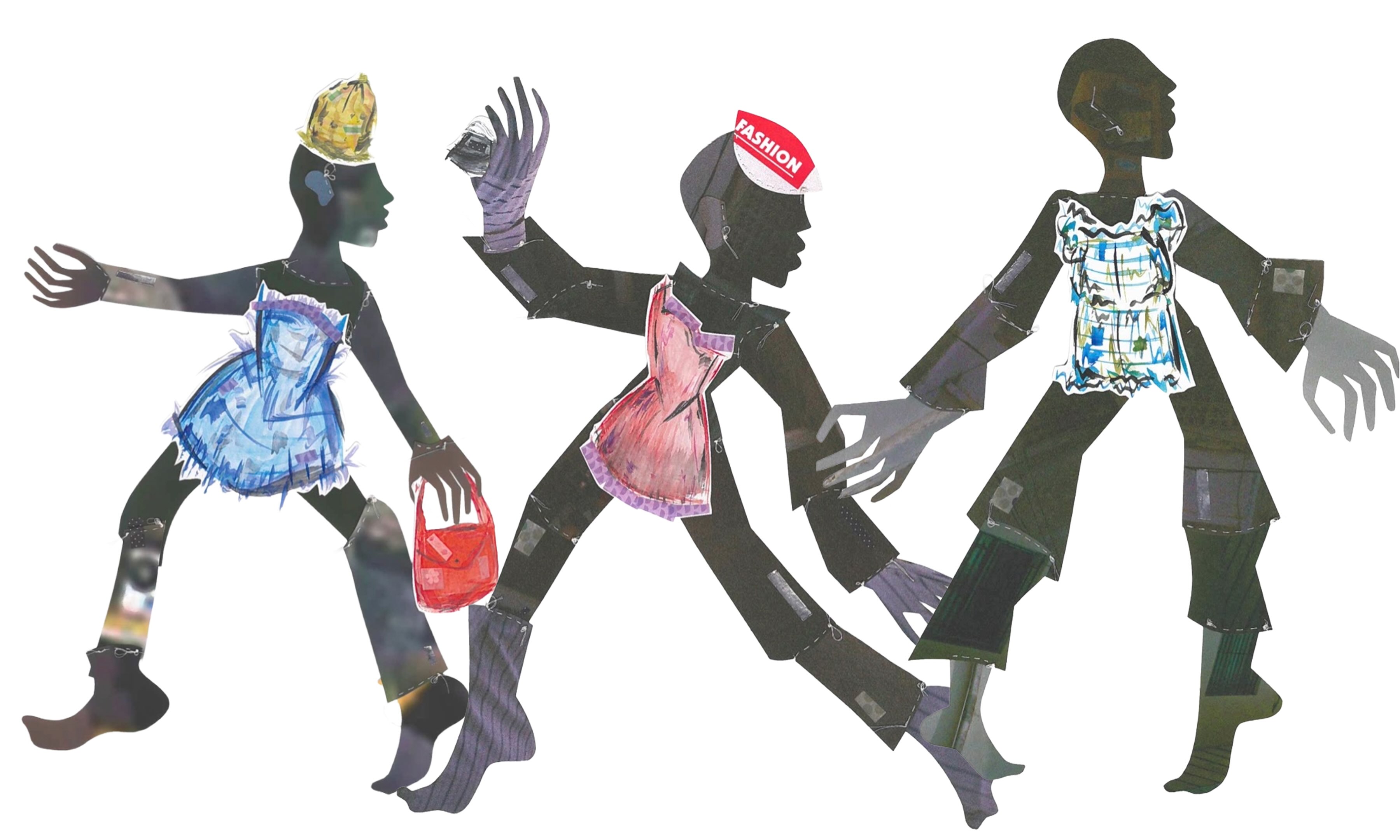
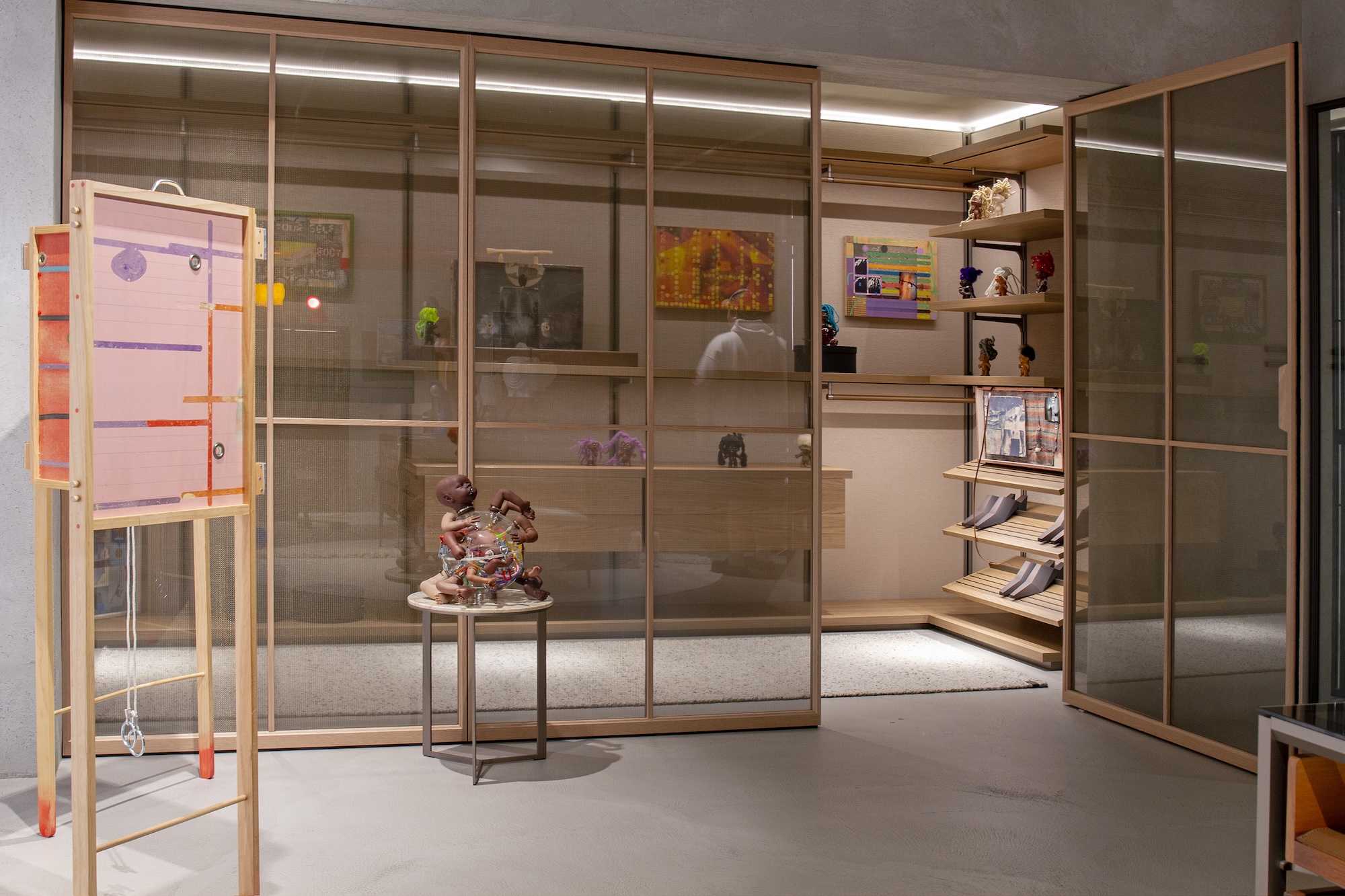
Working Conditions, Residency Unlimited’s 2026 NYC-Based Artist-in-Residence (NYCBAR) exhibition, is on view at Westbeth Gallery (55 Bethune Street) from April 28 to May 17, 2026. The exhibition is curated by Phil Zheng Cai and features the work of Catherine Chen, Ekene Ijeoma, Rehan Miskci, Jiangshengyu Nova Pan, and LuLu Meng.